


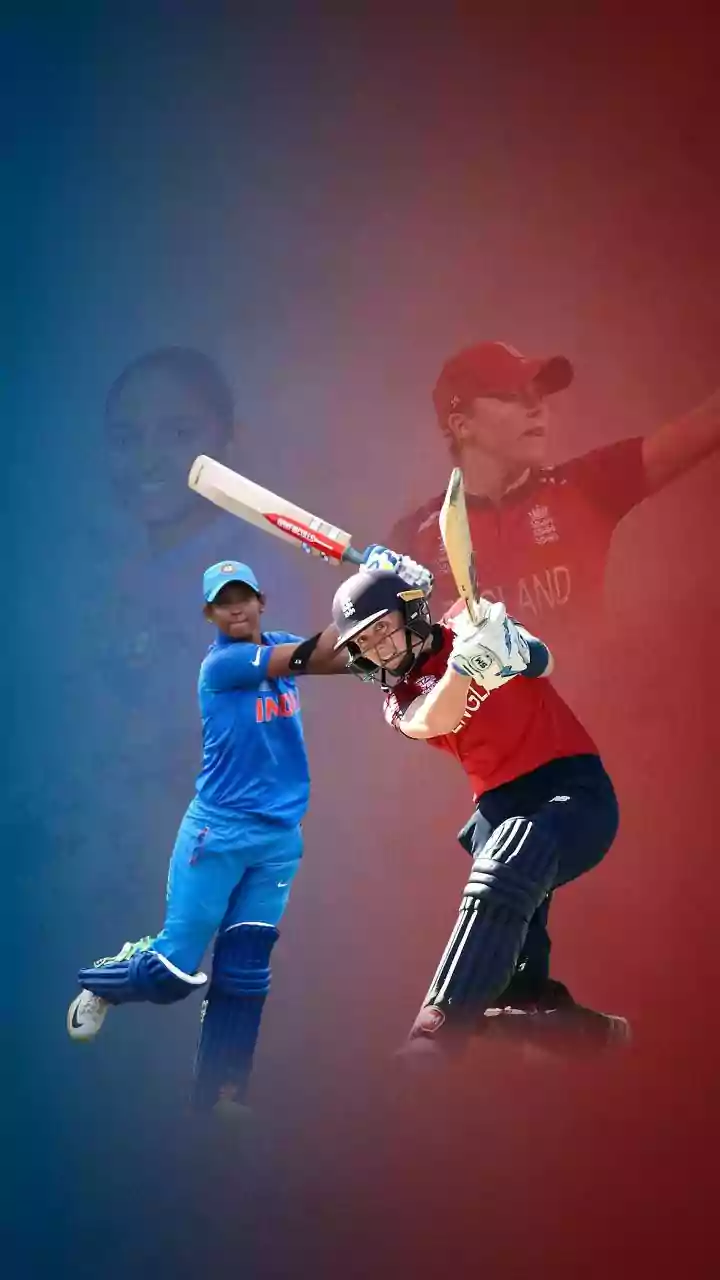




The Colonial Origins
To understand this rivalry, one must travel back in time. Cricket arrived in India with British soldiers and merchants in the 18th century, a leisurely pastime of the colonial elite. For decades, the dynamic was clear: England was the master, and India,
the student. India's first-ever Test match, fittingly, was against its imperial rulers at Lord's in 1932. Though India lost, the match marked the beginning of a long and storied journey. For nearly 20 years, India sought its first Test victory over the English, a pursuit that mirrored a nation's quest for self-determination. That moment finally arrived in 1952 in Chennai, a landmark win that was about more than just cricket; it was a profound statement of a nation coming into its own.
The Turning Point: 1971
If 1952 was the first step, 1971 was the giant leap. Under the captaincy of Ajit Wadekar, India toured England and achieved the unthinkable. They won a Test series in England for the very first time. After two draws, the final Test at The Oval became a part of Indian sporting folklore. Bhagwat Chandrasekhar, the leg-spinner, produced a magical spell, taking 6 for 38 to bowl England out for a paltry 101 in their second innings. Chasing 173 to win, India held its nerve to secure a historic four-wicket victory. This triumph, coming after a series win in the West Indies, gave Indian cricket the unwavering belief that it could conquer the world's best, especially the side that had once been its colonial master.
Modern Duels and Shifting Power
The 21st century has seen the rivalry evolve into a battle of equals. India, now the financial and spiritual epicentre of world cricket, faces an England side that has revolutionised its approach to the game. Memorable encounters are aplenty. The 2002 NatWest Series final at Lord's, where Sourav Ganguly's shirtless celebration from the balcony captured the defiant spirit of a new India, remains iconic. The tied World Cup match in Bengaluru in 2011 was a classic, with both teams scoring 338. More recently, India's thumping 68-run victory over the defending champions in the 2024 T20 World Cup semi-final was sweet revenge for a previous defeat and a powerful statement of intent. These matches are no longer about a student trying to best the master; they are about two powerhouses vying for global supremacy.
A Clash of Styles and Personalities
Great rivalries are built on the shoulders of great players, and this one is no exception. The duels within the duel have often defined a series. Think of Andrew Flintoff's battles with Sourav Ganguly, James Anderson's masterful swing bowling against Virat Kohli's defiant batting, or Yuvraj Singh's six sixes in an over off Stuart Broad in the 2007 T20 World Cup. These personal contests add a layer of human drama to the tactical battle on the field. England's traditional strengths in swing and seam bowling, especially in home conditions, have often tested India's famed batting line-ups. Conversely, India's mastery of spin has frequently bewildered English batsmen on turning subcontinental pitches, creating a fascinating tactical contrast that makes every series unique.