





What is Sumac?
Sumac is a staple spice in Middle Eastern and Mediterranean cuisine, made from the dried and ground berries of the wild sumac shrub. It’s important to note this is not the poisonous plant some might be familiar with. The culinary variety delivers a tart,
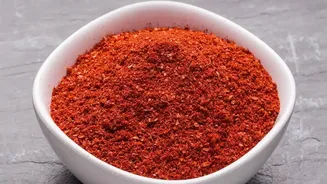
citrus-like flavour that is less sharp than lemon juice but equally refreshing. Its taste is often described as tangy and fruity, with a coarse, deep red-purple powder that also adds beautiful colour to food. For centuries, it has been used to add a pleasant sourness to everything from salads to grilled dishes, and it is a key ingredient in the popular spice blend za'atar.
For Zesty Salad Dressings
One of the easiest ways to incorporate sumac is in salad dressings. It provides a bright, lemony kick without the added liquid of citrus juice, which can sometimes make greens soggy. For a simple vinaigrette, whisk sumac with extra virgin olive oil, a touch of red wine vinegar, salt, and pepper. You can also add a little honey or maple syrup to balance the tartness. Sumac pairs wonderfully with yogurt-based dressings as well; simply mix it into plain yogurt with a squeeze of lemon and a pinch of salt for a creamy, tangy sauce perfect for drizzling over fresh greens or grain bowls. It’s the star flavour in the dressing for fattoush, a classic Levantine bread salad.
In Flavourful Marinades
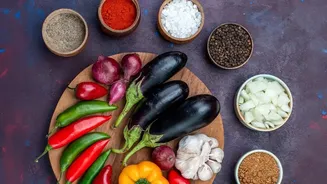
Sumac’s acidity makes it a fantastic component for marinades, helping to tenderize vegetables and infuse them with flavour. For plant-based proteins like tofu, paneer, or seitan, a sumac marinade is transformative. A popular method involves creating a paste with yogurt (or a vegan alternative), crushed garlic, sumac, and chopped fresh herbs like cilantro or parsley. Let the tofu or vegetables sit in this mixture for at least an hour before grilling or roasting. For a non-dairy version, combine sumac with olive oil, herbs, and other spices like cinnamon or paprika to create a flavourful coating for vegetables before they hit the oven. This works particularly well with cauliflower, carrots, zucchini, and eggplant.
As a Versatile Dry Seasoning
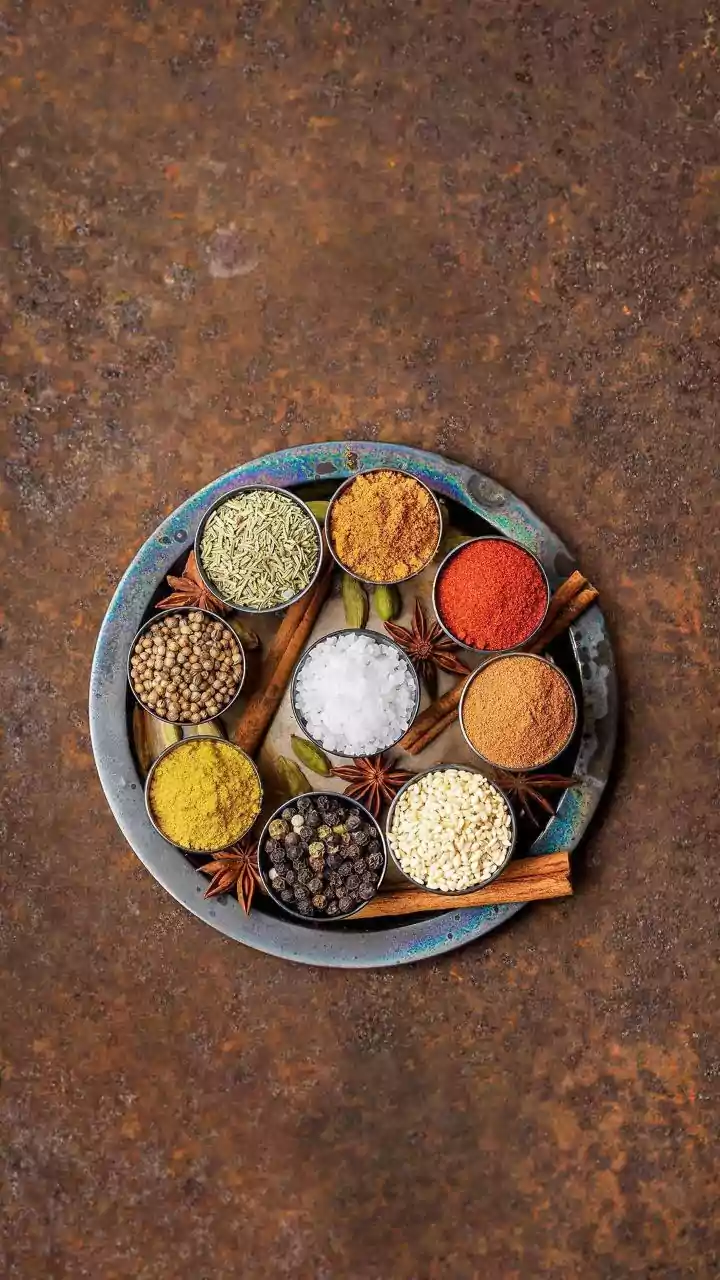
As a dry rub or finishing spice, sumac is incredibly versatile. Before roasting, toss vegetables like carrots, potatoes, or onions with olive oil and a generous sprinkle of sumac for a caramelized, tangy result. Its flavour perfectly complements the natural sweetness that emerges from roasted vegetables. You can also use it as a simple, salt-free seasoning to sprinkle over dishes right before serving. Try it on hummus, avocado toast, popcorn, or even fried eggs to add a surprising pop of brightness. Blending it with other spices like dried thyme and sesame seeds will give you a homemade za'atar blend, perfect for seasoning flatbreads or dips.