





What Are Contrast-Water Showers?
Contrast-water therapy is the practice of alternating between hot and cold water immersion. While athletes have long used dedicated hot tubs and cold plunges, you can achieve similar effects right in your own shower. The method involves switching the water temperature
from hot to cold in cycles. This rapid temperature change creates a unique physiological response intended to speed up recovery, reduce muscle soreness, and combat the lingering fatigue that’s especially common after exercising in hot and humid conditions.
The Science Behind the Shock
The core principle of contrast therapy lies in its effect on your circulatory system. The hot water causes vasodilation, meaning your blood vessels widen, increasing blood flow to the skin and muscles. Conversely, the cold water triggers vasoconstriction, where the blood vessels narrow, restricting blood flow. This cycle of expanding and contracting acts like a 'pump' for your circulatory system. Proponents believe this action helps flush out metabolic byproducts, like lactic acid, from your muscles while delivering fresh, oxygenated blood to aid tissue repair.
Beating Humidity Fatigue Specifically
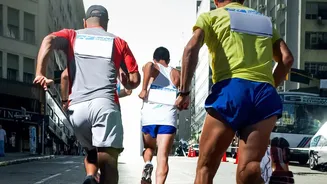
Running in high humidity makes it harder for your body to cool itself through sweat, leading to a higher core body temperature and increased cardiovascular strain. This results in the profound sense of fatigue many Indian runners know well. Contrast showers can help. The 'pumping' action of the blood vessels may aid in reducing inflammation and swelling that can occur after a tough run. Furthermore, some studies suggest the therapy can help decrease the lactic acid in your body, helping you recover from the soreness and fatigue of strenuous exercise. A 2017 meta-analysis found that contrast baths helped team sports players recover from fatigue within 24-48 hours.
Your Step-by-Step Guide
Trying this at home is simple. There's no single, universally agreed-upon protocol, but a common approach is to use a 3:1 or 4:1 ratio of hot to cold. 1. Start your post-run shower with warm or hot water for 3 to 4 minutes. Let your muscles relax. 2. Switch the water to cold for 1 minute. Brace yourself—it will be a shock at first! Focus on your breathing. 3. Repeat this cycle 3 to 5 times. 4. Always end your session on a cold cycle. This helps continue the anti-inflammatory response and can leave you feeling invigorated. For water temperatures, aim for a hot shower that is comfortably warm (around 38-40°C) and a cold shower that is genuinely cold (around 10-15°C), but listen to your body and don't push to extremes that cause pain or distress.
Does It Really Work?
The scientific community is still exploring the full extent of the benefits, but the evidence is promising. A major 2013 meta-analysis concluded that contrast water therapy is superior to passive recovery (simply resting) for reducing delayed onset muscle soreness (DOMS) and recovering muscle strength. While some research suggests that cold water immersion alone can be just as effective for soreness, contrast therapy has been specifically noted for helping reduce overall fatigue. Many athletes report feeling more refreshed and less stiff after a contrast shower, which can be a significant psychological boost for staying consistent with training.
Are There Any Risks?
For most healthy individuals, contrast showers are safe. However, the rapid changes in blood pressure and heart rate mean it's not for everyone. Individuals with heart conditions, high blood pressure, diabetes, or circulatory issues like Raynaud's disease should avoid this practice or consult a doctor first. The primary risk is using water that is either too hot or too cold, which could damage the skin. It is also not recommended if you have open wounds or an active infection.