




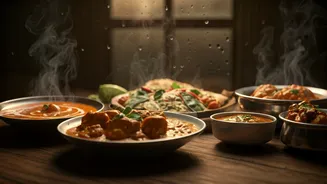


From Meal to Memory
Experiential dining is no longer a niche concept; it's a defining trend in India's culinary landscape. Diners, particularly in metropolitan cities, are looking for immersive environments and multi-sensory engagement that turn a simple dinner into a memorable
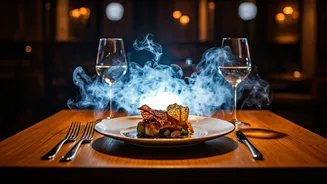
event. It's a fundamental shift from transactional dining—where the focus was solely on the food—to a curated journey that involves ambiance, service, and, most importantly, a compelling narrative. Restaurants are leveraging design, personalised service, and storytelling to stand out in a competitive market, catering to a growing consumer base that values memorable moments over material purchases. This isn't just about theatrics at the table; it's about creating an emotional connection that resonates long after the meal is over.
The Chef as a Modern-Day Storyteller
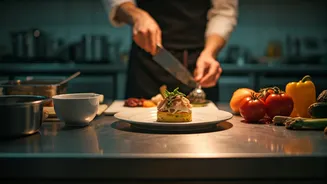
At the heart of this trend is the evolving role of the chef, who is transforming from a cook into a cultural narrator. Chefs like Manish Mehrotra of Indian Accent are reimagining traditional recipes, preserving their cultural essence while presenting them in innovative ways. They are digging into India's vast culinary heritage, reviving forgotten recipes and championing indigenous ingredients. This 'ingredient-first' approach, championed by chefs like Niyati Rao of Mumbai's Ekaa, celebrates India's biodiversity and connects diners to the origin of their food. The plate becomes a canvas where chefs share personal journeys, cultural roots, and creative inspiration, inviting guests to feel the story, not just taste the dish.
A Taste of Heritage and Authenticity
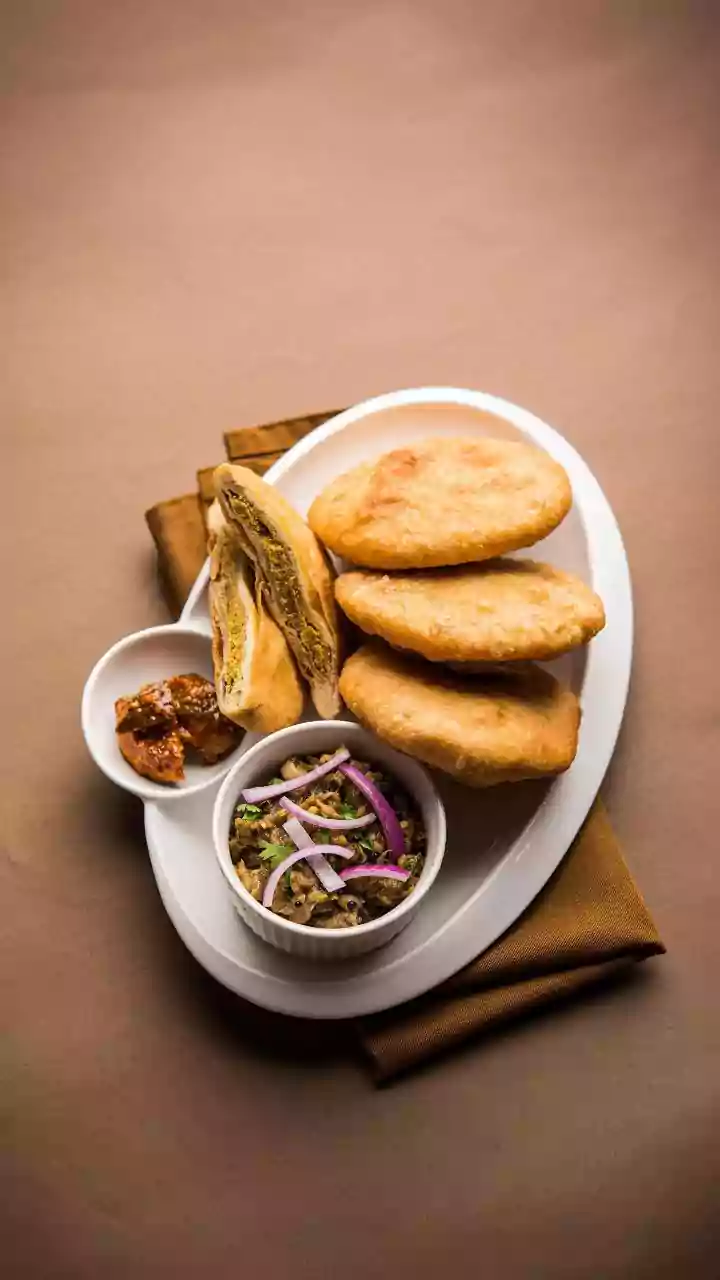
Many restaurants are finding their narrative by looking to the past. The focus is on authenticity, regional cuisines, and the stories behind the dishes. For instance, some establishments craft their entire experience around a specific region or historical era, from the decor to the menu. Sambar Ritual in Gurugram, for example, has built a loyal following by offering an authentic journey through South India's 2,000-year-old culinary traditions. The appeal lies in nostalgia and a desire for grounding in a fast-modernising world. Diners are increasingly curious about the provenance of their food—the local farms, the traditional techniques, and the cultural significance—turning every meal into a discovery.
More Than Just a Marketing Gimmick
While creating 'Instagram-worthy' moments is certainly part of the appeal, the trend runs deeper than social media marketing. Storytelling has become a powerful tool for building a distinct brand identity in a crowded marketplace. By weaving a narrative, restaurants create an emotional bond with guests, which fosters loyalty and encourages repeat visits. It's a strategic response to a market where consumers are seeking authenticity and connection. A recent report highlights this shift, noting that the next wave of growth in India's food industry will be driven by narratives around culture, provenance, and memory.
The Future of Dining is Immersive
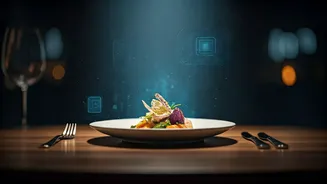
This narrative-driven approach is reshaping the future of dining in India. We are seeing the rise of tasting menus where each course is a chapter in a larger story, such as at Avatara in Dubai, a Michelin-starred vegetarian restaurant that presents dishes as a reincarnation of soulful Indian food. Technology like augmented reality may soon offer even more immersive experiences, allowing diners to explore a dish's history visually. Ultimately, the shift is towards holistic experiences where food, ambiance, and narrative work in harmony to create a powerful and lasting impression. It signals a mature and confident culinary scene, one that is proud to share its rich, diverse stories with the world.