



The Green Wave Arrives
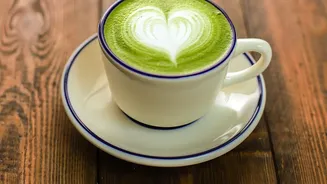
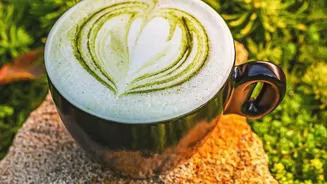
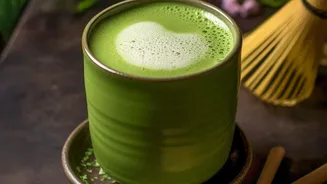
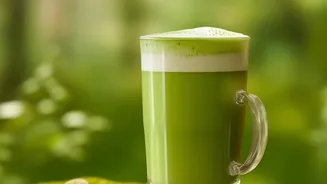
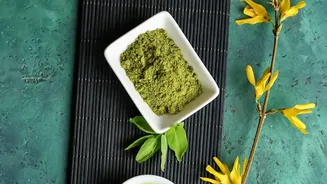
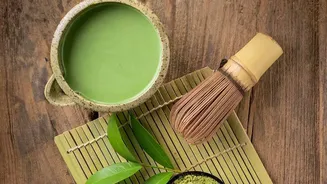
Walk into a chic café in Indiranagar or Koramangala today, and you'll notice a new colour dominating the menu. A vivid, earthy green is being whisked into lattes, blended into smoothies, and even folded into desserts. This is matcha, a finely ground powder
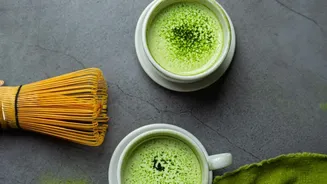
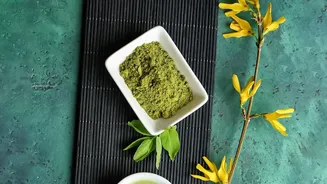
of specially grown and processed green tea leaves, and it has officially arrived in Bengaluru. Unlike traditional green tea where the leaves are steeped and discarded, with matcha, you consume the entire leaf, making it a potent source of nutrients. Once a niche product found only in speciality Japanese restaurants, matcha is now a staple, signalling a significant shift in the city's beverage landscape.
More Than a Health Trend
So, why the sudden surge in popularity? The initial driver is undoubtedly wellness. Matcha is packed with antioxidants, particularly EGCG, which is linked to boosting metabolism and improving focus. It also contains an amino acid called L-theanine, which, when combined with caffeine, provides a state of 'calm alertness'—a sustained energy boost without the jitters or crash associated with coffee. This makes it a compelling alternative for health-conscious millennials and Gen Z consumers. But its appeal goes beyond the physical. The ceremonial nature of its preparation and its vibrant, photogenic quality make it a social media star, fitting perfectly into the aesthetic-driven world of urban café culture.
Coffee's New Companion
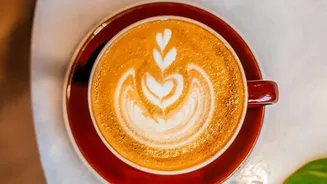
Bengaluru's identity as India's coffee capital is well-earned. From traditional filter coffee spots in Jayanagar to the rise of specialty roasters, coffee is deeply woven into the city's social and professional fabric. The matcha revolution isn't necessarily replacing coffee; instead, it's expanding the definition of café culture. Many third-wave coffee shops that championed artisanal beans were among the first to introduce high-quality matcha, seeing it as a natural extension of their craft beverage ethos. Now, dedicated matcha bars are opening, offering an immersive experience for purists and newcomers alike. It points to a city with an evolving, global palate, one that has room for both the comforting bitterness of an espresso and the earthy sweetness of a matcha latte.
Where to Find the Green Buzz
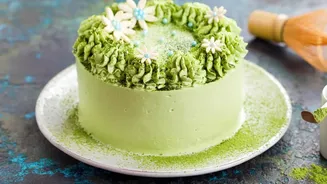
The trend is visible across the city, with certain neighbourhoods becoming veritable matcha hubs. Indiranagar has been dubbed by some as Bengaluru's 'matcha belt', with spots like TEKA, Ela Matcha, and Turtle Matcha offering unique, high-quality experiences. TEKA, run by a Japanese native, even hosts tea ceremonies, offering a slice of authentic culture. Other notable mentions include Sakura Matcha Bar, the city's first fully dedicated matcha café, and Mai Matcha Haus in Koramangala. Even established health cafes like Fresh Pressery and vegetarian restaurants like Burma Burma have embraced the trend, incorporating matcha into everything from cakes to bubble tea.
The Future is Brew-tiful
While the movement is growing rapidly, it's still a premium product. The high cost is attributed to its specialized cultivation process and the fact that high-quality grades are imported from Japan. However, as demand increases, accessibility is improving. D2C brands and cafes are actively educating consumers about the differences between ceremonial and culinary grades, helping them appreciate the nuances of the drink. The rise of matcha isn't just about a beverage; it’s about a lifestyle. It reflects a shift towards wellness, an appreciation for global cultures, and the relentless evolution of a city that is always thirsty for the next new thing.