




Go Beyond Probiotics with Prebiotics
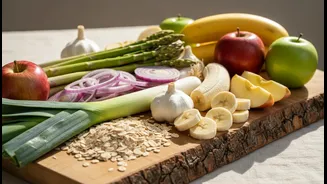
While probiotics introduce good bacteria into your system, prebiotics are the food that helps this good bacteria thrive. They are specific types of fiber that your body can't digest, so they travel to your lower digestive tract where they become a nutrient
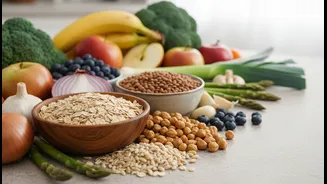
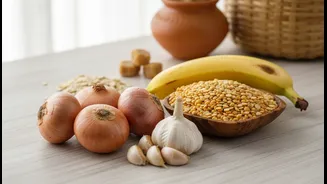
source for healthy gut microbes. Think of it as tending to the garden you already have. Adding prebiotic-rich foods can support digestion, immune health, and more. Excellent sources include onions, garlic, and leeks, which are easy to incorporate into almost any savoury dish. Fruits like slightly unripe bananas and apples also contain these beneficial fibers, making them a great snack for your gut.
Embrace the World of Fermented Foods
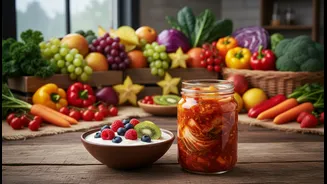
Yoghurt is just one member of the vast family of fermented foods. Fermentation uses microorganisms like yeast and bacteria to preserve food, and in the process, creates a product rich in beneficial probiotics. Kefir, a fermented milk drink, often contains a wider variety of probiotic strains than yoghurt and is sometimes better tolerated by those with lactose sensitivity. Beyond dairy, there is a world of options. Sauerkraut and kimchi, both made from fermented cabbage, are tangy additions that can boost the live cultures in your diet. Miso and tempeh, made from fermented soybeans, are staples in Asian cuisine that bring probiotic benefits and are excellent plant-based protein sources.
Fill Up on Fibre-Rich Champions
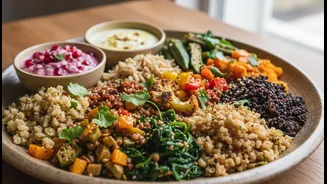
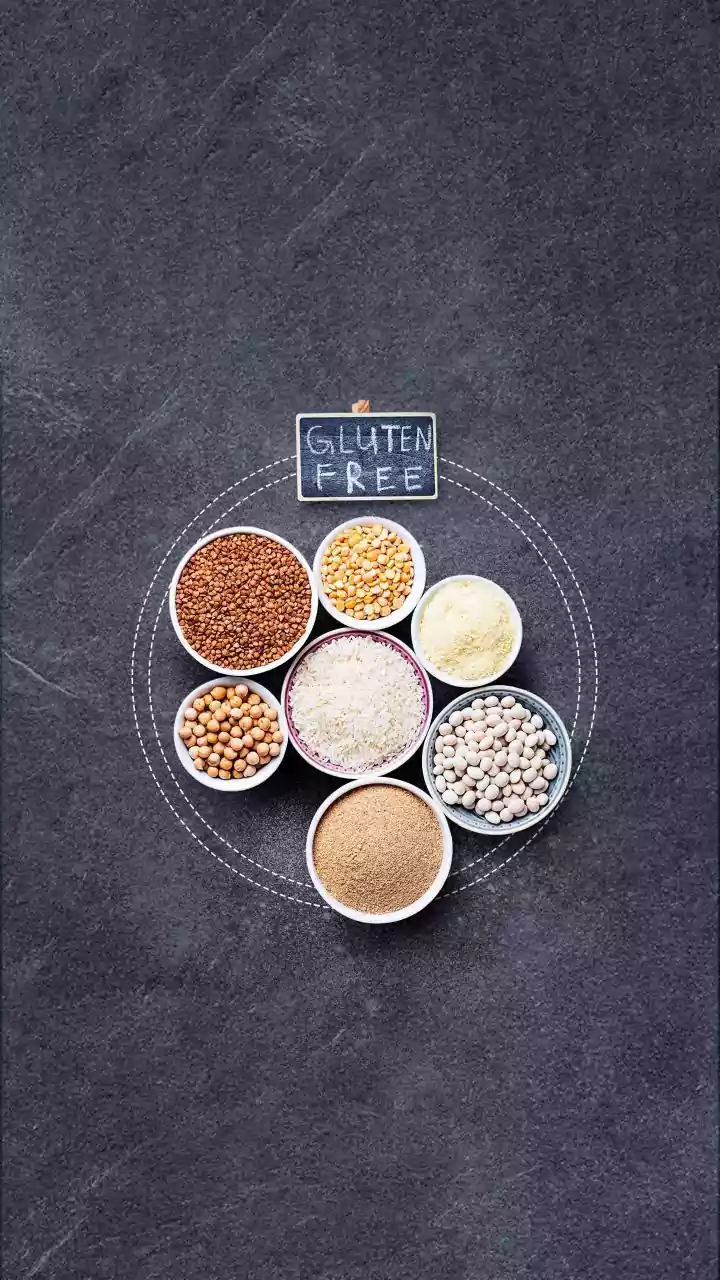
Dietary fibre is crucial for a healthy digestive system. It's broadly categorized into soluble and insoluble fiber. Soluble fiber dissolves in water to form a gel-like substance that can help stabilize blood sugar, while insoluble fiber adds bulk to stool, promoting regularity. A healthy gut needs both. Whole grains are a fantastic source. Oats, for example, contain a specific soluble fiber called beta-glucan, which feeds beneficial bacteria. Legumes like lentils, chickpeas, and beans are fiber powerhouses, packed with resistant starch that your gut microbes love to ferment. If you're new to a high-fiber diet, it's best to increase your intake gradually to allow your system to adapt.
Don't Forget Fruits, Vegetables, and Seeds
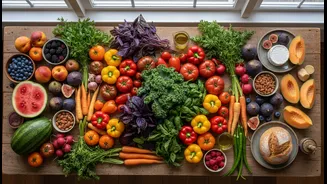
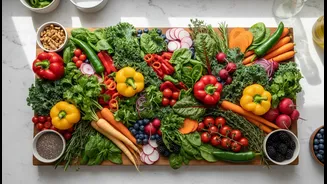
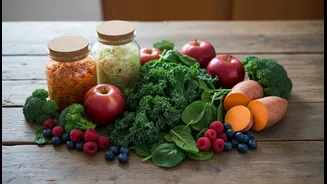
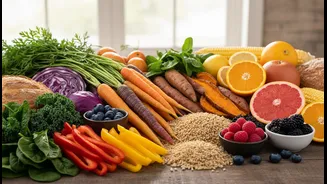
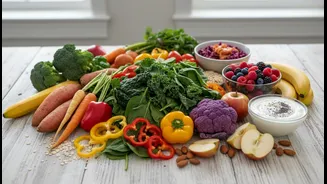
Eating a wide variety of plant foods is one of the best strategies for a diverse microbiome. The different colours in fruits and vegetables often signify different nutrients and types of fiber. Berries, for instance, are high in fiber and antioxidants. Leafy greens like spinach and collard greens, and cruciferous vegetables like broccoli, provide essential fiber and compounds that gut bacteria can convert into anti-inflammatory substances. Nuts and seeds are another easy win. Flaxseeds and chia seeds are excellent sources of fiber and can easily be added to smoothies, oatmeal, or baked goods. Even a handful of almonds provides a good dose of fiber and beneficial fatty acids.
Power Up with Polyphenols
Polyphenols are natural compounds found in plant foods that act as antioxidants and have a prebiotic effect. They encourage the growth of beneficial bacteria like Bifidobacterium and Lactobacillus while helping to inhibit less desirable strains. Because most polyphenols are not absorbed in the early stages of digestion, they reach the colon where they can be metabolized by your gut microbiota, contributing to a healthier gut environment. You can find them in a wonderful variety of colourful foods and drinks. Berries, dark chocolate, tea, coffee, and even olive oil are rich in these beneficial compounds. So, that cup of green tea or square of dark chocolate can be a treat for your gut as well as your taste buds.