


A Lifeline Carved from Water
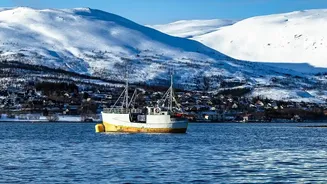
In a land of immense glaciers and virtually no roads connecting its towns, the sea is the main street. During the fleeting summer months, from roughly May to September, the coastal waters of West Greenland become navigable, transforming into essential
corridors for daily life. Ferries operated by companies like Arctic Umiaq Line and Disko Line are not tourist novelties but fundamental public transport. They are the buses and trains of the Arctic, carrying residents between settlements for family visits, medical appointments, and the simple act of stocking up on supplies. When a ferry like the Sarfaq Ittuk pulls into a small port, the dock buzzes with an energy of reunion and farewell, a scene that repeats along the coast as people and goods move in a rhythm dictated by the seasons.
The Summer Window of Opportunity
The phrase 'clear summer skies' in Greenland means much more than a pleasant forecast. It signifies the annual window when the otherwise impassable sea ice has retreated enough to allow safe passage. Calm seas and extended daylight under the midnight sun make these journeys not only possible but profoundly beautiful. This contrasts sharply with the harsh, dark winter, when sea ice can choke the fjords and unpredictable weather grounds most forms of transport, isolating communities for long stretches. While helicopter services provide a year-round link for some smaller or more remote settlements, boats are the workhorses of the summer, moving more people and cargo more affordably than any other option. The reliability of this summer service is a cornerstone of the Greenlandic economy and social fabric.
A Journey Through a Sculpted Landscape
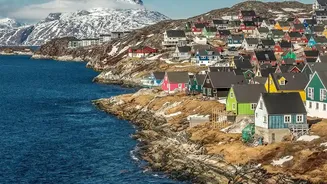
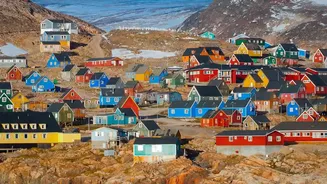
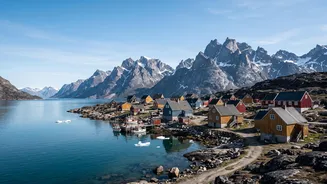
To travel by boat in Greenland is to witness a world in constant, slow-motion flux. These transfers are front-row seats to one of the planet's most dramatic landscapes. Passengers watch as monolithic icebergs, calved from ancient glaciers, drift silently by. These freshwater giants come in every conceivable shape and size, their surfaces glistening with shades of white and deep blue. It’s common for a ferry captain to navigate a careful path through a maze of 'growlers' and larger floes, a testament to their skill in these challenging waters. The scenery is more than just ice; it’s the sight of humpback or minke whales breaching the surface, seabirds following in the boat's wake, and the approach to another colourful village nestled at the foot of dramatic, jagged peaks.
More Than Just Transportation
For the few thousand tourists who board these ferries each year, the journey is an authentic glimpse into Greenlandic life that a cruise ship often misses. Onboard, the atmosphere is functional and friendly, a microcosm of coastal society. Conversations strike up easily in the cafeteria or out on the deck, where locals and visitors alike stand mesmerized by the passing scenery. You might share a table with a student heading home for the summer, a hunter from a small settlement, or a family traveling to the capital, Nuuk. This shared experience, against a backdrop of awe-inspiring nature, blurs the line between commuting and adventure. It is a slow, meditative form of travel that connects you not just to the place, but to the people who call it home.