




The Global Gut-Health Obsession
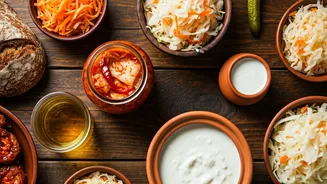
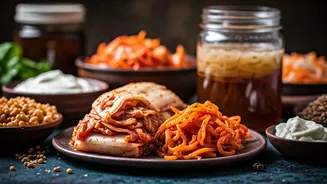
From kimchi and kefir to artisanal sourdough bread, fermented foods are having a major moment. Hailed as 'probiotic powerhouses,' they are celebrated for their ability to improve gut health, boost immunity, and enhance the nutritional value of food. Wellness
influencers and celebrity chefs alike are championing this method of food preparation, leading to a boom in home-brewing kits for kombucha and a resurgence in pickled everything. The global narrative presents fermentation as a recent discovery, a cutting-edge bio-hack for modern living. But for millions in India, this isn't a trend; it's just Tuesday.
An Everyday Magic in Indian Kitchens
Long before the term 'gut microbiome' entered our vocabulary, Indian households were mastering the art of fermentation. It wasn't a fad; it was a fundamental culinary technique driven by necessity, flavour, and an intuitive understanding of health. The most iconic examples are, of course, the batters for idli and dosa. The simple act of soaking rice and lentils, grinding them, and allowing the mixture to ferment overnight transforms it into a light, digestible, and nutrient-rich meal. This magical process, powered by wild yeasts in the air, has been the cornerstone of South Indian breakfast for generations. Similarly, in Gujarat, the batter for Khaman and Dhokla undergoes fermentation to achieve its signature spongy texture and tangy flavour.
The Science Our Ancestors Knew
Our grandmothers may not have used words like 'probiotics' or 'bioavailability,' but they understood the principles implicitly. Fermentation does more than just preserve food and create interesting flavours. The process breaks down complex compounds, making nutrients easier for the body to absorb. For example, fermenting grains reduces phytic acid, an anti-nutrient that can block the absorption of iron, zinc, and calcium. The live bacteria and yeasts produced during fermentation—the good-for-you probiotics—colonise the gut, aiding digestion and strengthening the body's natural defences. This ancient kitchen wisdom was, in effect, a highly sophisticated form of food science, passed down not in textbooks but through hands-on practice.
Beyond the Breakfast Table
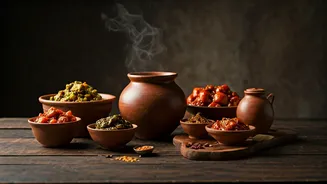
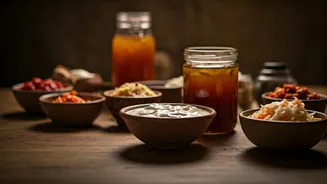
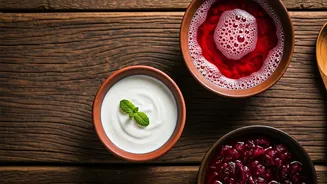
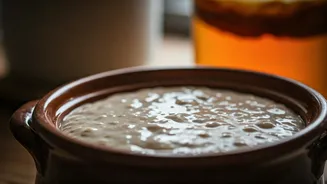
India’s fermentation traditions extend far beyond batters. Think of the humble 'achar' or pickle. The traditional method of preserving vegetables and fruits like mangoes, lemons, and chillies in salt and spices relies on lacto-fermentation. This not only keeps them edible for months but also creates a condiment teeming with beneficial bacteria. Then there are the fermented beverages. Gajar ki Kanji, a popular North Indian drink made during Holi, is a delicious fermented concoction of black carrots, mustard seeds, and spices. In many coastal and tribal communities, fermented drinks made from rice, millet, or palm sap are an integral part of social and cultural life. Each region has its own unique ferments, from the 'gundruk' (fermented leafy greens) of the Northeast to the 'koozh' (fermented millet porridge) of Tamil Nadu.
From Kitchen Wisdom to Global Stage
As the world embraces fermentation, it's really just catching up to what has been common knowledge in India for millennia. The modern wellness movement is, in many ways, rediscovering and rebranding the principles of traditional food systems. While it's exciting to see these practices gain global appreciation, it's also a reminder to acknowledge their origins. The next time you pay a premium for a bottle of kombucha or a loaf of sourdough, remember the idli batter sitting on a countertop in Chennai or the jar of mango pickle fermenting in a sun-drenched courtyard in Punjab. This isn't a new-age health hack; it's a timeless tradition, a testament to the profound wisdom embedded in our culinary heritage.