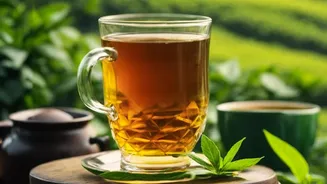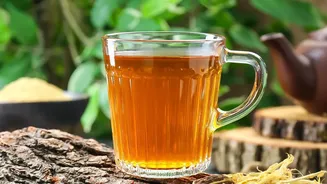






A Tradition Steeped in the Himalayas
High in the mountains of Sikkim, where clouds weave through valleys, Indigenous communities like the Lepcha and Bhutia have for centuries cultivated a deep understanding of the local flora. This remote and biodiverse region is a natural pharmacy, home
to over 420 species of medicinal plants. For generations, this ethnobotanical knowledge has been passed down, forming the basis of traditional healing systems that are intertwined with daily life. These ancient practices include the creation of unique herbal infusions, beverages that are not just for refreshment but are central to socio-cultural and religious activities. Far from the world of mass-produced tea bags, these Himalayan brews are a direct connection to the land and the ancestral wisdom of its people.
The Art of Smoking Herbs
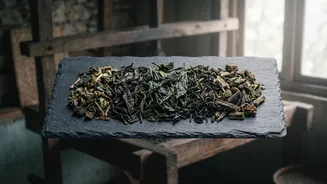
When we hear 'smoked tea', many think of the Chinese Lapsang Souchong, where tea leaves are dried over a pinewood fire. The Himalayan practice, however, is a distinct tradition applied to a variety of local herbs, not just the tea plant, Camellia sinensis. The smoking process is a traditional method of preservation. After harvesting, local herbs are often placed in bamboo baskets and dried over a gentle, smoky fire in the hearth. This not only removes moisture, protecting the plants from the damp monsoon air but also infuses them with a subtle, earthy aroma. This technique is less about creating a powerful smoky flavour and more about preserving the herbs' integrity and adding a layer of complexity that speaks to a life lived in close harmony with nature's cycles.
The Healing Botanicals of Sikkim
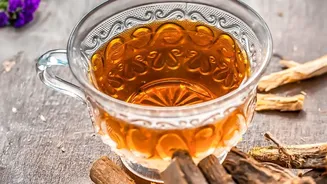
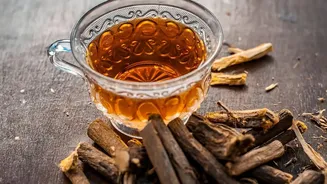
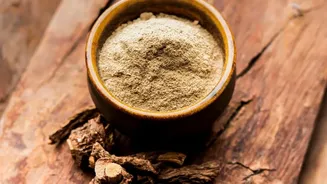
The power of these teas lies in the plants themselves. One of the most celebrated is the Rhododendron, known locally as 'Buransh'. The vibrant flowers are harvested and dried to create a tea traditionally used to help with digestion, respiratory issues, and inflammation. Rhododendron is rich in flavonoids and Vitamin C, a known antioxidant. Other plants like Swertia chirata (Chirato) are used for liver and fever support, while Acorus calamus is traditionally employed for coughs and to enhance memory. Many of these plants are considered 'Rasayana' in Ayurvedic traditions, herbs believed to improve overall well-being, boost vitality, and support the body’s resilience.
A Natural Boost for Modern Wellness
While the headline's claim of 'rich natural immunity protection' is strong, the traditional use and botanical properties of these herbs point towards supporting the body’s wellness. The high antioxidant content found in plants like rhododendron helps the body combat oxidative stress from free radicals. Many of the herbs have anti-inflammatory and antimicrobial properties, according to traditional knowledge and some scientific studies. For example, certain black tea varieties from Sikkim have shown significant anti-inflammatory activity in studies. Rather than a magic bullet, these teas are viewed in traditional systems as a gentle, consistent way to support the body's natural defense systems, aid digestion, and promote a sense of calm and balance.