


Prep and Cross-Contamination
The foundation of safe batch cooking is preventing cross-contamination from the start. When preparing multiple meals at once, the risk of spreading bacteria from one ingredient to another increases. The most critical rule is to keep raw meat, poultry,
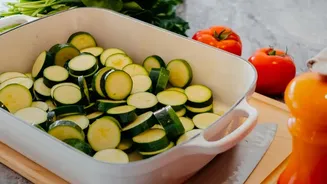
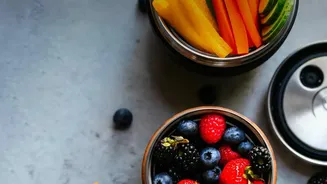
and seafood separate from ready-to-eat foods like fruits and vegetables. Use separate cutting boards—one for raw proteins and another for produce. If you only have one, wash it thoroughly with hot, soapy water between uses. Always wash your hands with warm, soapy water for at least 20 seconds after handling raw meat and before touching anything else. It's also wise to store raw meat in sealed containers on the bottom shelf of your refrigerator to prevent juices from dripping onto other foods.
The Cooling Challenge
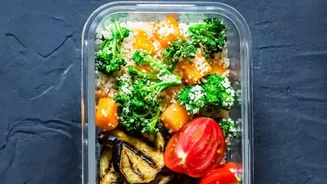
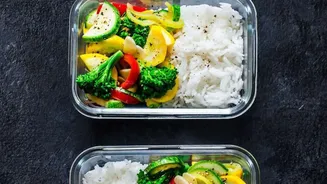
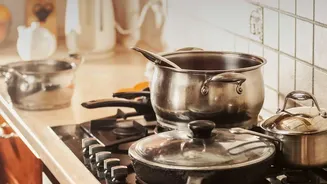
One of the most overlooked dangers in batch cooking is improper cooling. Bacteria multiply rapidly in the 'Temperature Danger Zone', which is between 40°F (4°C) and 140°F (60°C). A large, hot pot of soup or curry left on the counter will spend hours in this zone. Never place a large, hot container directly into the refrigerator, as it can raise the internal temperature of the appliance and put other foods at risk. The key is to cool food quickly. The safest method is to divide large quantities into smaller, shallow containers no more than two inches deep. This increases the surface area and allows heat to escape faster. You can also place the containers in an ice water bath and stir occasionally to speed up the process. Food should cool from 140°F (60°C) to 70°F (21°C) within two hours, and then to 41°F (5°C) or below within the next four hours.
Smart Storage and Labeling
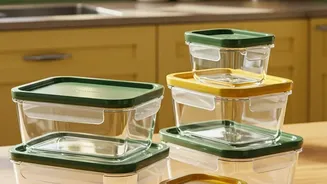
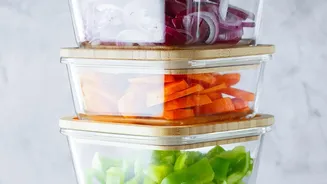
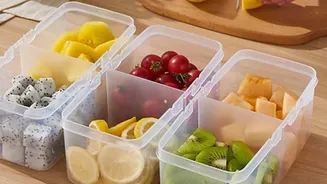
Once cooled, proper storage is essential. Use airtight containers to prevent bacteria from spreading and to maintain food quality. It’s crucial to label every container with the name of the dish and the date it was prepared. This simple step eliminates guesswork about what's inside and how long it has been stored. As a general rule, most cooked leftovers can be safely stored in the refrigerator for 3 to 4 days. For longer storage, the freezer is your best option. While freezing keeps food safe indefinitely from a bacterial standpoint, quality can decline over time. Most cooked dishes will maintain good quality for 3 to 4 months in the freezer. Always thaw frozen food in the refrigerator, in cold water, or in the microwave—never at room temperature.
Reheating for Safety
Reheating isn't just about making food palatable; it's the final safety checkpoint. All leftovers should be reheated to an internal temperature of 165°F (74°C) to kill any bacteria that may have developed during storage. Use a food thermometer to be sure, checking the temperature in the thickest part of the food. When using a microwave, cover the food and stir it partway through to ensure there are no cold spots. Soups, sauces, and gravies should be brought to a rolling boil. It's best practice to only reheat the portion you plan to eat. Repeatedly cooling and reheating the entire batch degrades the quality and increases the risk of bacterial growth.