






Why Humidity is the Kitchen’s Enemy
During the monsoon season, relative humidity in India can soar to between 70% and 90%. This abundance of moisture in the air isn't just uncomfortable; it's a primary cause of kitchen woes. Dry ingredients like flour, sugar, and spices are hygroscopic,
meaning they readily absorb moisture from their surroundings. This leads to clumping, loss of texture, and creates an ideal environment for mould and pests to thrive. This is why a perfectly fine bag of flour might develop a musty smell or your salt shaker refuses to cooperate. Understanding this basic science is the first step in protecting your kitchen supplies.
Protecting Your Flour and Grains
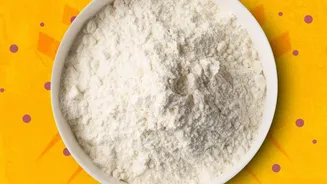
Flour is particularly susceptible to the effects of high humidity. Moisture absorption can not only make it clumpy but also affect your baking results. The best defence is proper storage. Always transfer flour from its paper bag into a clean, completely dry, airtight container. Glass, steel, or food-grade plastic jars with secure lids are excellent choices. Before filling, ensure the container is bone-dry, as even a single drop of water can spoil the contents. For added protection, you can place a bay leaf or a few cloves inside the container, which act as natural pest deterrents. If you have the space, storing flours—especially whole grain and millet varieties which spoil faster—in the refrigerator can significantly extend their life during humid months.
Keeping Leaveners Active and Dry
Baking powder, baking soda, and yeast are the magical ingredients that give your cakes and breads their lift, but they are highly sensitive to moisture. When exposed to humidity, these chemical leaveners can react prematurely or lose their potency, resulting in flat, dense baked goods. Like flour, they must be stored in airtight containers in a cool, dark place away from the stove or sink. Never use a wet spoon to scoop out baking powder or soda. It is a good practice to test their freshness before use: add a little baking soda to vinegar or baking powder to hot water. If they bubble vigorously, they are still active and ready for your recipe. For yeast, keep it sealed and refrigerated to maintain its effectiveness.
Caring for Your Kitchen Tools
Humidity doesn't just attack ingredients; it also damages your tools. Metal knives, pans, and graters can develop rust, while wooden utensils and chopping boards can warp, crack, or grow mould. For metal tools, the key is to keep them dry. After washing, wipe them down immediately with a dry cloth instead of letting them air-dry. Applying a very thin layer of cooking oil can provide a protective barrier against rust. For wooden tools, never let them soak in water. Wash them by hand and dry them thoroughly with a towel right away. Storing them upright in a utensil holder with good air circulation is far better than placing them in a damp drawer. Proper airflow is crucial to prevent moisture from getting trapped.
General Tips for a Drier Kitchen
Beyond specific ingredients and tools, you can lower the overall humidity in your kitchen. Use your exhaust fan every time you cook, especially when boiling water or making dal, to pull steam out of the room. On dry days, open windows for at least 15-20 minutes to improve air circulation. Regularly wipe down countertops, especially around the sink, to prevent standing water, which can contribute to both mould growth and ambient humidity. Consider purchasing smaller packs of spices and flours during the monsoon to ensure you use them up before they have a chance to spoil. Simple habits like these make a significant difference in maintaining a healthy, functional kitchen throughout the rainy season.