







More Than Just a Medical Device
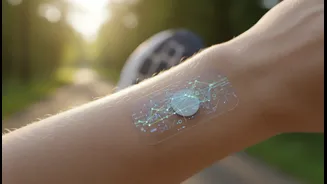
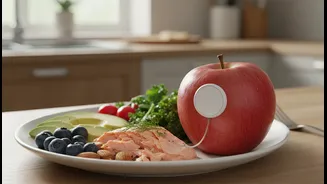
You may have seen them on the arms of athletes or wellness influencers: a small, discreet patch, usually white and circular. This is a continuous glucose monitor, or CGM. Traditionally used by people with diabetes to manage their condition, these devices
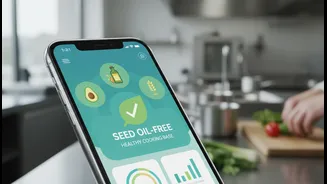
are now being adopted by a growing number of health-conscious individuals. Instead of requiring inconvenient finger pricks, a CGM uses a tiny, painless sensor inserted just under the skin to measure glucose levels in the body's interstitial fluid around the clock. This data is then sent to a smartphone app, providing a continuous stream of information about how your body’s blood sugar responds to your lifestyle. In India, where millions are at risk for metabolic diseases like diabetes, this technology is gaining traction as a tool for proactive health management.
Your Body's Live Reaction to Food
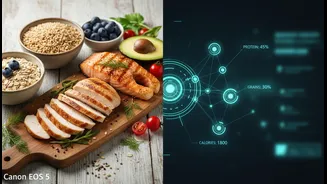
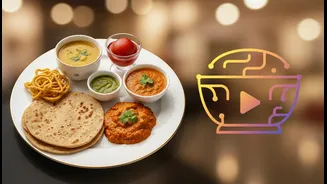
The core appeal of a CGM for someone without diabetes is the power of personalised insight. It provides a live look at your unique metabolic response to what you eat. You might discover that a seemingly innocent bowl of poha or even certain fruits cause a sharper glucose spike for you than for a friend. Conversely, you can see in real-time how adding protein or fibre—like having eggs with your toast—can help flatten that curve, leading to more stable and sustained energy. This bio-feedback loop is incredibly powerful. It transforms abstract nutritional advice into a concrete, personal experience, showing you exactly how your body processes that plate of biryani, that mid-afternoon samosa, or your morning cup of chai.
The Surprising Insights People Are Gaining
Users are often surprised by what they learn. It's not just about 'good' and 'bad' foods. Many discover that the order in which they eat matters; having a salad or vegetables before a carbohydrate-heavy main can significantly blunt the glucose spike. Another common finding is the impact of factors beyond food. A poor night's sleep or a stressful day at work can lead to higher glucose levels, even if your diet hasn't changed. The timing of meals also plays a crucial role, with many users noticing that a late-night dinner can result in elevated blood sugar the next morning. These insights help people connect the dots between their energy levels, mood, cravings, and the data on their screen, empowering them to make small, effective adjustments.
A New Focus on Metabolic Fitness
This trend is part of a larger shift towards 'metabolic fitness'. The idea is to move from a reactive approach—treating diseases once they appear—to a proactive one focused on optimising health and preventing problems. Companies in India like Ultrahuman and HealthifyMe are at the forefront, marketing CGMs as tools to improve energy, manage weight, and enhance overall well-being. By keeping glucose levels relatively stable, the thinking goes, one can avoid the energy crashes that follow sharp spikes, reduce cravings, and lower the long-term risk of developing conditions like type 2 diabetes and insulin resistance. For many, it’s less about dieting and more about understanding their body's fundamental operating system.
What Do the Experts Say?
While the technology is promising, health experts in India offer a balanced perspective. They agree that CGMs can be a fantastic educational tool, fostering a deeper understanding of nutrition and motivating healthier choices. However, they also caution against potential downsides. A major concern is the misinterpretation of data without professional context. A rise in glucose after a meal is a normal physiological process, but seeing this 'spike' can cause unnecessary anxiety and lead to overly restrictive diets. There's also the risk of 'data fatigue' from constant alerts and notifications. Furthermore, the cost can be a significant barrier for many, making it a wellness luxury rather than an accessible tool for all. Most doctors stress that while CGMs provide valuable data, that information is most effective when interpreted with guidance from a qualified healthcare provider.