






The Gourd Family: Nature’s Hydrators
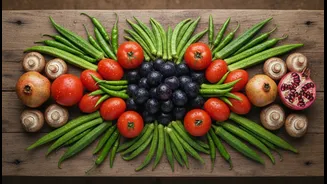
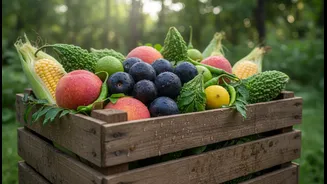
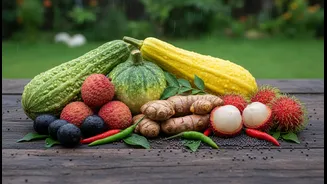
Bottle gourd (lauki), ridge gourd (turai), and pointed gourd (parwal) are stars of the monsoon kitchen. These vegetables are incredibly hydrating, with a water content of over 90%, which is essential during humid weather. They are also light on the stomach
and easy to digest, a significant benefit as the digestive system can become sluggish during the rains. Gourds are packed with fibre, which aids regular bowel movements and can help with constipation. Pointed gourd, in particular, is noted for its ability to purify the blood and boost immunity, thanks to its rich content of Vitamin C and A.
Jamun: The Purple Powerhouse
This deep purple fruit, also known as Java plum, is a true monsoon specialty. Jamun is celebrated for its numerous health benefits, making it more than just a seasonal treat. It's an excellent source of iron, Vitamin C, and antioxidants. The iron content helps combat the fatigue and low energy that can be common during this season. Traditionally, jamun is known to help regulate blood sugar levels, making it a valuable fruit for many. Its availability is fleeting, typically from June to August, so it's best to enjoy it while you can.
Bitter Gourd: The Immunity Builder
While its bitter taste can be divisive, Karela is a vegetable traditionally valued in Indian diets, especially during the monsoon. It is loaded with Vitamin C and iron. Ayurvedic tradition considers it particularly helpful for managing the seasonal transition and supporting digestive health. The humidity of the monsoon can increase the risk of infections, and incorporating immunity-supporting vegetables like bitter gourd can be a wise choice to help your body stay resilient. Stir-frying it with onions and spices can help balance its strong flavour.
Pears and Plums: Sweet and Protective
Pears (Nashpati) and plums (Aloo Bukhara) are two other fruits that peak during the rainy season. Pears are fantastic for digestive health due to their high fibre content, which is beneficial when digestion slows down in the humidity. Plums are tart, juicy, and packed with antioxidants and Vitamin C. Both fruits provide essential nutrients that support the immune system. Pears contain copper, which helps immune cells function, while the antioxidants in plums help protect the body from cellular damage.
Leafy Greens: To Be Eaten with Care
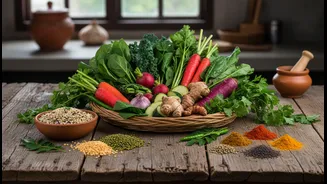
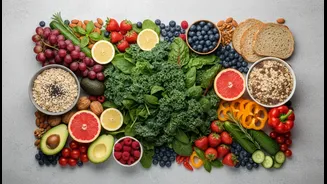
Leafy greens like spinach (palak) and fenugreek (methi) are available and nutritious, offering iron, folate, and Vitamins A and C. However, the monsoon is also a time when these vegetables can carry more dirt and germs. It is crucial to wash them thoroughly. Traditional wisdom and modern nutrition both advise cooking leafy greens during the monsoon rather than eating them raw in salads. Cooking helps eliminate potential pathogens. Including them in cooked dishes like dal, sabjis, or khichdi is a safe and nourishing way to enjoy their benefits.
Corn on the Cob: The Ultimate Monsoon Snack
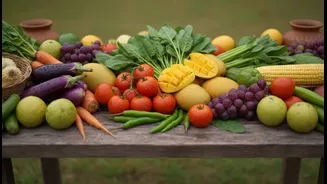
The sight and smell of roasted bhutta, or corn on the cob, is synonymous with the Indian monsoon. This seasonal favourite is not just delicious but also a healthy choice. Corn is a good source of fibre, which helps with digestion. It also contains valuable antioxidants. Whether you enjoy it steamed or roasted over charcoal with a dash of lime and spices, corn is a comforting and nutritious snack that perfectly captures the essence of the season.