




Prepare Your Drying Station Before You Leave
The key to a stress-free cleanup is having everything ready before you and your dog head out for a walk. Designate a specific spot right by your entrance as the official drying zone. This is especially crucial in apartment buildings or homes with shared
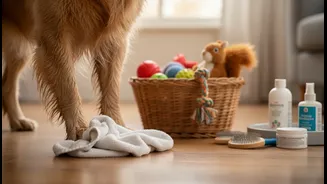
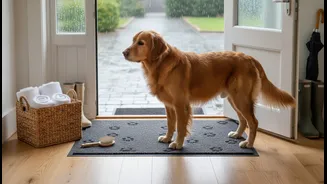
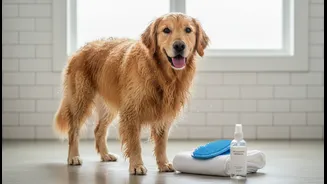
common areas. Before you clip on the leash, lay down an absorbent mat and have your supplies within arm's reach. You'll need at least two highly absorbent towels, preferably microfiber ones, as they soak up more water than standard bath towels. Keep a stash of pet-safe, alcohol-free grooming wipes for quick paw cleaning. Having everything in one place prevents that frantic scramble while your soaking pet shakes water all over the lobby or entryway.
The All-Important Pre-Entry Pause
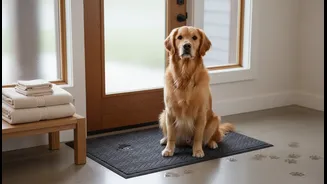
Training your dog to wait at the doorway is the most critical step in this routine. Before they can dash inside and leave a trail of muddy paw prints, have them pause on the mat you prepared. This brief stop gives you control over the situation and prevents dirt and water from being tracked through your home. For apartment dwellers, this means teaching them to wait in the hallway just outside your flat's door. Use positive reinforcement with treats to build this habit. Over time, your dog will learn that a post-walk pause is a normal and rewarding part of their routine, making the entire process smoother for both of you.
A Systematic Four-Paw Wipe Down
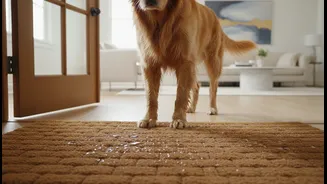
Paws are the primary carriers of mud, bacteria, and allergens from the outdoors. Address them first. Use a damp cloth or a pet-safe wipe to clean each paw thoroughly, making sure to get in between the toes and around the paw pads where moisture and debris hide. For very muddy paws, a paw washer—a small cup with soft silicone bristles inside—can be incredibly effective. You simply add a little water, insert the paw, twist gently, and then dry. After cleaning, it's vital to dry the paws completely with a towel to prevent fungal infections, which thrive in damp conditions. Trimming the fur between the paw pads can also reduce how much mud gets trapped in the first place.
Tackle the Body, Belly, and Ears
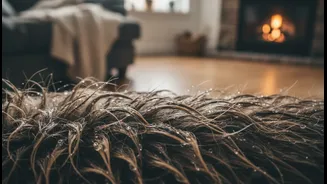
Once the paws are clean, move on to the rest of your pet. With a fresh, dry microfiber towel, start by drying their back, sides, and tail. Instead of rubbing vigorously, which can cause matting and tangles, gently press and squeeze the fur to absorb moisture. Pay special attention to the underbelly, neck folds, and armpits, as these are hidden moisture zones that are often missed. Dampness in these areas is a leading cause of skin irritation and that classic "wet dog" smell, which is caused by bacteria. Finally, gently wipe the inside of your dog’s ears, as trapped moisture during the humid monsoon season can easily lead to ear infections.
Managing the Aftermath and Gear
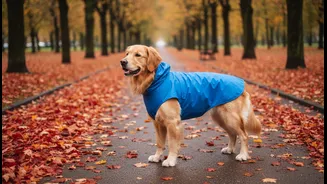
Your dog is now clean, but your job isn't quite done. Immediately hang the wet towels to dry or place them in the laundry to prevent mildew. The same goes for any raincoats or dog booties. A waterproof leash and harness can be a lifesaver, as they won't become soggy and drip water everywhere. If your dog is comfortable with it, a quick blast from a pet-specific hairdryer on a low, cool setting can ensure even thick-coated breeds are completely dry. Keeping your drying station tidy and managing the wet gear promptly ensures your entryway remains clean and ready for the next rainy adventure, making monsoon walks enjoyable instead of a chore.