
A Journey, Not a Commute
In an era defined by high-speed efficiency, the Nilgiri Mountain Railway (NMR) is an act of deliberate slowness. Officially recognised as India's slowest train, it covers the 46-kilometre journey from Mettupalayam to Udhagamandalam (Ooty) in about five
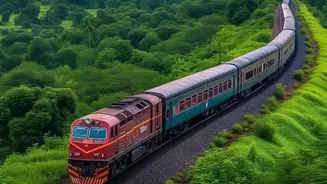
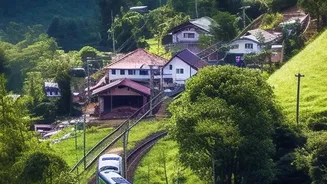
hours. Travelling at a leisurely pace of around 10 km/h, the journey itself is the main attraction. For a generation of young travellers accustomed to quick flights and faster cars, the appeal lies in this very unhurried pace. It taps directly into the growing 'slow travel' movement, which prioritises connection with a place over simply arriving at a destination. Passengers aren't just getting to Ooty; they are experiencing the Nilgiris in a way that’s impossible by road, with every chug of the engine and every curve of the track offering a new, breathtaking vista.
Heritage That's Instagram-Ready
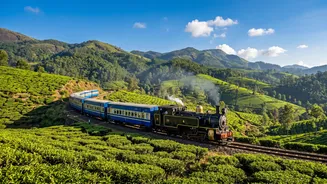
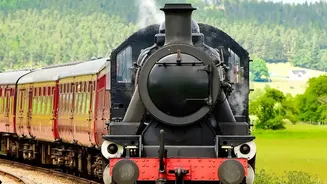
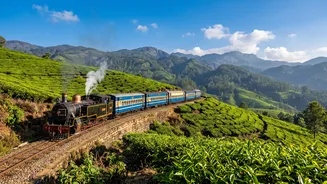
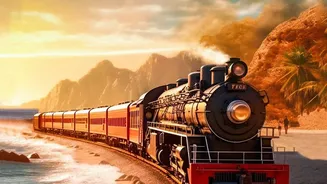
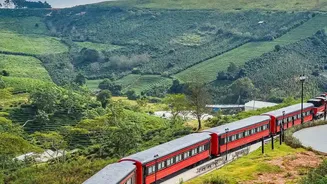
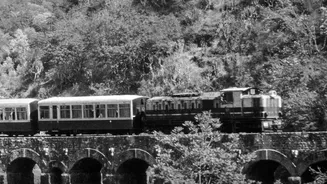
First opened in 1899 and extended to Ooty in 1908, the NMR is more than a train; it's a living piece of history. Recognised as a UNESCO World Heritage Site in 2005, it is a marvel of railway engineering. It's the only railway in India that uses a unique 'rack and pinion' system to climb the steep gradients of the Nilgiri Hills, making it Asia's steepest railway line. This combination of vintage charm—from the wooden carriages to the historic steam locomotives used on parts of the route—and stunning natural beauty makes it incredibly photogenic. Young travellers are capturing and sharing this experience, from selfies with the 'I Love Ooty' sign to aesthetic videos of the train snaking through 16 tunnels, over 250 bridges, and past verdant tea estates. The journey has become a coveted reel or vlog, transforming a century-old railway into a 21st-century social media star.
The Pull of Cinematic Nostalgia
For many young Indians, the image of a train weaving through the Nilgiris is etched in their minds long before they book a ticket. The NMR’s most famous pop culture moment is undoubtedly its appearance in the song 'Chaiyya Chaiyya' from the 1998 film Dil Se... The iconic sequence filmed atop the moving train created a lasting visual that has been passed down through generations. This cinematic legacy adds a layer of nostalgia and romance to the journey. Riding the train allows travellers to step into a scene they've known for years, making the experience feel both personal and epic. This blend of Bollywood history and tangible reality is a powerful draw, offering a chance to live out a piece of beloved film history.
An Authentic, Analogue Experience
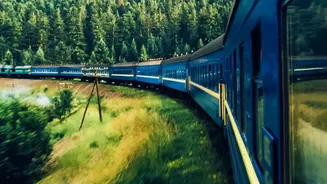
In our digitally saturated world, the NMR offers a refreshingly analogue experience. While phones are out for photos, the journey encourages passengers to be present. The slow-moving train allows for uninterrupted views of lush forests, dramatic valleys, and cascading waterfalls that you might otherwise miss. The sounds—the rhythmic chugging of the engine, the whistle echoing through the hills, and the shared excitement of passengers in the tunnels—create a multi-sensory experience. You pass through quaint, colonial-era stations like Coonoor, Wellington, and Lovedale, which feel like stepping back in time. This tangible connection to history and nature provides a welcome escape from the everyday, offering a moment of quiet reflection and simple joy that resonates deeply with travellers seeking authenticity.