

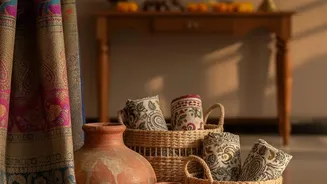
In a world of fast fashion, a handmade quilt is an object of intention and memory. In Maharashtra, this tradition has a special name: the Godhadi, a beautiful and sustainable practice of turning old clothes into comforting heirlooms.
A Tapestry of Memories
A Godhadi is more
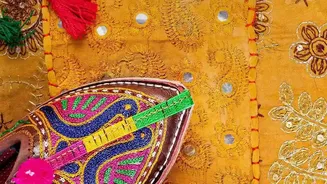
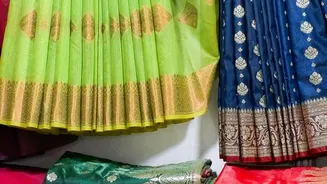
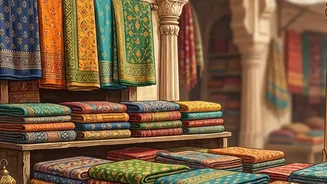
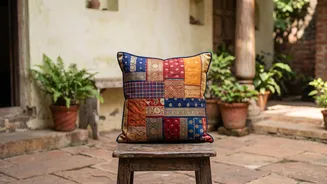
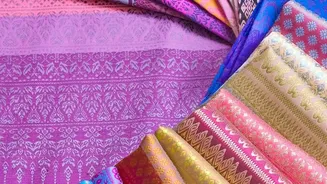
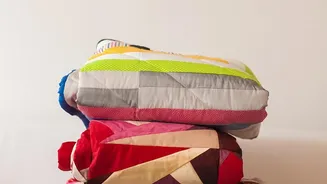
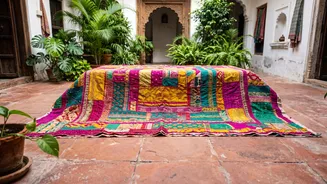
than just a blanket; it's a story stitched in thread. Native to Maharashtra and surrounding regions, these hand-sewn quilts are crafted by layering old, softened fabrics—often saris, dhotis, and dupattas—and binding them with a simple running stitch. Unlike mass-produced blankets, each Godhadi is unique, a colourful mosaic of discarded textiles given a new purpose. Traditionally, it was a domestic craft, a way for women to provide warmth for their families by repurposing what they had. These quilts were born from necessity but evolved into a cherished folk art form, representing love, resourcefulness, and the passage of time.
The Art of Mindful Upcycling
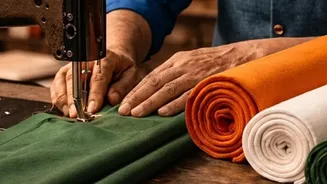
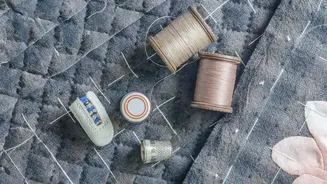
The process of making a Godhadi is as meaningful as the final product. It begins with collecting and preparing used garments, which are washed and ironed. The larger, more beautiful pieces, like saris, are often reserved for the outer layers, while smaller scraps from shirts or trousers form the warm inner filling. Women would traditionally gather in the afternoons, especially during the summer months when farm work was slow, to stitch together. These quilting circles became lively social events, filled with shared stories, songs, and laughter, weaving the community's spirit directly into the fabric. The stitching itself is done with a sturdy white cotton thread, chosen for its strength, creating the simple, durable patterns that define the Godhadi's humble aesthetic.
Woven with Love and Legacy
Godhadis are deeply intertwined with life's milestones. A baby's first blanket is often a small Godhadi made from their mother's old saris, a practice believed to provide comfort and a sense of security through the mother's familiar scent. They are also given as part of a bride's trousseau, a handmade treasure to take to her new home. Because the fabrics used are often family heirlooms, the quilt becomes a 'family collage', a tangible link to previous generations. This deep sentimental value is why many families refuse to sell their Godhadis, considering them priceless keepsakes filled with memories and the labour of a loved one's hands.
A Sustainable Tradition Finds New Life
In an era of growing environmental consciousness, the Godhadi has found new relevance. Its principles of upcycling, zero-waste, and mindful consumption resonate strongly with modern sensibilities. This has sparked a revival of the craft, with various social enterprises and NGOs working to empower rural women by turning their traditional skills into a sustainable livelihood. These initiatives provide artisans, many from marginalised communities, with economic independence while preserving a precious cultural heritage. Artisans are now creating Godhadis for a wider market, even collaborating with international designers to innovate new patterns and products like bags and tapestries, introducing this beautiful Maharashtrian tradition to a global audience.