







1. A Thorough Vehicle Health Check
Before you even think about packing, give your vehicle a comprehensive inspection. Your car is your first line of defence against monsoon hazards. Start with the most critical components for wet weather. Ensure your tyres have adequate tread depth to
grip slippery roads and prevent hydroplaning; worn-out tyres are a major risk. Check your windshield wipers to see if they clear water effectively without streaking or skipping. If they're not in top shape, replace them. Good visibility is non-negotiable. Test all your lights—headlights, taillights, brake lights, and indicators—to make sure you can see and be seen in heavy downpours or fog. Using your low-beam headlights during rain improves your visibility to other drivers. Finally, have your brakes inspected. Wet roads increase stopping distances, so responsive brakes are essential for safety.
2. Intelligent Route and Terrain Analysis
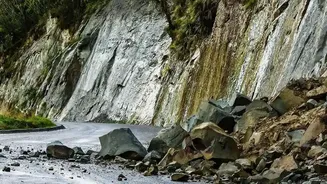
Don't just rely on your GPS for the fastest route. During the monsoon, the safest path is more important than the shortest one. Research your intended route for weather-related risks. Hilly and mountainous regions, like parts of the Himalayas and Western Ghats, are often prone to landslides during heavy rain. Waterlogging is a common issue in many cities and low-lying areas, which can conceal massive potholes and damage your vehicle's engine. Before you leave, consult multiple sources. Use navigation apps that provide real-time updates on road closures and waterlogged zones. Check official sources like ISRO's Bhuvan portal, which offers a Landslide Atlas of India, to identify high-risk areas. Choosing a destination and route known for good connectivity and less susceptibility to weather disruptions can make your trip much more enjoyable and safe.
3. Real-Time Weather and Hazard Monitoring
Monsoon weather is notoriously unpredictable. A sunny morning can turn into a torrential downpour by the afternoon. It's crucial to monitor weather forecasts not just before you leave, but throughout your journey. Use reliable weather apps and websites to get real-time updates for your specific route. For areas prone to landslides, there are specialised apps, like SLIP-K developed for parts of Kerala, that can provide early warnings based on rainfall intensity. Stay informed about road conditions through local news channels, traffic police updates on social media, and official government advisories. This proactive approach allows you to make informed decisions on the go, such as altering your route, delaying your travel for a few hours to let a storm pass, or finding a safe place to stop altogether.
4. The Monsoon-Ready Emergency Kit
While a standard emergency kit is always a good idea, a monsoon road trip requires some specific additions. Your kit should be tailored to handle wet and humid conditions. Pack waterproof bags or pouches to protect your electronic devices, documents, and other valuables. Include a powerful flashlight with extra batteries, as visibility can drop suddenly. A well-stocked first-aid kit with antiseptic wipes, bandages, and any personal medications is essential. Also, pack extra dry clothes, towels, and a few pairs of dry socks. Non-perishable snacks and plenty of drinking water are crucial in case you get stranded due to road closures or waterlogging. Finally, an insect repellent can be a lifesaver, as mosquito populations often surge during the rainy season.
5. The Human Factor: Driver and Journey Preparedness
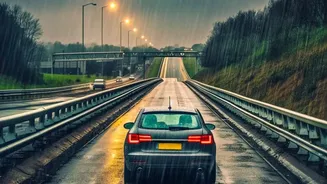
The final and most important safety factor is the driver. Driving in heavy rain is mentally and physically draining due to reduced visibility and the need for constant concentration. Prioritise getting adequate rest before a long drive. Avoid driving at night, as the combination of darkness and rain makes it incredibly difficult to spot hazards like potholes or pedestrians. Plan your journey in shorter segments and take regular breaks to stay alert. Always drive slower than the speed limit on wet roads to give yourself more time to react and to reduce the risk of hydroplaning. Maintain a greater following distance from the vehicle ahead, as stopping distances can double in the rain. Lastly, never use cruise control on wet roads, as it can reduce your ability to respond quickly if your tyres lose traction.