



What Exactly Is Pazhanthanji?
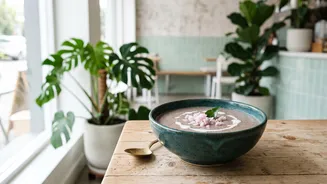
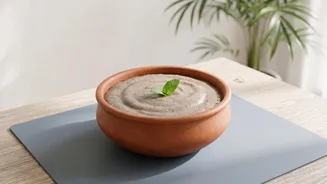
At its core, pazhanthanji—also known as pazham kanji in Kerala or panta bhat in Bengal—is the epitome of sustainable, nose-to-tail cooking. It’s simply leftover cooked rice, submerged in water and left to ferment overnight in a clay pot. The next morning,
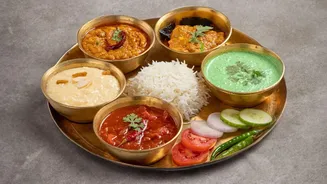
this slightly sour, cloudy liquid, along with the softened rice, becomes a nourishing meal. Traditionally, it was the breakfast of farmers and labourers, a source of instant energy and hydration to fuel a hard day's work under the sun. It’s typically consumed with simple, flavourful accompaniments like crushed shallots, green chillies, pickles, or a piece of fried fish, transforming a basic dish into a balanced meal.
A Natural Probiotic Powerhouse
The magic of pazhanthanji is in its fermentation. The overnight process creates a thriving ecosystem of beneficial lactic acid bacteria, making it a potent, natural probiotic. In an age where gut health is increasingly linked to everything from immunity to mental well-being, this ancient brew is being recognized as a homegrown superfood. The fermentation also increases the bioavailability of micronutrients in the rice, boosting levels of iron, potassium, and calcium. Furthermore, it's a rich source of B vitamins, especially B6 and B12, which are crucial for energy and not always plentiful in plant-based diets.
The Elixir vs. The Smoothie
So, how does this rustic porridge stand up against the modern, blended smoothie? While a smoothie can pack in fruits and vegetables, it often comes with a high sugar content and a hefty price tag, sometimes featuring exotic, imported ingredients. Pazhanthanji, on the other hand, is built on frugality and local sustenance. It’s a natural, whole-food source of carbohydrates for energy, electrolytes for hydration, and live probiotics for gut health. Unlike many sugary breakfast options, it provides stable energy without the subsequent crash. Its high water content also makes it exceptionally hydrating and gives it a cooling effect, which is why it has been a staple in hot climates for centuries.
From Farm Staple to Urban Trend
The revival of pazhanthanji is part of a larger movement across India towards rediscovering traditional foods and embracing culinary roots. As health-conscious urbanites grow wary of ultra-processed supplements and globally standardized wellness fads, they are turning to the wisdom of their ancestors. Young chefs and wellness-focused cafes are tapping into this sentiment, putting modern spins on the classic dish. Some are blending it into smoothie-like concoctions with buttermilk and spices, while others serve it with gourmet accompaniments, celebrating its humble origins while adapting it for a contemporary palate. This trend highlights a growing desire for authenticity and a connection to local food systems.