


More Than Just Building Muscle
Resistance training is simply any exercise that causes your muscles to work against an opposing force. The goal isn't necessarily to build huge muscles, but to make them stronger. While bodybuilding focuses on aesthetics and maximising muscle size, resistance
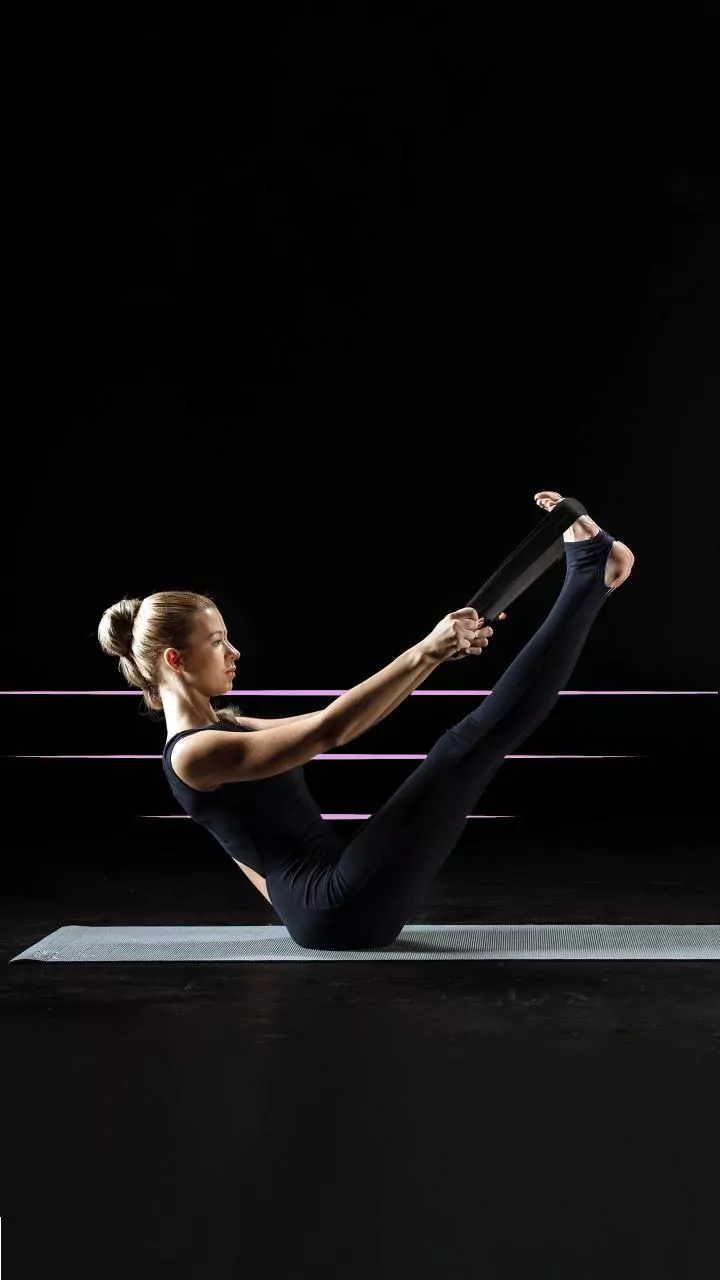
training for general health is about improving your functional strength for daily life. Think of it as a way to make your body more resilient, capable, and efficient, whether you're carrying groceries, playing with your children, or simply want to improve your posture. It’s a foundational component of a well-rounded fitness program, complementing other activities like walking, running, and yoga.
The Everyday Benefits of Getting Stronger
Adding resistance work to your routine offers a wealth of benefits that you'll feel in your day-to-day life. A primary advantage is building and maintaining lean muscle mass, which naturally declines with age. This is crucial because stronger muscles help protect your joints from injury, improve balance, and reduce the risk of falls. Resistance training also puts stress on your bones, signalling them to become denser and stronger, which can help ward off conditions like osteoporosis. Furthermore, muscle is more metabolically active than fat, meaning that as you gain muscle, your body burns more calories even when you're at rest, which aids in weight management. Studies also show it can help manage chronic conditions like heart disease and diabetes, and even sharpen your thinking skills.
Your Resistance Toolkit Is All Around You
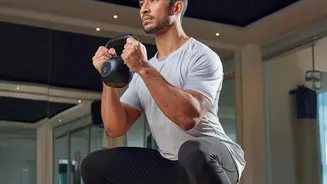
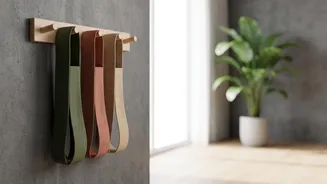
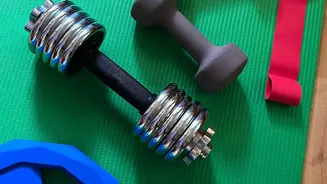
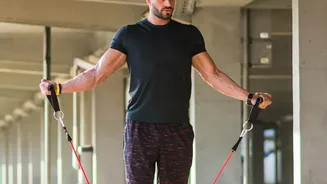
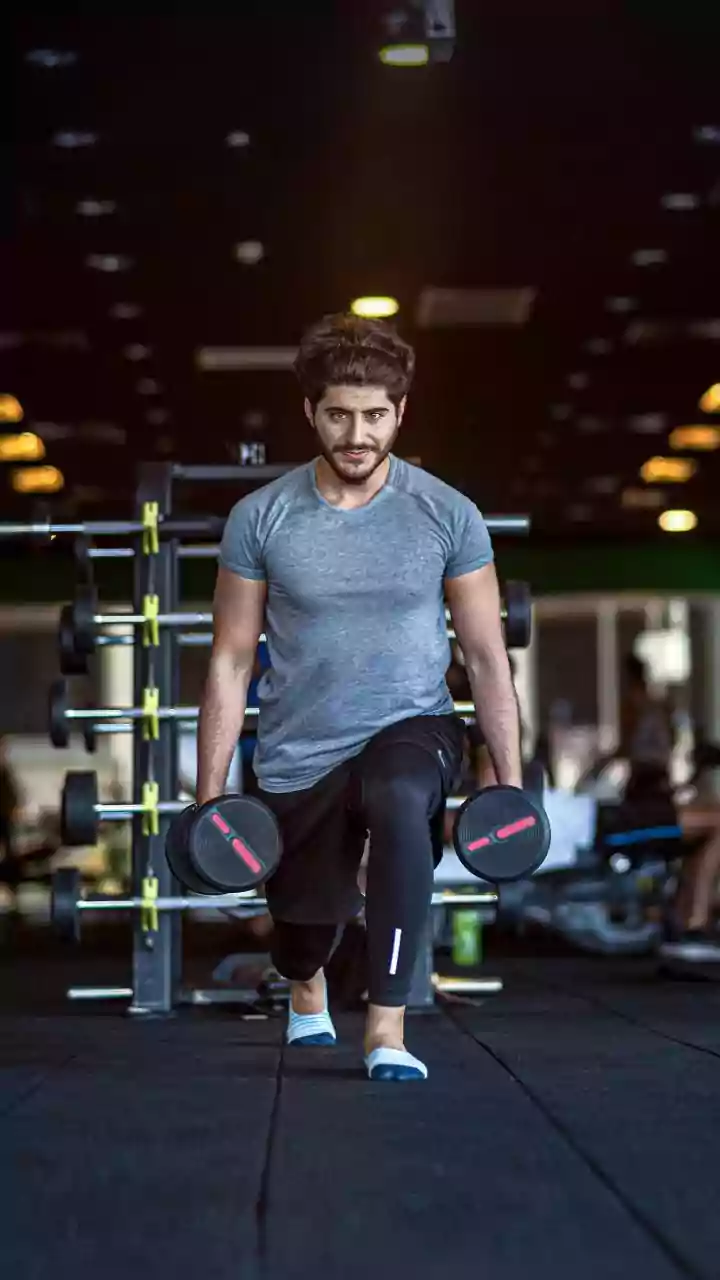
You don't need a gym membership or expensive equipment to start. The most accessible tool is your own body. Bodyweight exercises like squats, push-ups, and planks use your own mass as resistance and are incredibly effective. Another excellent, low-cost option is resistance bands. These are versatile, portable, and come in various tensions, allowing you to add challenge to a wide range of movements. Of course, traditional free weights like dumbbells and kettlebells are also great tools. The key is to choose a resistance level that feels challenging by the last few repetitions of a set, typically around 12 to 15 reps for beginners.
Simple Moves to Start With Today
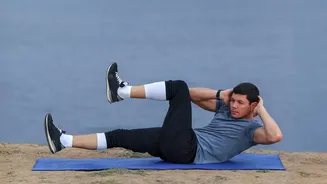
Ready to give it a try? Here are a few beginner-friendly exercises you can do at home. For the lower body, squats are a powerhouse move that strengthens your legs and glutes. Stand with your feet shoulder-width apart and lower your hips as if sitting in a chair, keeping your chest up. For the upper body, push-ups are a classic. If a full push-up is too difficult, start by doing them on your knees or against a wall. For your core and back, try the glute bridge: lie on your back with knees bent, feet flat on the floor, and lift your hips toward the ceiling. These moves work major muscle groups and build a solid foundation.
Weaving It Into Your Week
Integrating resistance training doesn't mean you need to overhaul your entire schedule. The recommendation is to engage in muscle-strengthening activities at least two days a week. You can achieve this in several ways. Try adding a 15-minute strength session after your regular walk or run. Or, you could dedicate two separate days to a 20-30 minute full-body resistance workout. You can even break it up into smaller, 10-minute chunks throughout the day if that works better for you. The most important thing is consistency. Find a routine that you enjoy and that fits your lifestyle, and your body will thank you for it.