






Unlocking Centuries of History
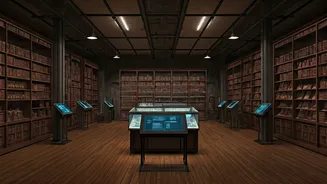
At the heart of this initiative is the ambitious digitisation of the Delhi Archives, the city's official memory keeper. This government-led project is tasked with converting millions of pages of historical records into a digital format. The goal is to create
a comprehensive online portal that makes centuries of invaluable information accessible to anyone with an internet connection. This digital gateway will serve as a crucial resource for understanding the evolution of the city, from its Mughal-era glory to its colonial transformation and post-independence growth. It represents a fundamental shift from physically guarding fragile documents to proactively sharing the knowledge they contain. The project aims to preserve records that are susceptible to decay while democratising access to the city's heritage.
A Treasure Trove of Records
The collection being digitised is nothing short of a historical treasure. The Delhi Archives holds records dating back to the early 19th century. Among the documents are royal edicts (farmans) from Mughal emperors, papers related to the 1857 uprising, and the original trial proceedings of freedom fighters like Bhagat Singh. The archives also contain the land acquisition records that detail the creation of Lutyens' Delhi, offering a blueprint of the modern capital's origins. Beyond grand political events, the collection includes jail records, maps, gazettes, and private papers in languages like Persian, Urdu, and English, providing a granular view of the city's administrative, social, and cultural life over the last 200 years. This digitisation effort ensures that these diverse and vital narratives are not lost to time.
From Careful Hands to a Single Click
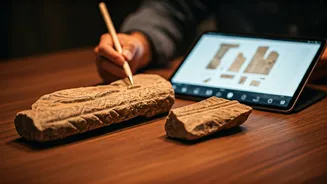
The process of converting these delicate records into digital files is meticulous and painstaking. It began with the import of high-tech overhead scanners from Germany, designed to handle brittle and precious documents without causing damage. Teams of trained staff, often wearing gloves and masks, carefully handle each page. The project involves not just scanning but also microfilming, creating multiple backups for long-term preservation. Once an image is captured, it undergoes a process of data entry and metadata tagging, which is crucial for making the documents searchable online. The sheer scale of the repository, estimated at around four crore documents in the first phase, makes this one of the most significant archival digitisation projects in Asia.
A Resource for All
While academic scholars and historians are obvious beneficiaries, the digital archive is designed for a much broader audience. Students can use it for research, writers can find authentic details for their stories, and filmmakers can source historical information. Crucially, the public can also access records for practical purposes, such as consulting old property and land registration documents to settle disputes. This public utility transforms the archive from a purely academic institution into a living public resource. By making history easily accessible, the initiative aims to foster a deeper connection between Delhi's residents and their city's layered past, encouraging curiosity and public engagement with heritage.
A Wider Push for Heritage
The digital archive is the cornerstone of a broader, multi-pronged strategy by the Delhi government to preserve and promote its heritage. In May 2026, the Delhi Assembly launched a separate project to digitise its own legislative history, preserving over half a million pages of civic records. More recently, in July 2026, the government introduced the “Hamare Smarak, Hamara Gaurav” (Our Monuments, Our Pride) initiative. This scheme allows private companies, trusts, and NGOs to 'adopt' 75 of Delhi's state-protected monuments for five years, taking responsibility for their maintenance, cleanliness, and the improvement of visitor facilities. Together, these initiatives—from digitising documents to maintaining physical structures—show a comprehensive commitment to safeguarding all facets of the capital’s rich inheritance.