







Beyond the Pan-Indian Menu
For decades, dining out at an Indian restaurant often meant a familiar menu of North Indian staples. While delicious, these dishes represent just a fraction of India's immense culinary diversity. Now, a new generation of chefs is championing hyper-regional
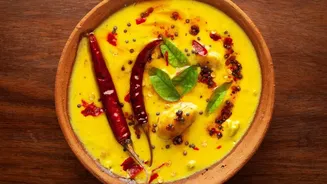
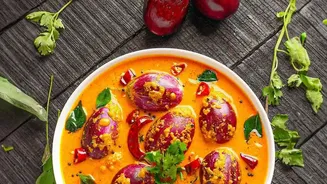
food, digging deep into the unique culinary traditions of individual states, communities, and even households. This movement is about celebrating forgotten recipes, indigenous ingredients, and local cooking techniques that were previously confined to home kitchens. Diners are showing a keen interest in this shift, moving past the once-standard dishes to explore the depth of regional specialities from across the country.
The Chef as Culinary Curator
Today's pioneering chefs see themselves as more than just cooks; they are storytellers and curators of culinary heritage. They are driven by a desire to preserve tradition while ensuring it remains relevant for a modern audience. This isn't about creating fusion for novelty's sake, but about a thoughtful reinterpretation of flavours they grew up with. Many chefs draw inspiration from family recipes and childhood memories, using these as a foundation for their innovative dishes. The goal, as expressed by chefs like Vikas Khanna, is 'innovation without alienation'—creating something new that still honours its roots. This approach involves a deep respect for ingredients, with many restaurants sourcing hyperlocal produce directly from small-scale farmers to ensure authenticity and character.
Familiar Flavours, New Forms
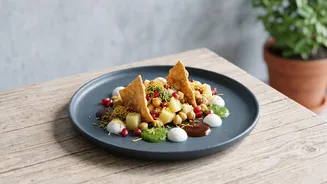
This modern makeover takes many forms. At Masque in Mumbai, for example, a classic masala papad is reimagined using nixtamalized corn. In Bengaluru, Kalpaney, a vegetarian restaurant, transforms dal dhokli into a refined tagliatelle with kokum dal. Chef Manish Mehrotra, formerly of Indian Accent, became famous for elevating regional dishes with contemporary twists, such as his burrata chaat and blue cheese naan. At Hosa in Goa, Chef Harish Rao offers a luxe take on Madurai street food with a Kari Dosa featuring bone marrow hollandaise and a poached egg. These creations play with textures, temperatures, and presentation, offering a completely new way to experience familiar tastes.
A Nationwide Movement
This trend is not limited to the bustling metros of Mumbai and Delhi. It's a nationwide movement that is reshaping fine dining across the country. From Bengaluru to Goa, chefs are proudly putting regional Indian food in the spotlight. This culinary shift is also gaining significant recognition abroad, with Indian restaurants in New York, London, and Chicago earning Michelin stars for their authentic, regionally-inspired menus. This global appreciation is helping to change the perception of Indian food from cheap-and-cheerful to a sophisticated and diverse cuisine worthy of fine dining. As diners become more curious, they are increasingly seeking out stories and authenticity on their plates, a demand that Indian regional cuisines are perfectly positioned to meet.
Innovation or Sacrilege?
Whenever tradition is reinterpreted, it sparks debate. Some critics argue that modernizing classic dishes dilutes their authenticity. However, the chefs at the forefront of this movement contend that they are not erasing history, but rather building upon it. They see this evolution as crucial for keeping culinary traditions alive and engaging a new generation of diners whose palates have been shaped by global influences. Instead of being a forced fusion, contemporary Indian food is increasingly seen as an act of confidence—a declaration that these regional flavours don't need to be simplified or translated to be appreciated. It's about respecting the past while confidently looking toward the future of Indian food.