



The New Work-Life Equation
The post-pandemic era has solidified a new reality for many in India's tech and creative sectors: work is no longer tied to a physical office. This flexibility has fuelled the rise of the 'workation'—a blend of work and vacation where professionals relocate
to scenic destinations without taking time off. Instead of burning through annual leave for a short break, they are choosing to spend weeks or even months working from places that offer a better quality of life. This shift is driven by a desire to escape urban burnout, find creative inspiration in nature, and achieve a more sustainable work-life balance. Destinations across the country, from the beaches of Goa to the hills of Himachal, are seeing this trend, but Sikkim is emerging as a unique favourite, particularly during the often-overlooked monsoon season.
Why Gangtok in the Monsoon?
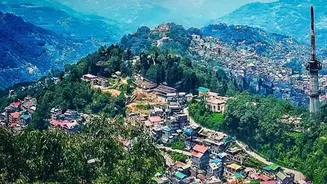
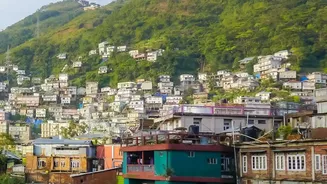
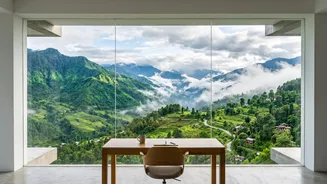
While many tourist spots quiet down during the rains, for the remote worker, it’s the perfect time to be in Gangtok. The monsoon transforms Sikkim into a lush, green paradise. The crowds thin out, the air is crisp and clean, and a profound sense of peace settles over the hills. For a tech worker deep in code or a writer on a deadline, the rhythmic sound of rain and the sight of clouds rolling through the valleys provide a calming, distraction-free soundtrack to the workday. The appeal isn't just aesthetic; it's a chance to experience a place in its most authentic, tranquil state, far from the peak-season rush. This off-season allure is precisely what makes it an ideal setting for focused work and genuine relaxation.
More Than Just a Hotel with Wi-Fi
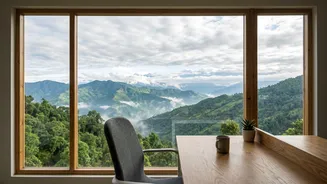
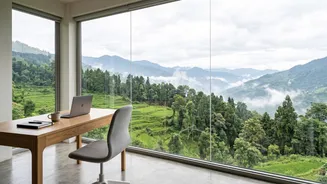
What makes Gangtok especially attractive are the dedicated co-living and workation hubs designed specifically for this new breed of professional. These aren't just hotels with an internet connection; they are thoughtfully designed ecosystems. Spaces like these offer reliable, high-speed fiber internet, crucial power backups to handle hillside power cuts, and ergonomic workstations—the holy trinity for any remote worker. More importantly, they foster a sense of community. Professionals from diverse backgrounds live and work together, sharing meals, ideas, and weekend explorations. This communal aspect combats the isolation that can sometimes accompany remote work, blending focused productivity with social connection.
A Day in the Life: Code, Chai, and Clouds
A typical day for a workationer in Gangtok is a study in balanced living. The morning might start not with a blaring alarm, but with a view of mist-covered mountains from the balcony. The workday is punctuated by cups of locally grown tea and focused sprints of productivity, with the knowledge that a vibrant culture awaits just outside. Evenings are for leisurely strolls down the clean, pedestrian-only MG Marg, exploring cafes with charging ports, or simply reading a book as the clouds drift by. Weekends open up opportunities for adventure, from day trips to the serene Tsomgo Lake to exploring nearby monasteries. It’s a routine that seamlessly integrates work commitments with the restorative power of nature and local culture.
The Practical Realities and The Future
Of course, a workation in the Himalayas is not without its challenges. While internet connectivity in Gangtok has improved dramatically, with reliable fiber and 4G options, it can still be inconsistent in more remote areas. The monsoon, while beautiful, can also bring the risk of landslides and travel disruptions. However, these are often seen as minor trade-offs. The trend is being actively supported by local initiatives like 'Nomad Sikkim,' which aims to develop villages into hubs for digital professionals, ensuring sustainable income for homestay owners year-round. This project in villages like Yakten is equipping them with high-speed internet and power backups, officially putting Sikkim on the global map for remote work.