








The Calorie as a Decoy
Focusing only on calories is a common trap. While a calorie is a measure of energy, not all calories are created equal in terms of nutritional value. A 100-calorie snack pack of refined biscuits offers quick energy but little else. In contrast, 100 calories of almonds
provide healthy fats, protein, and fibre. This is the difference between calorie density and nutrient density. Nutrient-dense foods offer more vitamins, minerals, and beneficial compounds for every calorie. They keep you feeling full and provide sustained energy, while calorie-dense, nutrient-poor foods can lead to energy crashes and cravings, even if the calorie count on the package seems low.
The Serving Size Illusion
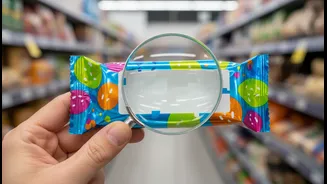
One of the most effective tricks in the food industry playbook is manipulating the serving size. A packet of chips or biscuits might seem reasonably low in calories until you read the fine print. Often, the nutritional information displayed prominently is for a single, tiny serving, while the package contains three, four, or even eight servings. In India, FSSAI regulations require labels to state values per 100g and per serving, but manufacturers define the serving size themselves, which is often unrealistically small. A consumer might eat half a packet of biscuits, thinking they've had a small snack, when they have actually consumed the equivalent of four servings and a significant portion of their daily recommended sugar intake. Always check the “servings per container” and do the maths to understand what you are truly consuming.
Beware the 'Health Halo'
Marketers use specific buzzwords to create a “health halo” around a product. Claims like “low-fat,” “all-natural,” “organic,” or “gluten-free” can make us perceive a food as being healthier overall than it actually is. This effect can be so powerful that it makes people less likely to check the full nutrition label. A low-fat yoghurt might be loaded with added sugar to compensate for flavour. A gluten-free cookie is still a cookie, often made with refined flours and fats. These single positive attributes distract from other, less desirable ones. This can lead to overconsumption because we feel we’re making a virtuous choice.
What’s Missing Is What Matters
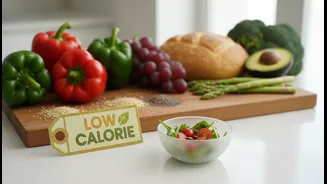
Many highly processed, low-calorie foods are stripped of the very things that make food nourishing: protein, fibre, and healthy fats. These are the macronutrients that promote satiety—the feeling of fullness and satisfaction after a meal. Fibre, in particular, aids digestion and helps manage blood sugar levels. Protein is crucial for muscle repair and keeping hunger at bay. When a snack lacks these components, it doesn't satisfy you, leading you to reach for more food soon after. This is why you can eat a large, nutrient-dense salad and feel full for hours, while a calorie-equivalent portion of a processed snack leaves you wanting more. The goal shouldn't just be to cut calories, but to choose calories that come packed with the nutrients your body needs to function well.
How to Become a Smarter Shopper
Navigating the supermarket aisle doesn't have to be a battle against marketing. Your best tool is the nutrition label. Ignore the flashy claims on the front and turn the package over. First, always check the serving size and the ingredients list. Ingredients are listed by weight, so the first few items make up the bulk of the product. If sugar, refined flour (maida), or hydrogenated oils are near the top, it’s a red flag. Next, use the 'per 100g' column for a fair comparison between different products. Look for foods higher in fibre and protein and lower in added sugars, sodium, and saturated fat. A simple rule is to prioritise whole, unprocessed foods like fruits, vegetables, legumes, and whole grains, which don't need misleading labels to prove their worth.