


The Problem with Proximity
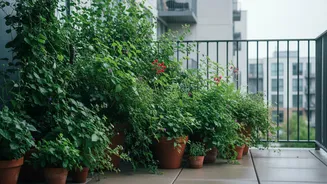
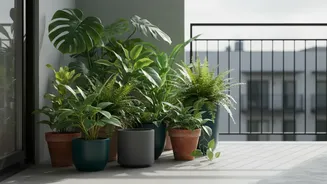
Packing plants tightly together seems like a great way to maximize a small space, but it can create a host of problems. The primary issue is a lack of air circulation. When air can't move freely between your pots and through the foliage, it creates a humid,
stagnant environment. This microclimate is very different from what plants experience in nature. Without a gentle breeze to whisk away excess moisture, the soil surface and leaves stay damp for extended periods, setting the stage for other complications.
When 'Slowly Drying' Is a Bad Thing
While constantly watering thirsty plants can be a chore, soil that never seems to dry out is a much more serious threat. Stagnant moisture is a breeding ground for fungal and bacterial diseases. The most common and dangerous result is root rot, a condition where roots, deprived of oxygen in waterlogged soil, begin to decay. This prevents the plant from absorbing nutrients and water, leading to yellowing leaves, stunted growth, and eventual collapse. Furthermore, damp conditions attract pests like fungus gnats, which thrive in moist potting mix.
Boosting Airflow on Your Balcony
The solution to slow-drying soil is to improve air circulation. Start by giving your plants some breathing room. Avoid packing pots rim-to-rim; a small gap is all that's needed to get air moving. You can also elevate your pots using 'pot feet' or small blocks to allow air to flow underneath. Pruning can also make a significant difference. Trimming away lower leaves and thinning dense foliage opens up the plant's structure, allowing air to pass through more easily. Finally, if your balcony is in a particularly sheltered spot, even a small, gentle fan run for a few hours a day can mimic a natural breeze and keep conditions healthy.
The Science of the Lean
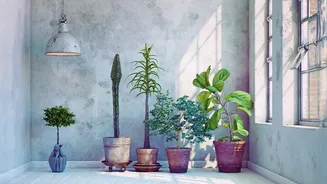
If you've noticed your plants stretching and bending in one direction, you're witnessing a natural process called phototropism. Plants are genetically programmed to grow towards a light source to maximize their ability to photosynthesize, the process of converting light into energy. This is controlled by hormones called auxins, which accumulate on the shaded side of the stem. These auxins cause the cells on the darker side to elongate, forcing the plant to bend and lean towards the light. While it's a clever survival strategy, it can lead to lopsided, weakened stems.
Straightening Things Out
Correcting a leaning plant is surprisingly simple. The easiest and most effective method is regular rotation. Give each pot a quarter turn every week or so, which encourages even growth on all sides and keeps stems strong and upright. If you remember to do it every time you water, it will quickly become a natural part of your care routine. For plants that have already developed a significant lean or for naturally vining species, providing physical support is a great option. A simple bamboo stake, a small trellis, or a moss pole can give your plant a structure to cling to, encouraging upward growth instead of outward leaning.