






Humidity: A Perfect Breeding Ground for Bacteria
High humidity creates the ideal environment for microorganisms like bacteria, mould, and yeast to thrive. These tiny organisms need moisture to multiply, and the damp air provides it in abundance, settling on food surfaces. This is especially true during
India's monsoon season, when the combination of warmth and moisture drastically increases the risk of foodborne illnesses like those from E. coli and Salmonella. Food that might have been fine left on the counter for a short while in dry weather can spoil much faster when the air is heavy with moisture.
The Temperature 'Danger Zone' Heats Up
Food safety experts refer to a temperature range called the "Danger Zone," which is between 5°C and 60°C. Within this zone, bacteria can multiply with shocking speed, sometimes doubling their numbers in as little as 20 minutes. Humid weather makes this danger zone even more perilous. When you leave food out to cool, the moisture in the air can prevent it from cooling down quickly, keeping it in the danger zone for longer. This problem is even more pronounced when outdoor temperatures are high; if it's above 32°C (90°F), food should not be left out for more than one hour.
Common Mistakes That Increase Your Risk
Many common kitchen habits become significantly riskier in humid conditions. Leaving cooked food on the stovetop or counter to cool for hours is a primary mistake, as it's a direct invitation for airborne bacteria to settle and multiply. Another error is improper storage. Using containers that aren't airtight allows moisture from the air to get in, which can cause condensation and create a damp environment even inside the refrigerator. Furthermore, frequent opening of the fridge door in a humid home can raise the internal temperature and humidity, compromising all the food inside.
The Correct Way to Cool, Store, and Reheat
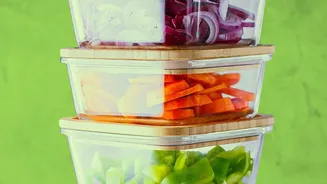
To combat the effects of humidity, you need a three-step strategy. First, cool leftovers quickly. Don't let them sit out for more than two hours—or one hour in very hot weather. To speed up cooling, divide large batches of food like curries or rice into smaller, shallow containers before placing them in the fridge. Second, always use airtight containers to keep moisture out. Third, and most critically, reheat food properly. No matter the method—microwave, stovetop, or oven—the food must reach an internal temperature of 74°C (165°F) throughout to kill any bacteria that may have developed during storage. Use a food thermometer for certainty. When microwaving, stir the food midway through to ensure there are no cold spots.
More Than Just Leftovers
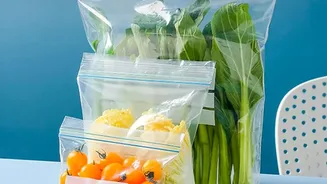
The principles of food safety in humid weather extend beyond just reheating last night's dinner. Raw fruits and vegetables are more susceptible to mould and fungus in these conditions. It’s wise to wash produce thoroughly and store it correctly. Leafy greens, for example, can spoil quickly. Dry goods aren't immune either; things like flour, spices, and biscuits can absorb moisture from the air, which can lead to mould. Even packaging can be compromised, with cardboard softening and metal cans becoming more prone to rust. Being vigilant about your entire pantry, not just the refrigerator, is crucial when the air is damp.