

Cleopatra's Milk Baths: Ancient Exfoliation?
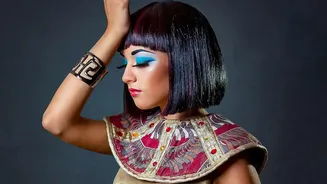
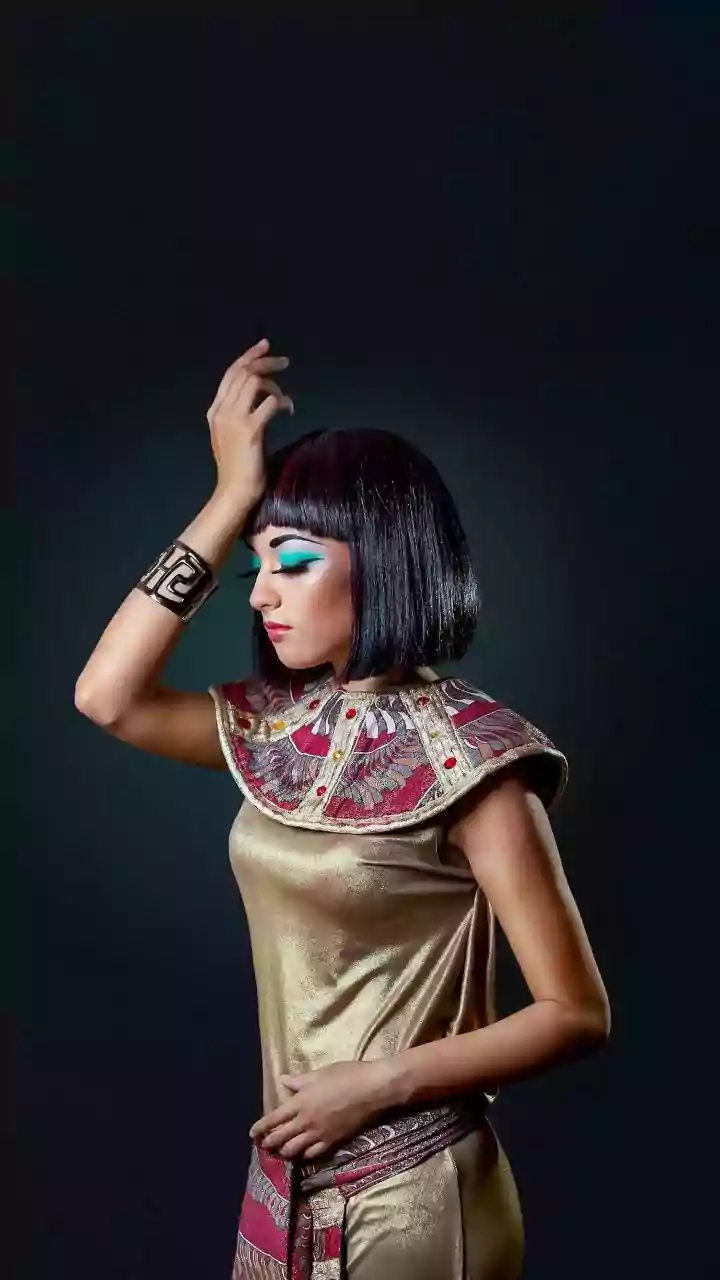
Perhaps the most famous ancient beauty ritual is Cleopatra's supposed daily bath in donkey milk. The legend says this practice was the secret to her soft, radiant skin. Historically, milk was seen as a luxurious skin treatment, with a reputation for nourishing
and smoothing the complexion. HISTORICAL PRACTICE: Cleopatra would bathe in sour milk, sometimes mixed with honey, to maintain her famously beautiful skin. This was more than just a symbol of immense wealth; it was an early form of a full-body skin treatment, intended to gently cleanse and soften. CLINICAL EVIDENCE: There is strong scientific merit to this ritual. Sour milk is a natural source of lactic acid, an alpha-hydroxy acid (AHA). Modern dermatology uses AHAs as chemical exfoliants to dissolve the bonds between dead skin cells, promoting cell turnover and revealing smoother skin underneath. Studies have shown that even at low concentrations, lactic acid can improve skin hydration, elasticity, and reduce the appearance of fine lines. However, the concentration in a milk bath would have been very low, providing a mild moisturizing and cleansing effect rather than a true chemical peel, which requires much higher concentrations.
Elizabeth I's Lead Makeup: A Deadly Mask
Queen Elizabeth I crafted a powerful image of ageless authority with her iconic 'Mask of Youth': a stark white face and vibrant red lips. This look signified nobility, as a pale complexion proved one did not perform manual labour outdoors. Unfortunately, achieving this look came at a terrible price. HISTORICAL PRACTICE: To create her porcelain visage, the queen used a cosmetic called Venetian ceruse, a paste made from white lead and vinegar. To complete the look, her red lips were coloured with cinnabar, a pigment derived from toxic mercury. It is said that the makeup was applied thickly and left on for a week at a time, with removal involving even more mercury. CLINICAL EVIDENCE: The science here is unequivocal and grim. Lead is a potent neurotoxin. Applying it to the skin allows it to be absorbed into the bloodstream, leading to severe health issues. The side effects of chronic lead poisoning include skin damage, hair loss, cognitive decline, memory loss, and irritability. Historians speculate that Elizabeth's use of these cosmetics contributed to her declining health in her later years. The very makeup she used to project an image of immortal power was, in fact, slowly poisoning her.
Marie Antoinette's Gentle Cleansers
The last Queen of France was known for her lavish lifestyle, which extended to her beauty regimen. While some of her practices were opulent, others were surprisingly gentle and grounded in ingredients we still recognize today. HISTORICAL PRACTICE: Marie Antoinette reportedly avoided the harsh soaps of her era. Instead, she was said to use cleansers made with ground almonds, rose water, and sometimes a face mask containing cognac, egg, powdered milk, and lemon. Another cleanser, Eau Cosmetique de Pigeon, featured ingredients like water lilies, melons, and lemons. CLINICAL EVIDENCE: Many of these ingredients have a basis in modern skincare. Ground almonds act as a gentle physical exfoliant. Rose water is known for its mild anti-inflammatory and soothing properties. The lactic acid in powdered milk exfoliates, while the citric acid in lemon can brighten skin, though it can also be irritating. Eggs provide protein, and grapevine sap, which she also supposedly used, contains antioxidants like polyphenols. Her routine, focused on gentle cleansing and natural ingredients, was far safer and more aligned with modern principles than the toxic cosmetics used in other European courts.
Pearl Powder in Traditional Chinese Medicine
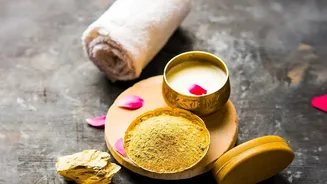
In ancient China, empresses and noblewomen used a prized ingredient for skin health: pearl powder. This tradition was rooted in the belief that it could create a luminous, ageless complexion. HISTORICAL PRACTICE: For centuries, pearl powder has been used in Traditional Chinese Medicine, both ingested and applied topically. It was believed to brighten skin, reduce impurities, and promote a youthful glow. Empress Wu Zetian of the Tang dynasty was a famous proponent of using pearl powder for beauty. CLINICAL EVIDENCE: Modern research has begun to validate some of these ancient claims. Pearl powder is rich in minerals, amino acids, and calcium. Studies have shown it contains a compound called nacre, which can stimulate fibroblasts—the cells responsible for producing collagen. This suggests it may aid in skin regeneration and wound healing. Furthermore, pearl powder has demonstrated antioxidant and anti-inflammatory properties, helping to protect skin from free radical damage and soothe irritation. While not a miracle cure, the science suggests there's real substance behind this luxurious ancient remedy.