
From More to Meaningful
Remember when Diwali or Navratri preparations involved pulling out boxes overflowing with decorations? Strings of flashing lights, synthetic torans, and a sea of plastic decor were the undisputed hallmarks of a home ready to celebrate. While that vibrant
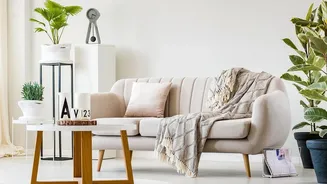
chaos is steeped in nostalgia, many Indian homes are now scripting a different story. The trend is tilting from maximalism towards a more mindful, minimalist aesthetic. This isn't about austerity or celebrating less; it's about shifting the focus from quantity to quality, and from overwhelming visual noise to creating a serene, personal, and meaningful festive atmosphere. The new approach champions a few statement pieces over a room crowded with ornaments, proving that festive decor can be both grand and simple.
The Drivers of a Quieter Celebration
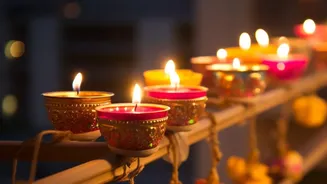
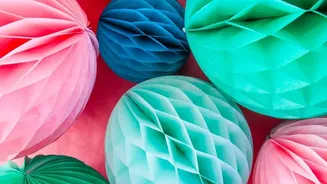
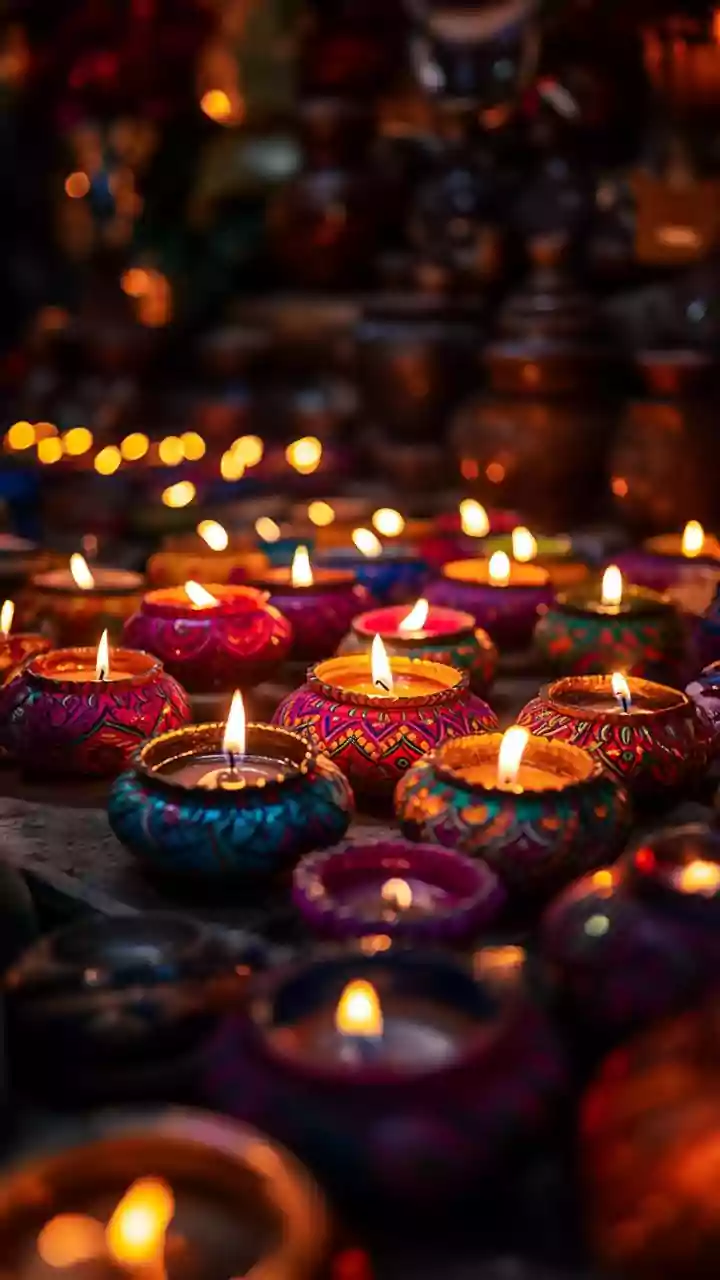
Several factors are driving this change. A growing consciousness around sustainability is a major influence, with many people rejecting single-use plastics and non-biodegradable materials that pile up after the festivities. There is a clear move towards eco-friendly options like clay diyas, decorations made from recycled paper, and natural elements. Secondly, global design trends celebrating clean lines and uncluttered spaces have found a unique identity in India, often called 'Indian minimalism'. This philosophy isn't a stark, cold Western import but a warm, soulful approach that blends modern simplicity with traditional crafts. Finally, in the hustle of modern urban life, many are seeking a more peaceful and less stressful celebration, free from the pressure of elaborate, performative decorating.
The New Festive Lookbook
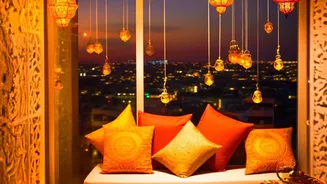
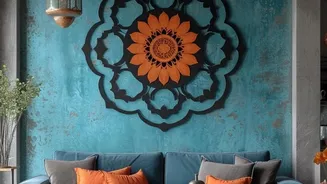
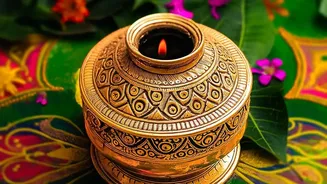
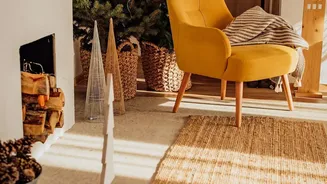
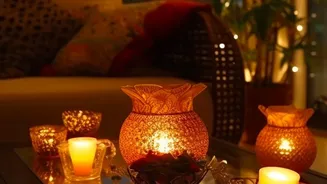
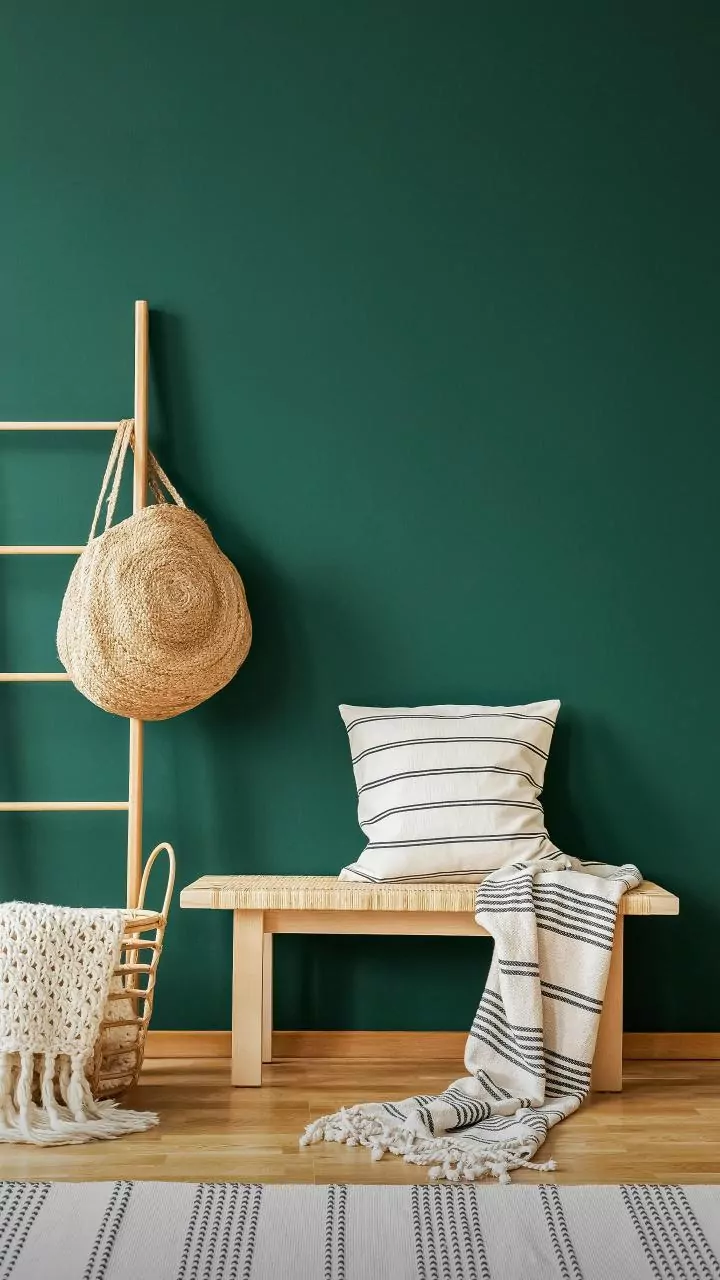
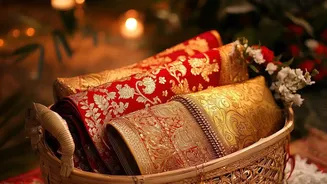
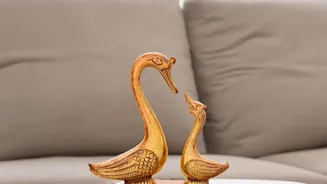
So, what does this new festive aesthetic look like? It’s about being intentional. Instead of countless fairy lights, one might use a single, striking chandelier or a cluster of elegant brass lamps to create a warm glow. Natural materials are taking centre stage: think terracotta, wood, stone, cane, and fresh flowers like marigolds and jasmine used thoughtfully, not excessively. Textiles play a huge role, with handloom fabrics, block-printed cushion covers, or even a repurposed silk sari used as a runner or wall hanging. The colour palette is also evolving. While vibrant jewel tones still have their place, many are leaning towards earthy, neutral bases like beige and terracotta, accented with pops of festive colour, or metallic sheens from gold, silver, or brass. The focus is on handcrafted items that tell a story, connecting the home to its cultural roots in a contemporary way.
Tradition Reimagined, Not Replaced
It is crucial to understand that this trend is not an abandonment of tradition but a reinterpretation of it. The core of the festive spirit—family, togetherness, light, and joy—remains unchanged. What’s evolving is the expression. Interior designers note that this is about elevating elements of the past to meet modern tastes. For example, a rangoli might be created with fresh flower petals and rice flour instead of synthetic powders. A traditional urli bowl filled with water and a few floating flowers might serve as a serene centrepiece. This approach allows homeowners to create a space that feels both connected to their heritage and reflective of their personal, modern identity. It's a fusion that feels both fresh and timeless, proving that cultural practices can evolve beautifully without losing their soul.