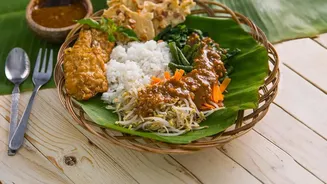







What Exactly Is a Warung?
Forget the trendy cafes with their smoothie bowls and Western prices. A warung is a small, often family-owned and operated eatery, and it's the heart and soul of Indonesian food culture. The term can refer to anything from a simple roadside stall to a small restaurant
set up in a family's front yard. The atmosphere is no-frills—think plastic chairs and simple tables—but the experience is rich with authenticity. Unlike tourist-focused restaurants, warungs serve traditional, home-cooked meals made with recipes passed down through generations. When you eat at a warung, you’re not just having a meal; you’re participating in a daily local ritual and ensuring your money directly supports the community.
The Magic of 'Nasi Campur'
Many warungs specialise in 'Nasi Campur', which translates to "mixed rice." This is the ultimate budget-friendly, customisable meal and a fantastic way for a solo traveller to sample a wide variety of dishes at once. The setup is typically a glass display case filled with 15 to 20 different pre-cooked options. You simply start with a plate of steamed rice and point to the dishes you’d like to add. Offerings often include things like grilled chicken (ayam bakar), spicy beef rendang, various vegetable preparations (sayur), fried tempeh, and of course, a selection of fiery sambal. Each warung has its own unique selection, making every Nasi Campur experience a new culinary adventure.
How Much Will You Actually Save?
The price difference between eating at a local warung and a tourist-centric café is significant. A full, satisfying Nasi Campur plate with a drink at a warung can cost as little as IDR 25,000 to IDR 50,000 (roughly $1.60 to $3.20 USD). In contrast, a single brunch dish with coffee at a trendy café in areas like Canggu or Ubud can easily set you back IDR 180,000 to IDR 300,000 ($12 to $20 USD). By choosing warungs for most of your meals, a solo traveller can realistically keep their daily food budget between $6 and $10 USD. This massive saving allows you to stretch your travel funds further, perhaps for an extra surf lesson, a temple tour, or simply a longer stay in paradise.
How to Spot a Good Warung
Finding a great warung is part of the fun. The single best indicator of quality is to look for a crowd, especially a local one. If you see a warung bustling with locals or a steady stream of Gojek (ride-hailing) drivers picking up orders, it’s a strong sign that the food is fresh, delicious, and well-trusted. Don't be afraid to venture a little off the main tourist drags; some of the best and most authentic spots are tucked away on side streets. While appearances can be simple, look for general cleanliness. A high turnover of customers usually means the food is being prepared fresh throughout the day, which is a key factor for food safety.
Essential Dishes Beyond Mixed Rice
While Nasi Campur is a staple, warungs offer a whole menu of Indonesian classics worth trying. Look for Mie Goreng (stir-fried noodles), Nasi Goreng (fried rice), and Sate (grilled meat skewers), which are delicious, filling, and always affordable. For a comforting meal, try Soto Ayam, a flavorful chicken soup. Vegetarians are also well-catered for, with dishes like Gado-Gado (a salad of cooked vegetables with peanut sauce) and a wide variety of tempeh and tofu options available. If you're feeling adventurous, seek out a warung specialising in a regional delicacy, such as Babi Guling (spit-roasted pork) or Bebek Betutu (slow-cooked duck).
Why It's Perfect for Solo Diners
The casual and often communal nature of warungs makes them an ideal choice for solo travellers. There’s no formality or pressure; you can simply walk in, point at what you want, take a seat, and enjoy your meal. Many warungs have shared tables, creating an inclusive and friendly atmosphere where people from all walks of life eat side-by-side. The process is quick and straightforward, which can be a relief when you're dining alone and just want a delicious, uncomplicated meal. It's a low-stress, high-reward dining experience that lets you feel like a part of the local fabric, even if you’re just passing through.