







An Unprecedented Shopping Spree
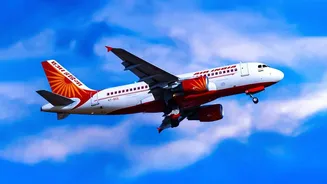
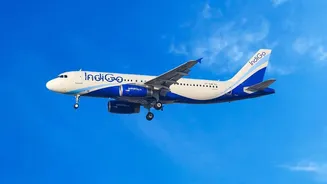
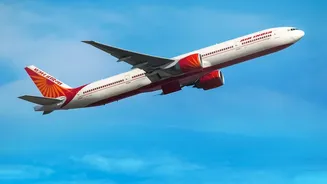
India's aviation sector is in the midst of an expansion unlike any other. The country's primary airlines—IndiGo, Air India, and the rapidly growing Akasa Air—have collectively placed historic orders with manufacturers Airbus and Boeing. IndiGo alone has
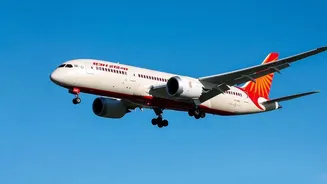
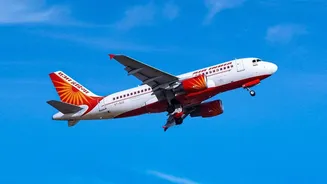
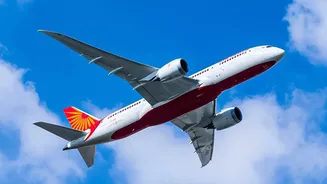
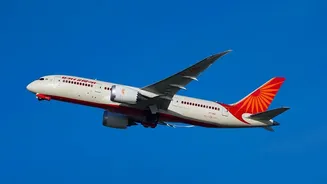
a backlog of nearly 1,000 aircraft to be delivered over the next decade. The recently privatized Air India group placed a monumental order for 470 aircraft in 2023 and has since added to it, bringing its total to 570. Newcomer Akasa Air has also been aggressive, with firm orders for 226 planes. These numbers confirm that Indian carriers have secured a manufacturing pipeline well into the 2030s. However, according to Union Commerce and Industry Minister Piyush Goyal, the total requirement is likely more than 2,000 aircraft, indicating a need for another 1,000 planes.
The Engine of Explosive Demand
The relentless demand for more aircraft is fuelled by India's booming economy and a seismic shift in domestic travel preferences. Projections show India’s aviation market is set to become the world's third-largest by 2030, with passenger numbers expected to hit 500 million annually before the end of the decade. This growth isn't just happening in major metropolitan hubs. The government's UDAN (Ude Desh ka Aam Nagrik) scheme has been a game-changer for regional connectivity. By operationalizing hundreds of routes to previously unserved or underserved airports in tier-2 and tier-3 cities, the scheme has unlocked new markets and made air travel accessible to millions more people, creating a cascading demand for more flights and, consequently, more aircraft.
Supply Chain Hurdles and Delivery Delays
Having planes on order and having them on the tarmac are two different things. A major reason for the perceived shortage is the significant delay in aircraft deliveries from global manufacturers. Both Airbus and Boeing are facing substantial production backlogs due to persistent supply chain issues, particularly with engines, raw materials, and other critical components. These constraints mean that some aircraft ordered by Indian carriers are not scheduled for delivery until as late as 2034. This global bottleneck forces airlines to look even further into the future, placing new orders now to secure manufacturing slots for the next decade and prevent a capacity crunch as passenger demand continues to outpace fleet growth.
More Than Just Planes: Building the Ecosystem
India's aviation ambition extends beyond just increasing its fleet size. The vision is to transform the nation into a global aviation hub, a goal that requires a holistic ecosystem. This includes rapidly expanding airport infrastructure, with the number of operational airports having grown from 74 in 2014 to over 160. However, challenges remain. The industry faces a shortage of trained pilots, cabin crew, and maintenance engineers. Furthermore, India is still building its domestic Maintenance, Repair, and Overhaul (MRO) capacity to reduce reliance on foreign services. The push for more aircraft is therefore part of a larger strategy to ensure that as new airports and infrastructure come online, there are enough planes to service them and meet the country's economic and connectivity goals.