




The Allure of Traditional Comfort Food
For generations, the Indian monsoon has been synonymous with specific food cravings. The cool, damp weather often calls for something hot, oily, and deeply satisfying. Think plates of crispy samosas, an assortment of bhajiyas, and rich, heavy curries
served with rice or rotis. These foods are more than just meals; they are a cultural experience, a form of comfort that connects us to memories of family, rainy afternoons, and the simple joy of a indulgent treat. This culinary tradition is built on the idea of warming the body from within. However, this comfort often comes at a digestive cost, especially during a season when our bodies are more vulnerable.
The Monsoon's Impact on Digestion
Both modern science and ancient Ayurvedic wisdom agree that our digestive systems slow down during the monsoon. The high humidity and reduced sunlight are believed to weaken our 'Agni', or digestive fire, according to Ayurveda. This makes it harder for our bodies to process heavy, oily, and fried foods. Overloading a sluggish digestive system can lead to common monsoon complaints like bloating, acidity, and indigestion. Furthermore, the monsoon is a peak breeding season for bacteria and viruses, making food and water contamination a significant risk. A weakened digestive system and lower immunity make us more susceptible to infections like gastroenteritis, typhoid, and the common cold.
The Shift to Nutrient-Dense Eating
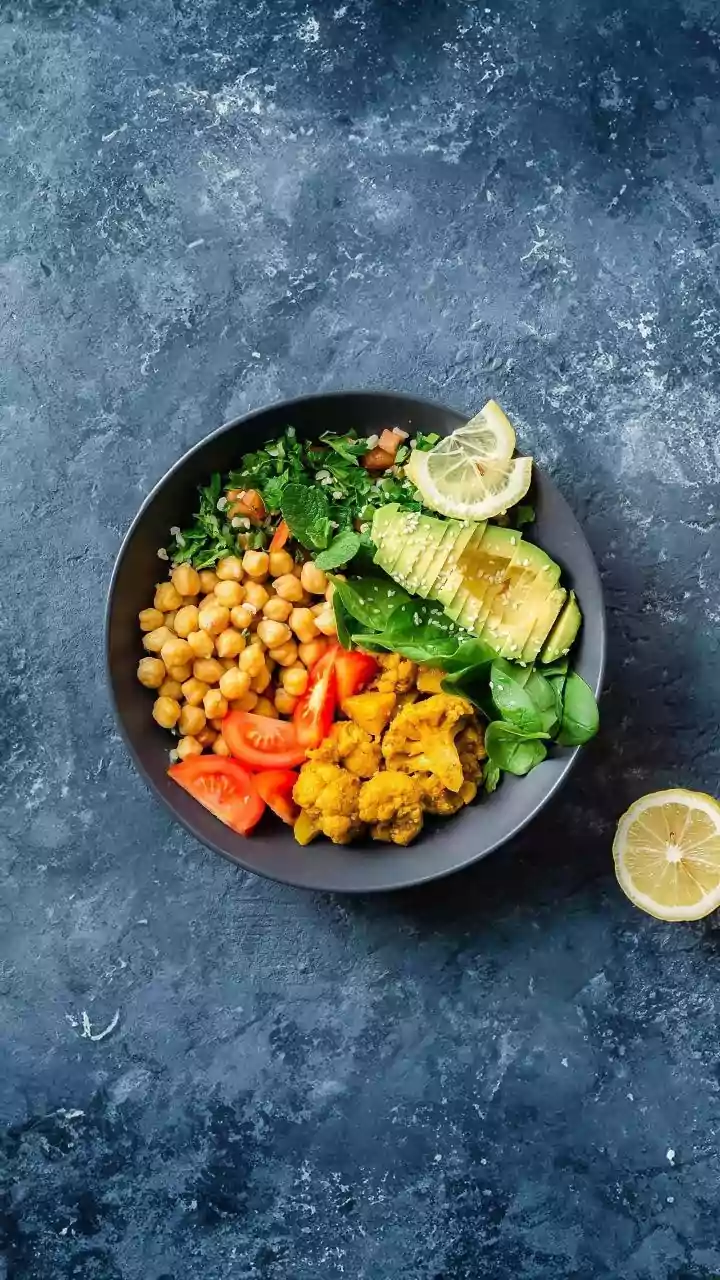
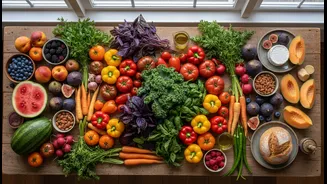
This is where the modern trend of 'nutrient-dense light eating' comes in. The focus is shifting from heavy, calorie-rich foods to meals that provide maximum nutritional value without taxing the digestive system. A nutrient-dense diet prioritises vitamins, minerals, antioxidants, and fibre. During the monsoon, this specifically means incorporating foods that boost immunity and are easy to digest. The goal isn't to eat less, but to eat smarter, providing your body with the tools it needs to stay healthy and energetic through the season. This approach avoids the pitfalls of street food and raw items, which carry a higher risk of contamination.
What's on the Modern Monsoon Plate?
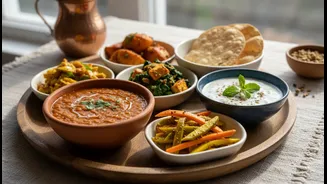
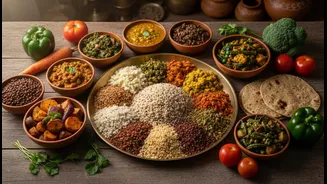
So, what does this new monsoon menu look like? Warm, freshly cooked meals are paramount. Think light and nourishing soups made from lentils and vegetables like bottle gourd (lauki), ridge gourd (turai), and pumpkin. Steamed dishes and light preparations like khichdi, made with aged rice and moong dal, are considered ideal as they are easy on the stomach. Immunity-boosting spices such as turmeric, ginger, garlic, and black pepper are generously used not just for flavour but for their powerful antimicrobial and anti-inflammatory properties. Probiotic-rich foods like homemade curd and buttermilk help maintain a healthy gut, which is crucial for a strong immune system. Hydration also gets an upgrade, with a focus on warm herbal teas and boiled water instead of cold drinks.
A Modern Twist on Ancient Wisdom
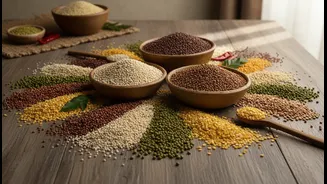
Interestingly, this modern dietary trend is not a rejection of tradition but a reinterpretation of it. The principles of eating light, warm, and freshly cooked food are central to Ayurveda's guidelines for the monsoon season, known as 'Varsha Ritucharya'. Ancient texts have long advised against heavy meals and recommended foods that pacify the 'Vata dosha', which is believed to be aggravated during this season. The focus on aged grains, specific vegetables, and warming spices in today's nutrient-dense diets aligns perfectly with these age-old recommendations. What we are seeing is a renewed appreciation for this ancient wisdom, now validated by a modern understanding of nutrition and immunology.