


The Soul of Odisha: Pattachitra Painting
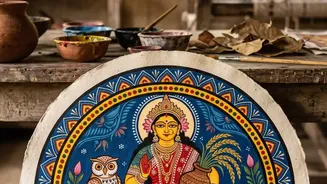
At the heart of Odisha's artistic identity is Pattachitra, a traditional, cloth-based scroll painting. The name itself comes from the Sanskrit words 'patta' (cloth) and 'chitra' (picture). Dating back over a thousand years, this art form is deeply connected
to the worship of Lord Jagannath in Puri. The themes are predominantly mythological, depicting stories from the Ramayana, Mahabharata, and tales of Radha and Krishna. What makes Pattachitra so captivating is its intricate detail, bold lines, and the use of natural colours derived from minerals, shells, and plant extracts. Traditionally, the master artist, usually a male member of the family, draws the outline, while women prepare the canvas, grind the colours, and fill in the vibrant hues.
Raghurajpur: A Village Where Every Home is a Studio
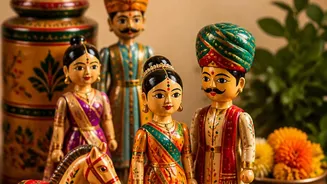
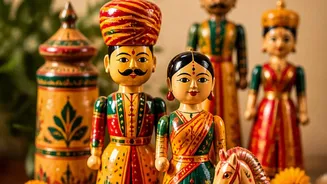
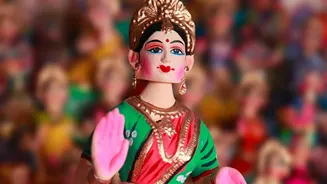
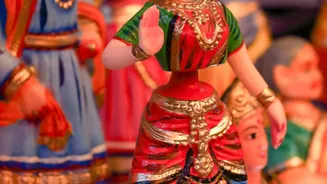
To truly experience Pattachitra, you must visit Raghurajpur. Located just 12-14 kilometres from Puri, this is India's first designated heritage crafts village. Walking through its two main streets is like stepping into an open-air art gallery. The walls of over 120 homes are adorned with colourful murals, and almost every family is engaged in creating art. Here, you can watch artisans as they work, learn about their process, and buy paintings directly from them. But Raghurajpur's creativity doesn't end with Pattachitra. The village is also a hub for other crafts like Talapatra Chitra (palm leaf engraving), stone carving, wood carving, and making masks and toys from papier-mâché and cow dung. The village is also the birthplace of the legendary Odissi dancer Guru Kelucharan Mohapatra, adding to its immense cultural significance.
Cuttack's Silver Lining: Tarakasi Filigree
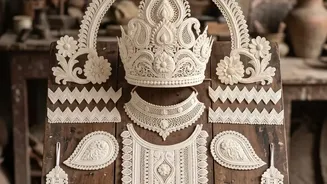
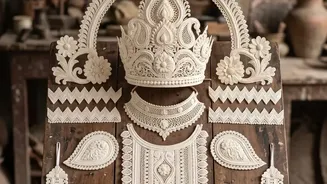
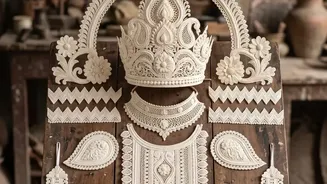
Journey to Cuttack, Odisha's 'Silver City', to witness the dazzling art of Tarakasi, or silver filigree. This 500-year-old craft involves drawing silver into fine threads and twisting them into delicate, lace-like patterns to create exquisite jewellery and decorative items. The process is meticulous: lumps of silver alloy are melted, pressed into thin wires, and then painstakingly shaped by hand. Tarakasi work has a special place in Odisha's culture, especially during Durga Puja, when magnificent backdrops and ornaments, known as 'Chandi Medha', are created for the idols. This craft has been granted a Geographical Indication (GI) tag, recognizing its unique heritage tied to the Cuttack region.
A Riot of Colour in Pipili: Appliqué Work
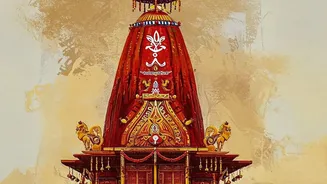
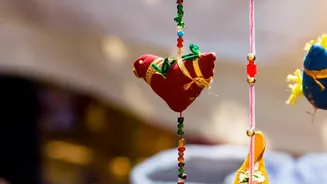
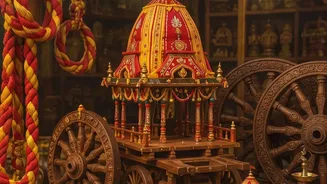
Located on the highway between Bhubaneswar and Puri, the town of Pipili is impossible to miss. Its streets are a kaleidoscope of colour, thanks to its famous appliqué work, locally known as 'Chandua'. This craft involves stitching pieces of coloured cloth onto a base fabric to create vibrant and intricate designs of animals, flowers, and gods. Like Pattachitra, Pipili's appliqué work has strong ties to the Jagannath Temple, where it is used to create canopies, banners, and umbrellas for the annual Rath Yatra festival. Today, you can find this beautiful craft on a wide range of items, from handbags and lampshades to cushion covers and wall hangings, making for perfect souvenirs.
More Treasures: Dhokra and Palm Leaf Etching
Beyond the major hubs, Odisha's artistic landscape is dotted with other unique traditions. Dhokra is an ancient metal casting craft using the lost-wax technique, which has been practiced for over 4,000 years. Practiced by the Dhokra Damar tribes, this art form produces beautiful brassware with a rustic, antique finish, including figurines, jewellery, and home décor items. Another fascinating art is Talapatra Chitra, or palm leaf etching, found prominently in Raghurajpur. Artists etch intricate mythological narratives onto dried palm leaves with a steel stylus. The etched grooves are then filled with a black paste made from lampblack, creating a stunning monochrome illustration. These folded manuscripts were one of ancient India's primary forms of record-keeping and storytelling.
Planning Your Artisan Trail
The best time to visit Odisha for a cultural tour is between October and March when the weather is pleasant. Many of these craft villages are conveniently located. Raghurajpur and Pipili can be easily visited as day trips from Puri or Bhubaneswar. When visiting, be respectful and always ask for permission before photographing artisans at work. Engaging directly with the artists not only gives you a deeper appreciation for their skill but also ensures your purchases support them and their communities directly. Consider participating in a workshop; many artisans in villages like Raghurajpur offer hands-on sessions where you can learn the basics of Pattachitra painting, making for a truly memorable experience.