



Planning Your Green Oasis
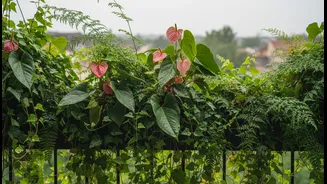
Before you buy a single seed, take a moment to observe your balcony. Every urban space is a unique micro-environment. Note how many hours of direct sunlight it receives; most vegetables need at least four to six hours to thrive. East-facing balconies
that get gentle morning sun are great for leafy greens, while south and west-facing spots are better for sun-loving plants like chillies. Also, consider wind, as high-rise apartments can experience strong gusts that dry out soil and damage taller plants. A simple assessment of your space's light, wind, and orientation will guide all your other decisions and set you up for success rather than disappointment.
Solving the Drainage Dilemma
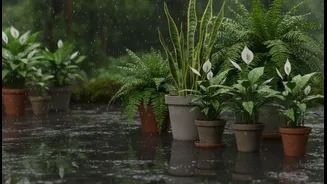
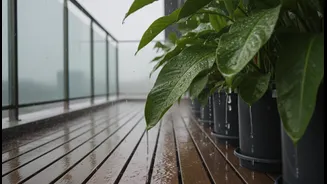
Proper drainage is the single most important rule of monsoon gardening. Heavy, continuous rain can quickly lead to waterlogged soil, which suffocates roots and causes them to rot. Every pot must have unobstructed drainage holes at the bottom. To prevent these holes from clogging with soil, you can place a piece of broken pottery over them before filling. A crucial step for balcony gardeners is to elevate your pots. Placing them on bricks, small stones, or dedicated plant stands allows excess water to escape freely and improves air circulation around the roots. During heavy rains, it’s also wise to remove any saucers or drip trays that can collect stagnant water, which not only harms plants but also creates a breeding ground for mosquitoes.
Sunlight and Soil Volume
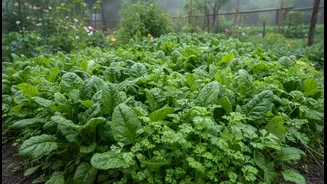
While the monsoon provides ample water, sunlight can be less reliable. The diffused light through cloud cover is often gentle on plants, but it's still important to place them where they can get as much light as possible. If your balcony is mostly shaded, focus on plants that tolerate these conditions, like mint, coriander, and spinach. Just as critical is pot size. Using a container that's too small is a common mistake that restricts root growth and causes the soil to dry out too quickly between rains. As a general rule, always opt for a larger pot when in doubt. For example, a 10- to 12-inch pot is suitable for chillies or bhindi, while leafy greens can grow in wider, shallower trays. Tomatoes and brinjals will be happier in larger containers, around 12 to 15 inches or more, giving their roots enough room to support a healthy harvest.
What to Grow This Season
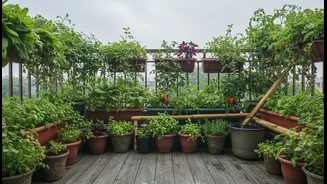
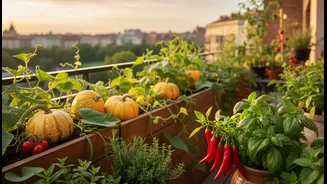
The monsoon is the perfect time to grow a variety of vegetables that flourish in humid, warm conditions. Leafy greens like spinach (palak) and amaranth (chaulai) grow quickly and can be harvested multiple times. Okra (bhindi) is another star performer, growing rapidly in the humidity. Herbs such as coriander and mint are also excellent choices and do well in pots. For those looking for quick results, radish is a great option, with some varieties ready to harvest in about a month. Green chillies and brinjal (eggplant) also adapt well to the season, provided they have good drainage. If you have space for climbers and a sturdy trellis, gourds like bottle gourd (lauki) are vigorous growers during the monsoon.
Care and Maintenance
Successful monsoon gardening is less about constant watering and more about smart observation. Only water your plants when the top inch or two of soil feels dry, as the rain will handle most of the work. High humidity makes plants susceptible to fungal diseases like powdery mildew. To combat this, ensure good air circulation by leaving adequate space between pots and consider a preventive spray of neem oil solution every couple of weeks. Keep an eye out for pests, which are also more common in damp conditions. Prune any yellowing leaves or infected parts immediately to prevent problems from spreading. With these simple care routines, you can keep your micro-garden healthy and productive throughout the season.