
The Iconic Panorama of Padar Island
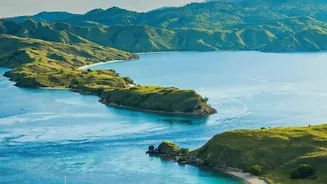
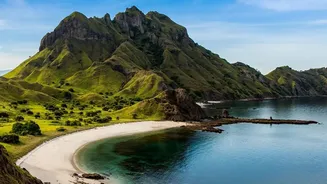
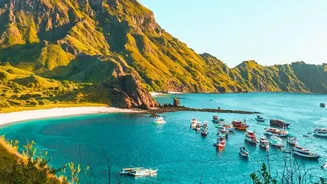
Part of the Komodo National Park, Padar Island is less a single destination and more a breathtaking viewpoint that has become one of Indonesia's most photographed landscapes. The main draw is a moderately challenging 30-45 minute hike to its summit. From
the peak, the reward is a sweeping vista of three distinct bays, each with different coloured sand—white, black, and a soft pink hue from crushed coral. This tri-coloured beach phenomenon, set against jagged, savannah-covered hills and the vast Flores Sea, creates a prehistoric and almost surreal scene. Unlike its neighbouring islands of Komodo and Rinca, Padar is not primarily for spotting dragons but for soaking in a landscape of immense scale and raw beauty. Being here at sunrise or sunset, when the light turns the hills golden, is an unforgettable experience in tranquility.
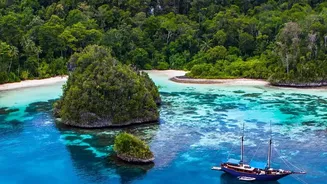
Raja Ampat's Labyrinth of Karsts
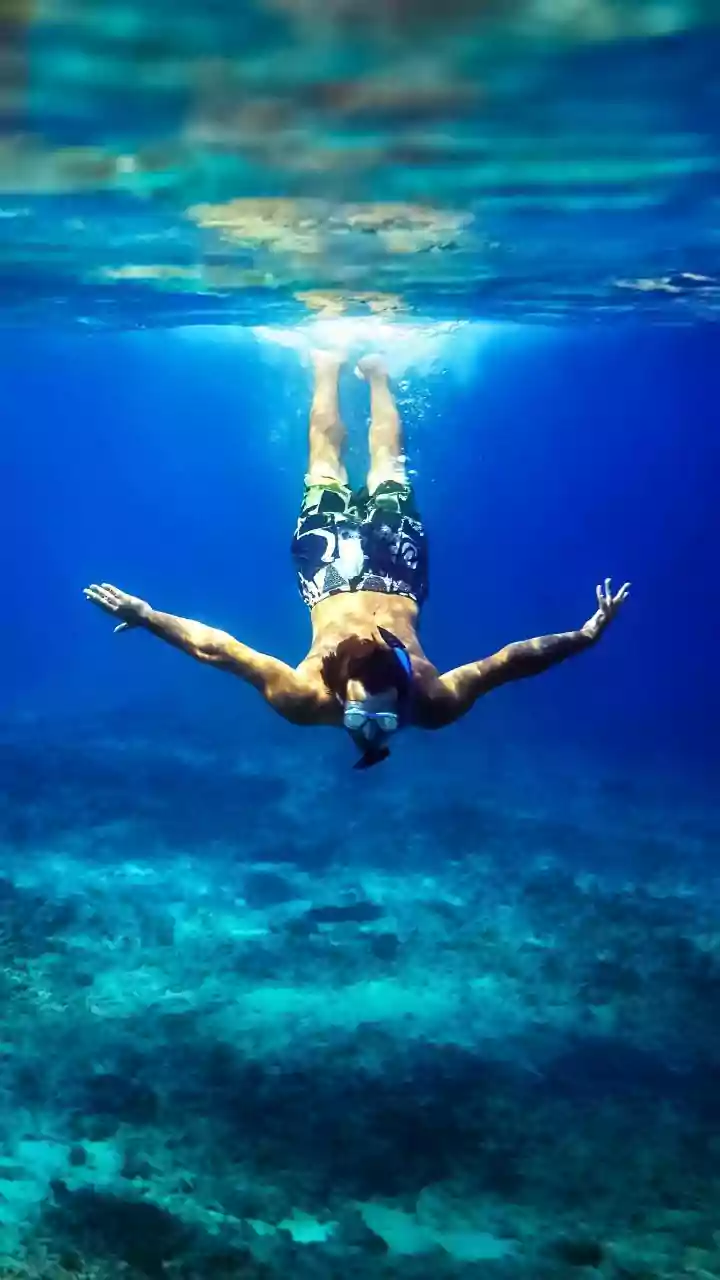
Often called the 'crown jewel' of Raja Ampat, the Wayag island group is the definition of a remote paradise. Here, hundreds of jungle-clad limestone karsts—steep, dramatic hills—jut vertically from calm, impossibly turquoise waters. The view is a mesmerizing labyrinth of hidden lagoons and channels, best appreciated after a steep 30-minute climb to a viewpoint on Pindito Peak. From this vantage point, you can see the sheer scale of this untouched marine wilderness. The area is accessible primarily by liveaboard boat, which preserves its serene, exclusive feel. Below the surface, the waters teem with some of the most diverse marine life on the planet, making it a haven for divers and snorkelers who can explore vibrant coral gardens and swim with a vast array of fish. Kayaking silently through the lagoons between these ancient karsts offers a profound sense of peace and discovery.
Lombok's Perfect Crescent at Mawun Beach
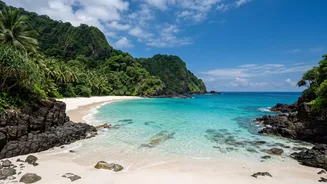
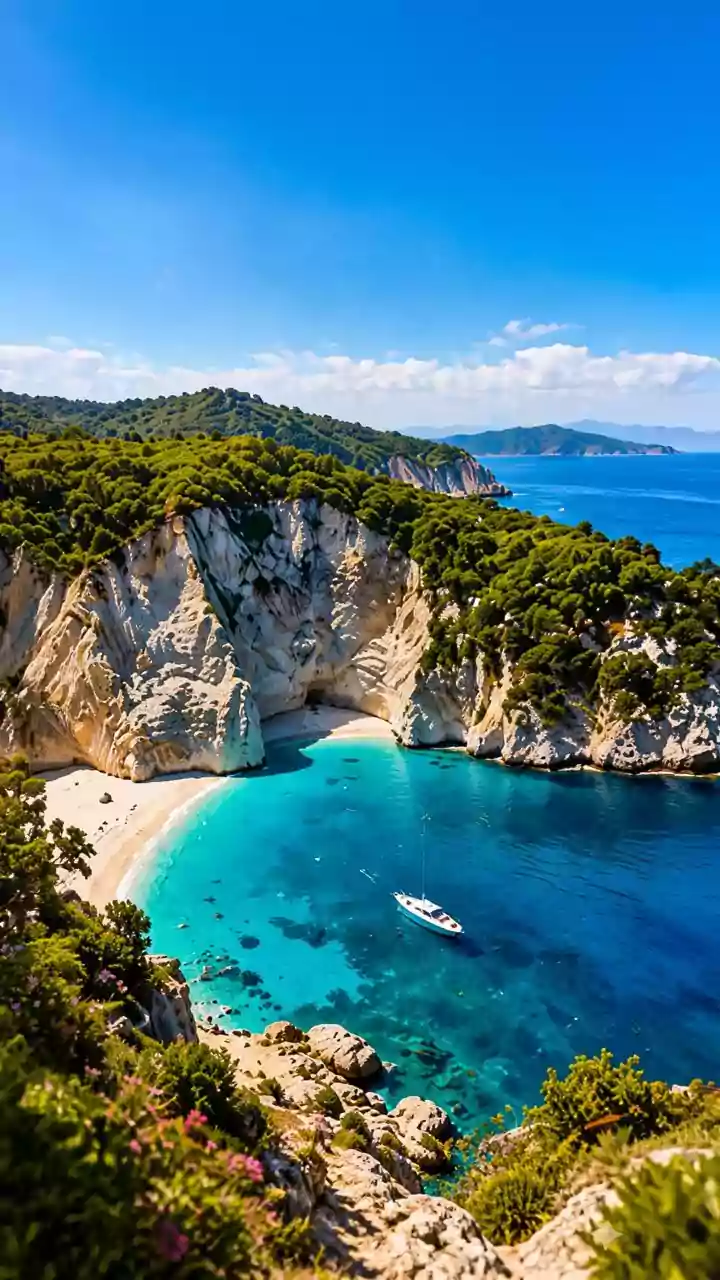
Just a 20-minute scooter ride west of the bustling Kuta in Lombok, Mawun Beach offers a completely different atmosphere. This near-perfect horseshoe bay is protected by two large headlands that curve into the ocean, creating a calm, swimmable lagoon of clear, turquoise water. The vibe here is deeply relaxed; there are no roaring jet skis or loud beach clubs, only a few local warungs selling fresh coconuts and grilled fish. The beach itself is a stretch of soft white sand, and the hills framing the bay are perfect for a short hike to gain a panoramic perspective of the coastline. It remains noticeably quieter than its more famous neighbours, offering visitors a sense of having found a secret spot where the main activities are swimming in the gentle water and watching the colours change as the sun sets behind the hills.
The Rugged, Untamed Coast of Sumba
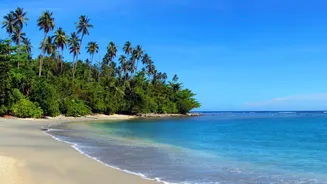
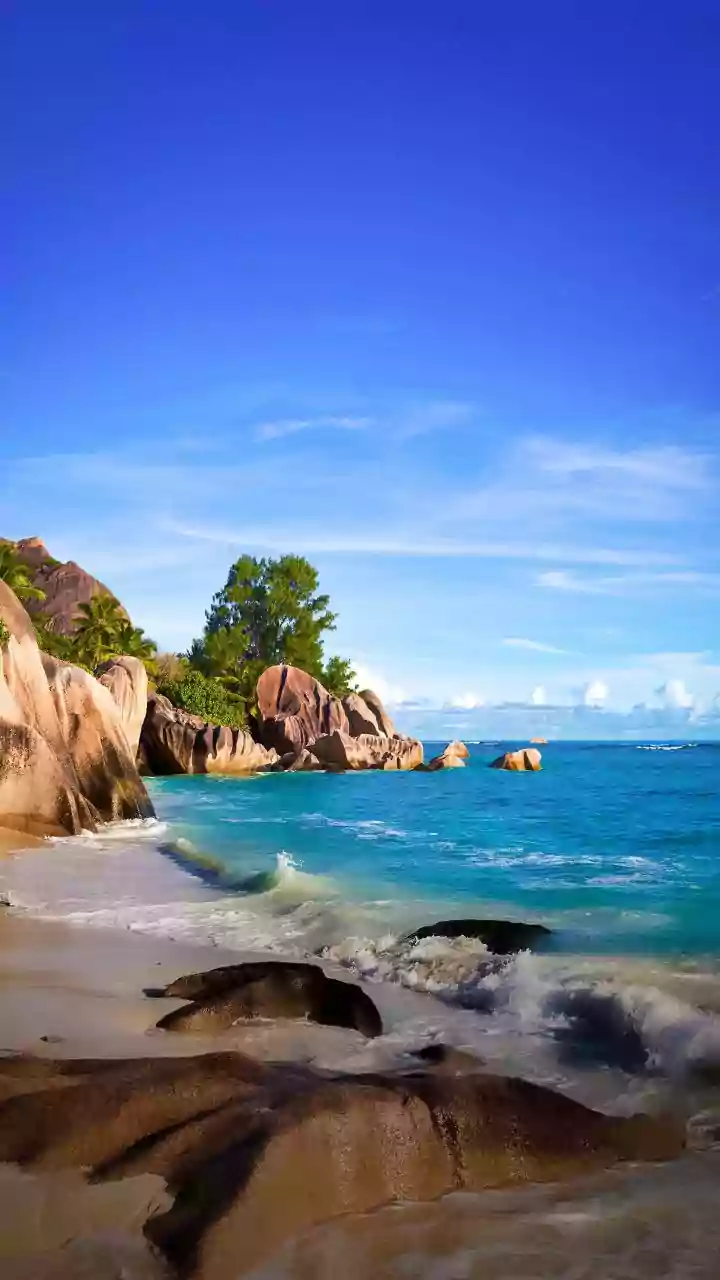
Sumba offers a vision of Indonesia that feels lost in time, defined by a unique culture and a coastline of raw, undeveloped beauty. This is an island of rolling savannah-like hills that drop dramatically to the sea, creating a series of secluded and often empty beaches. The southern coast is particularly known for its powerful surf breaks and towering limestone cliffs that frame pristine stretches of sand. Beaches like Mandorak are framed by dramatic rock formations, while others surprise visitors with a pinkish hue to the sand. Unlike a typical resort island, Sumba’s appeal lies in its wildness and authenticity. Exploring its coastline is an adventure in itself, rewarding travelers with quiet coves, dramatic vistas, and the feeling of being far from the modern world.