









A Modern Lens on an Ancient Tale
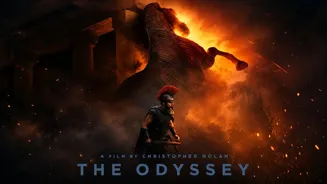
Following the monumental success of 'Oppenheimer', director Christopher Nolan is turning his lens to Homer's epic poem, with Matt Damon cast as the wandering king of Ithaca. The project, slated for a July 2026 release, promises a grand-scale, realistic
interpretation of Greek mythology, filmed entirely in IMAX. Nolan's involvement is particularly intriguing given his reputation for exploring complex, morally grey protagonists. From the burdened hero of 'The Dark Knight' to the brilliant but haunted J. Robert Oppenheimer, Nolan's films excel at dissecting the men behind the myths. This has naturally led to a re-examination of Odysseus, a character who is far more complicated than his heroic reputation might suggest.
The Case for the Hero
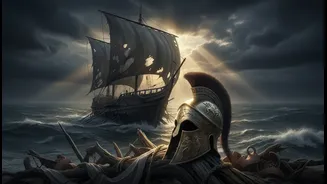
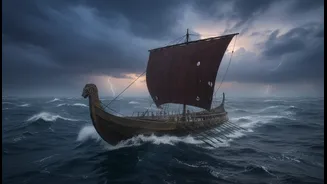
For centuries, Odysseus has been lauded as the archetypal hero. He is the embodiment of 'metis', or cunning intelligence, a value highly prized in ancient Greece. It was his intellect that devised the Trojan Horse, ending a decade-long war. His ten-year journey home is a testament to his resilience and determination, as he overcomes monstrous foes like the Cyclops Polyphemus, navigates the deadly songs of the Sirens, and even travels to the underworld. He is a courageous warrior, a devoted husband and father desperate to return to his family, and a king who ultimately restores order to his kingdom by vanquishing the insolent suitors who have overrun his home. In the classical sense, he achieves greatness and embodies the ideals of his culture.
The Argument for the Anti-Hero
However, a closer reading reveals a much darker character. Odysseus is a consummate liar and master of deceit. His most celebrated flaw is his hubris, or excessive pride. After blinding Polyphemus, he cannot resist shouting his real name, an act of arrogance that brings the wrath of the sea god Poseidon upon him and his crew, sealing their doomed journey. Critics point out that Odysseus is a deeply flawed leader whose entire crew perishes due to his decisions and recklessness. He is also unfaithful, spending years with the goddesses Calypso and Circe while his wife Penelope faithfully awaits his return. When he finally gets home, his revenge is not a simple act of justice but a brutal massacre of the suitors and the summary execution of household maids he deems disloyal.
A Perfect Nolan Protagonist
This very complexity makes Odysseus a perfect fit for Nolan’s universe. Like many of Nolan's central figures, Odysseus is a man whose great intellect and skill come with a heavy moral cost. His journey is not just a physical one but an existential crisis. Is he a noble leader, or a selfish man whose ambition and pride lead to ruin for everyone but himself? This duality is the hallmark of the modern anti-hero, a character type that has become a staple of contemporary film and television. Audiences are increasingly drawn to flawed protagonists who challenge our notions of good and evil, from Tony Soprano to Walter White. They reflect a world where morality is rarely black and white.
Why We Question Heroes Now
The renewed debate around Odysseus isn't just about a 3,000-year-old poem; it's about us. Our modern appetite for deconstruction means we are no longer satisfied with simple tales of righteous heroes. We want to understand their flaws, their motivations, and the collateral damage of their heroism. We question what it means to be a hero in a complicated world. The cultural context of ancient Greece, which celebrated cunning and a warrior's ruthlessness, is different from our contemporary values. By placing a character like Odysseus under a modern, cinematic microscope, we are forced to confront how our definition of heroism has evolved.