





The Myth of the Daily Watering
For many new plant parents, the instinct is to water balcony plants every single day, especially during warmer months. This is often seen as the gold standard of plant care. However, overwatering is one of the most common reasons container plants fail.
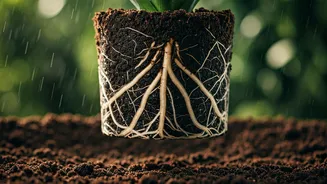
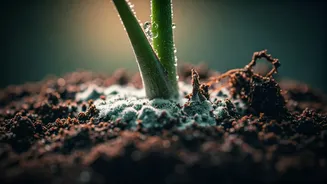
Unlike plants in the ground, potted plants have limited space. When the soil is constantly saturated, the air pockets that roots need to breathe are filled with water. This can lead to root rot, a condition where roots suffocate, turn mushy, and can no longer absorb nutrients or water, ironically causing the plant to look wilted and thirsty even when sitting in soggy soil. The goal is to provide consistent moisture, not constant wetness.
The Finger Test: Your Best Tool
Instead of watering by the calendar, learn to listen to your plants. The most reliable method is the simple finger test. Insert your index finger about two inches into the soil. If it feels dry at that depth, it's time to water. If it feels cool and moist, you can wait another day or two. The surface of the soil can be deceiving; it often dries out much faster than the soil around the roots where it matters most. Over time, you can also learn to judge by weight; a pot with dry soil will feel noticeably lighter than one that is well-watered.
Not All Pots Are Created Equal
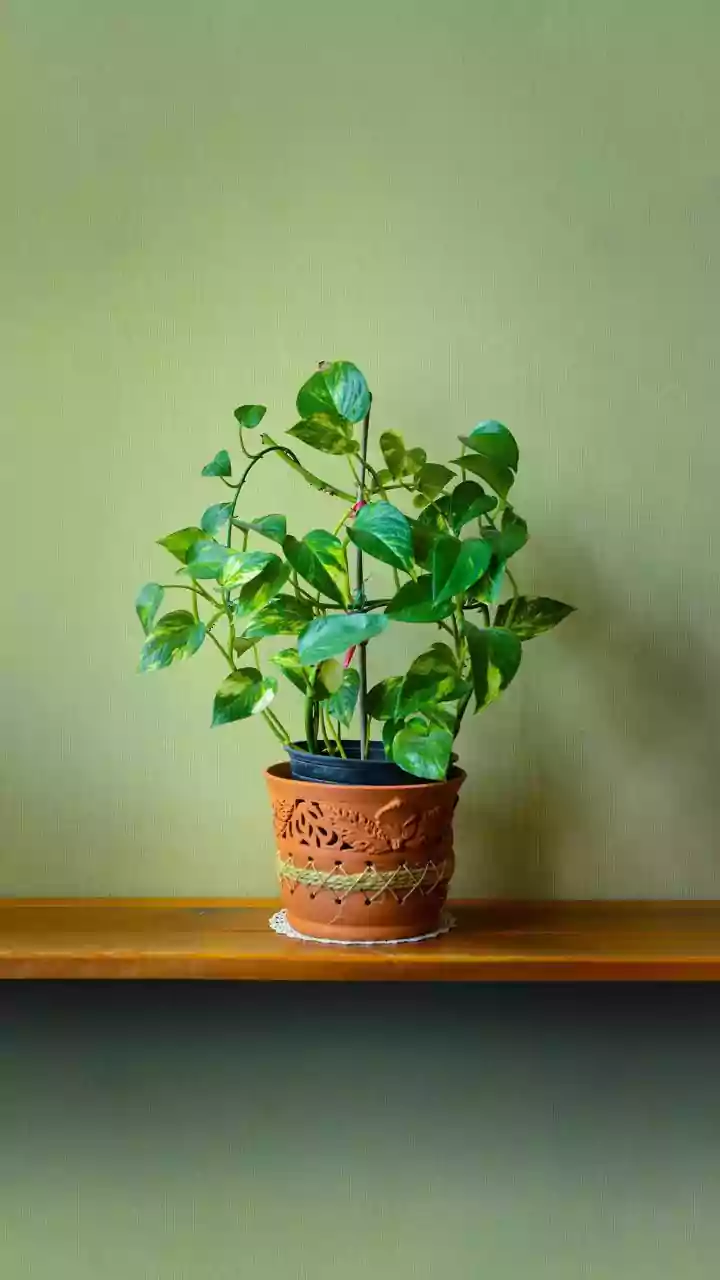
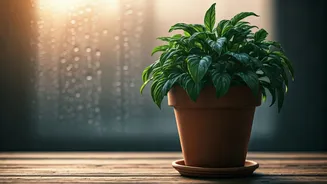
The type of container you use has a major impact on how often you need to water. Terracotta or unglazed clay pots are porous, meaning they allow water to evaporate through their walls. This helps the soil dry out faster and is a great choice for drought-tolerant plants like succulents or for people who have a tendency to overwater. On the other hand, plastic, glazed ceramic, or metal pots are non-porous and retain moisture for much longer. A plant in a plastic pot will need watering less frequently than the exact same plant in a terracotta pot of the same size. Smaller pots also dry out much faster than larger ones because they hold a smaller volume of soil.
Location and Weather Matter
Your balcony has its own microclimate that influences your watering routine. A south-facing balcony that gets intense, direct sun all day will cause pots to dry out very quickly. Conversely, a shaded, north-facing balcony will keep soil moist for longer. Wind is another critical factor, as it strips moisture from both the leaves and the soil surface, accelerating dehydration. During hot, dry, and windy spells, you may need to check your plants daily, while during cooler, calmer, or monsoon seasons, you can scale back significantly.
Overwatered vs. Underwatered: Reading the Signs
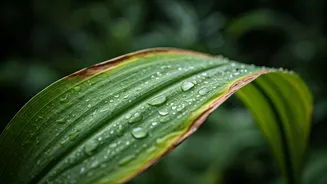
Confusingly, the symptoms for both overwatering and underwatering can look similar, often involving wilting or yellowing leaves. However, there are key differences. Underwatered leaves tend to feel dry, crispy, and brittle, and the browning often starts at the leaf edges. Overwatered leaves, by contrast, often feel soft and limp. The yellowing might be more widespread, and the stems may feel mushy at the base. If you suspect overwatering, check the roots; healthy roots are firm and pale, while rotting roots are dark, soft, and may smell unpleasant.
The Right Way to Water
When you do water, do it thoroughly. Instead of giving a small splash every day, it's better to water deeply and less frequently. Water the soil directly at the base of the plant until you see excess water running out of the drainage holes at the bottom of the pot. This ensures the entire root ball is saturated and also helps flush out any accumulated salts from fertilisers. Always empty the saucer under the pot after a few minutes to ensure the plant isn't left sitting in stagnant water. The best time to water is in the early morning, which allows the plant to absorb moisture before the heat of the day and lets foliage dry, reducing the risk of fungal diseases.