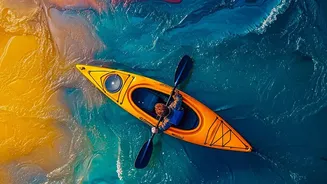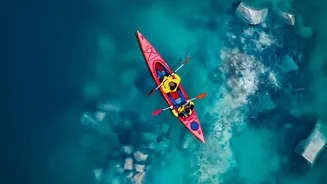




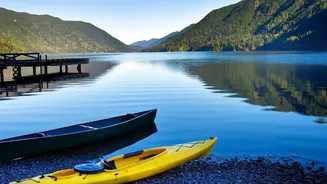
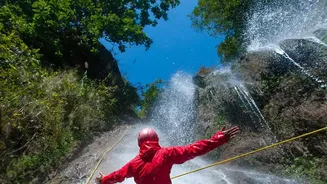
Understanding the Monsoon's Power
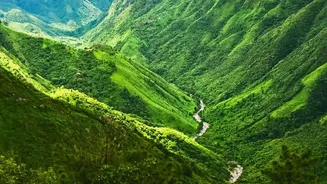
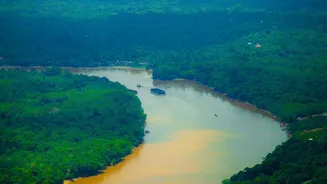
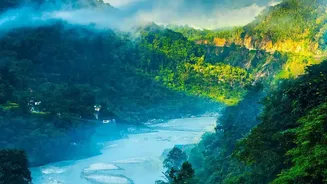
During the monsoon, Meghalaya's rivers, such as the legendary Umngot, are not the placid, clear streams seen in winter. They become raging, chocolate-brown torrents, with water levels that can rise in minutes, creating powerful currents and whirlpools.
This is not kayaking for the faint of heart; it's a Class IV or V challenge, the highest difficulty for recreational paddling. The primary dangers are not just the rapids, but also flash floods, which can turn a manageable gorge into a deadly trap, and cold water, which can lead to hypothermia even in a tropical climate. Local adventure companies, often run by Khasi and Jaintia youth with deep knowledge of the terrain, emphasize that respecting this power is the first step in any kayaker's journey.
Classroom Before the Canyon
Before a paddle even touches the water, preparation begins with a crucial theory session. Guides and rescue teams drill travellers on the fundamentals of river hydrology and risk assessment. This isn't a boring lecture; it's a vital briefing on how to read the river's language. Travellers learn to identify hazards like 'strainers' (submerged trees that water can pass through but a person can't) and 'undercuts' (rocks carved out by the current). They are taught communication protocols, including essential hand signals, because a roaring river makes verbal commands useless. This initial training builds a foundation of awareness, shifting the mindset from a passive passenger to an active, responsible member of the expedition team. The goal is to ensure every participant understands the risks and their role in mitigating them.
Controlled Drills and Essential Skills
The next phase moves to a controlled water environment, like a calm section of a river or a large pool. Here, under the watchful eyes of instructors, travellers master the most fundamental safety skill: the 'wet exit,' or how to escape from a capsized kayak. They practice basic but powerful paddle strokes designed for turbulent water and learn self-rescue techniques. This is where muscle memory is built. The repetitive drills ensure that if a kayaker flips in a rapid, their response is calm and automatic, not panicked. This stage is all about building confidence in the equipment and in one's own ability to handle an unexpected immersion, turning a potentially frightening experience into a manageable one.
Live Scenarios and River Running
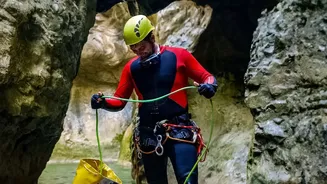
Once basic skills are locked in, teams take travellers onto a moving river, starting with gentler sections. This is where theory meets reality. Guides lead the group, pointing out safe lines through rapids and demonstrating how to use the river's features to their advantage. Travellers practice 'ferry gliding' across currents and catching 'eddies' (calm spots behind rocks) to rest and regroup. The training also includes what to do when someone else capsizes. Teams practice using 'throw bags'—ropes stuffed into a bag—which are a cornerstone of swift-water rescue. This hands-on experience, guided by experts who know the river's every mood, is crucial for developing the judgment needed for more advanced canyons.
The Right Gear and an Expert Guide
Professional outfitters leave nothing to chance with equipment. Every traveller is fitted with a Personal Flotation Device (PFD), a helmet, and often a wetsuit or drysuit to protect against cold water. Before every trip, guides conduct thorough checks on all equipment, from the kayaks to the paddles and safety gear. In India, organizations like the Adventure Tour Operators Association of India (ATOAI) have worked with the Ministry of Tourism to create safety guidelines that cover equipment, guide qualifications, and emergency procedures. Choosing a certified operator who adheres to these standards is non-negotiable. These guides are not just instructors; they are seasoned professionals, often with certifications in mountaineering and life-saving techniques, who make the final call on whether conditions are safe to paddle.