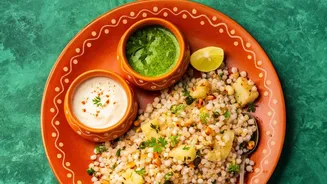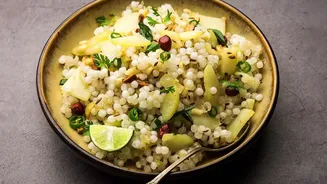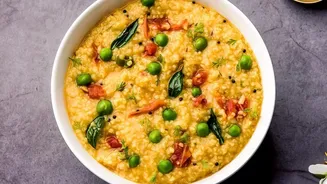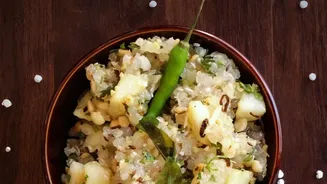


In the world of Indian comfort food, few dishes are as beloved and trusted as Dalia and Khichdi. Both are hailed as wholesome, easy-to-digest meals, but how do they stack up against each other when we take a closer look at their nutrition?
The Tale of Two Comfort Bowls
Dalia, also
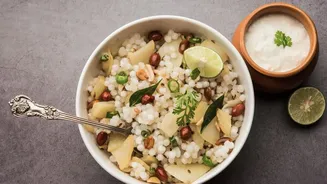
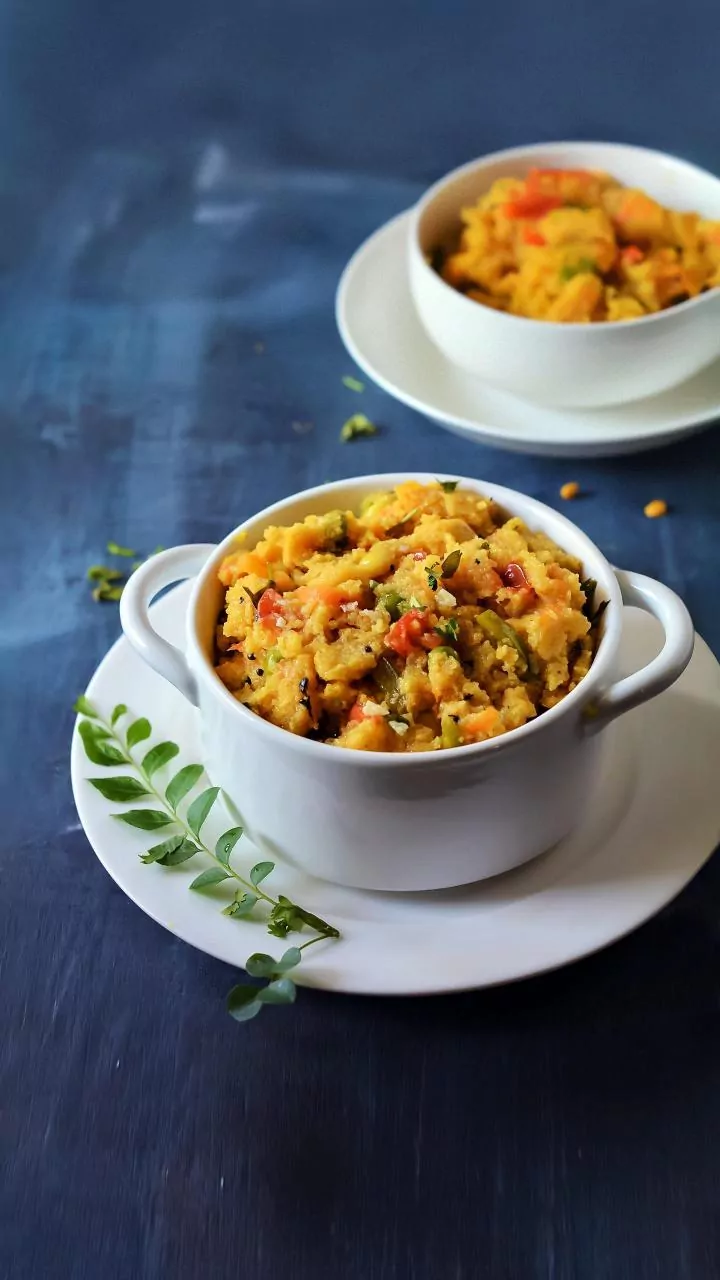
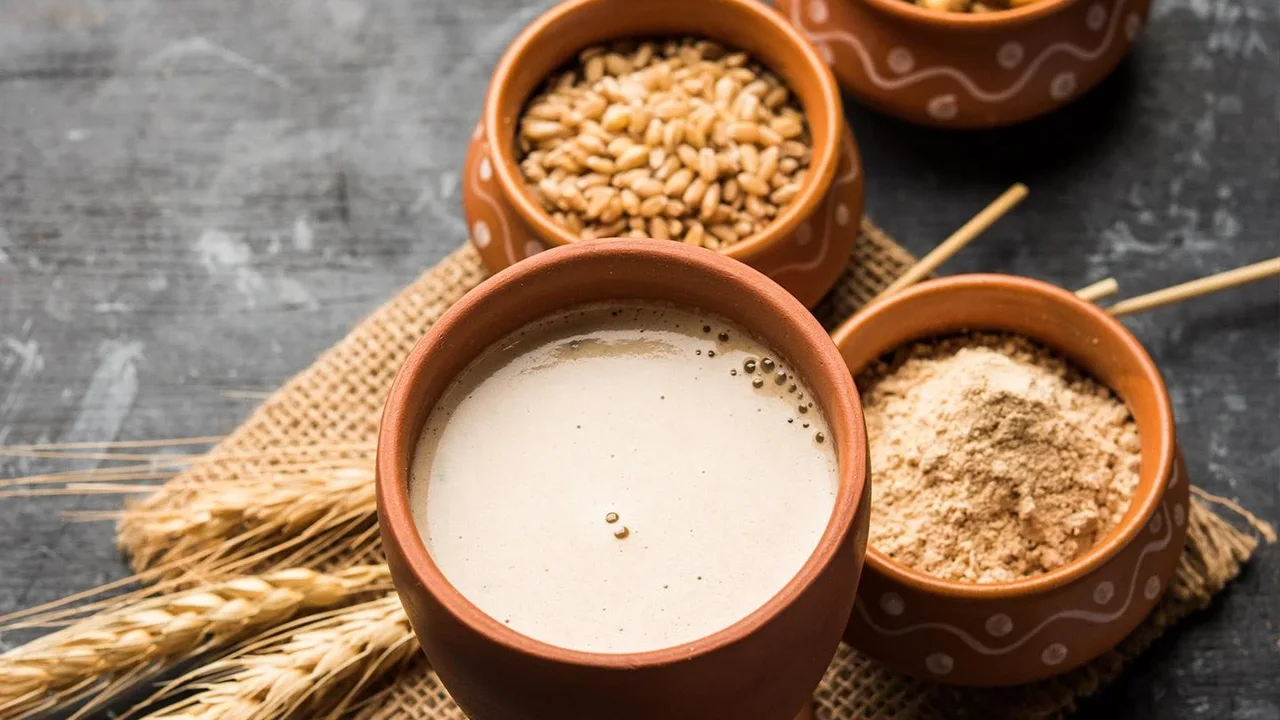
known as broken or cracked wheat, is a whole grain celebrated for its versatility and health benefits. It's made by coarsely grinding whole wheat kernels, which ensures it retains its fibre-rich bran and nutrient-packed germ. It can be prepared sweet with milk or savoury as a porridge or upma. Khichdi, on the other hand, is a classic one-pot meal traditionally made from rice and lentils, most commonly moong dal. It’s a cornerstone of Ayurvedic cooking, revered for being gentle on the stomach and providing balanced nutrition. While both are staples, their nutritional profiles differ due to their primary ingredients: whole wheat versus a rice-and-lentil combination.
Calorie and Macronutrient Showdown
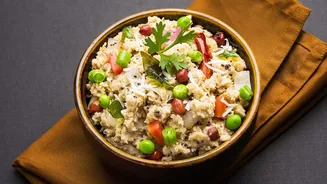
When it comes to weight management, calories are often the first thing people check. Dalia generally has a slight edge here. A bowl of cooked vegetable dalia khichdi can contain around 170-200 calories. In contrast, a similar-sized bowl of traditional moong dal khichdi is typically higher, ranging from 200 to 260 calories, depending on the amount of ghee and the rice-to-dal ratio. Dalia, being a whole wheat product, is packed with complex carbohydrates that provide sustained energy. Khichdi combines carbohydrates from rice with plant-based protein from lentils. The combination of rice and dal in khichdi creates a more complete protein profile by supplying amino acids that each ingredient lacks on its own.
The All-Important Fibre Factor
Fibre is crucial for digestive health, blood sugar control, and feeling full, and this is where Dalia truly shines. As a minimally processed whole grain, dalia is exceptionally high in dietary fibre. A 100-gram serving can contain about 10-12 grams of fibre. This high fibre content slows digestion, which helps prevent overeating and promotes regular bowel movements. While khichdi also provides fibre, especially from the lentils, the total amount is generally lower than in dalia, particularly if made with white rice. A serving of moong dal khichdi might offer around 3-4 grams of fibre. To boost khichdi's fibre content, you can use brown rice or millets instead of white rice and add plenty of vegetables.
Glycemic Index and Blood Sugar
For individuals managing diabetes or just trying to avoid blood sugar spikes, the glycemic index (GI) is a key metric. Dalia has a low GI, typically ranging from 41 to 55. This means it releases sugar into the bloodstream slowly, providing stable energy and helping to control blood sugar levels. The GI of traditional khichdi can be more variable. While the lentils help lower the overall GI, using white rice can result in a moderate GI of around 50–60. Opting for a dalia–based khichdi is an excellent way to ensure a low–GI meal that is both satisfying and beneficial for blood sugar management.
Digestibility and Recovery
Both meals are famously easy to digest, which is why they are often recommended during illness or recovery. Khichdi, particularly the simple moong dal version, is a staple in Ayurvedic practices for cleansing and healing the gut. The soft–cooked texture of both rice and lentils requires minimal digestive effort. Similarly, dalia is often suggested for those with sensitive stomachs, children, and the elderly. When cooked into a soft porridge, it becomes exceptionally gentle on the digestive system. For ultimate digestibility, moong dal khichdi often has a slight advantage because lentils are typically easier to break down than whole wheat for some individuals.
The Verdict: Which Is Right for You?
So, which bowl should you choose? The answer depends on your health goals. For Weight Loss and Diabetes Management: Dalia is the clear winner due to its lower calorie count, higher fibre content, and lower glycemic index. It keeps you fuller for longer and helps maintain stable blood sugar. For Muscle Growth and Repair: Khichdi, with its combination of rice and lentils, offers a more complete protein source, which is beneficial for muscle repair and growth, especially for vegetarians. For Easy Digestion and Recovery: Both are excellent, but traditional moong dal khichdi is often considered the gold standard for a gentle, healing meal that is easy on the gut.