



What is a Flexible Den?
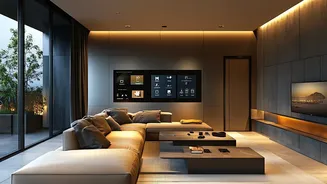
Forget the dusty, forgotten dens of the past. Today's version is a 'flex room'—a versatile space designed without a single, fixed purpose. It’s an adaptable area that can serve as a home office by day, a guest room by night, a yoga studio in the morning,
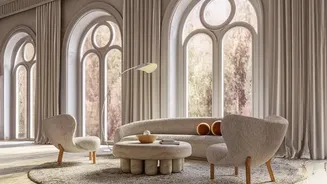
or a family media room on weekends. This isn't about having a huge bonus room; it can be a small spare bedroom, a large alcove, or any underutilised area you can reclaim. The core idea is making every square foot of your home work harder and smarter to fit your evolving lifestyle. This shift reflects a broader trend away from rigid, single-use rooms and toward spaces that can grow and change with a family's needs.
The 'Why' Behind the 2026 Comeback
The resurgence of the den is directly linked to major lifestyle shifts over the past few years. The pandemic, in particular, forced us to see our homes as multi-functional hubs for work, school, and leisure. This experience highlighted the limitations of open-plan living and created a new appreciation for privacy and dedicated zones. As many people continue to work from home, at least part-time, the need for a dedicated, quiet workspace has become a priority. A flexible den offers a solution that doesn’t require sacrificing a full bedroom. It’s a response to a collective desire for homes that are not just beautiful, but also highly functional and supportive of our well-being.
From Home Office to Hobby Hub
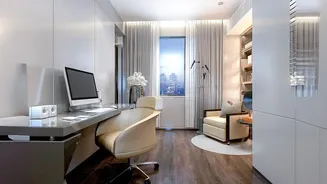
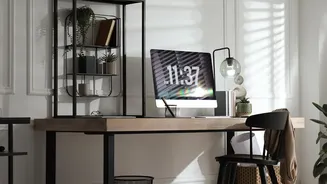
The beauty of a flexible den lies in its limitless possibilities. The most common use is a hybrid home office that can be easily transformed when the workday is done. Think a desk that folds away or a partition that hides your work setup. Other popular ideas include creating a dedicated hobby room for painting, crafting, or music. It can become a quiet reading nook, a meditation and wellness space, or a high-tech entertainment zone for movies and gaming. For families, it can serve as a playroom that contains the clutter, or a study area for older children needing a quiet place to focus. The key is to identify your household's primary needs and design a space that can meet two or three of them.
Smart Furniture is Your Best Friend
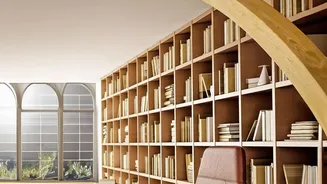
The key to a successful flexible den is multi-functional furniture. A high-quality sleeper sofa or a modern Murphy bed can instantly turn an office or lounge into a comfortable guest room. Modular shelving units allow you to customise storage for different needs, while nesting tables and foldable desks can be moved or stored away to free up floor space. Look for ottomans with hidden storage and coffee tables that lift to become dining or work surfaces. This type of adaptable furniture is what allows the room to transition seamlessly from one function to another, making the flexibility practical rather than chaotic.
Defining the Space Without Walls
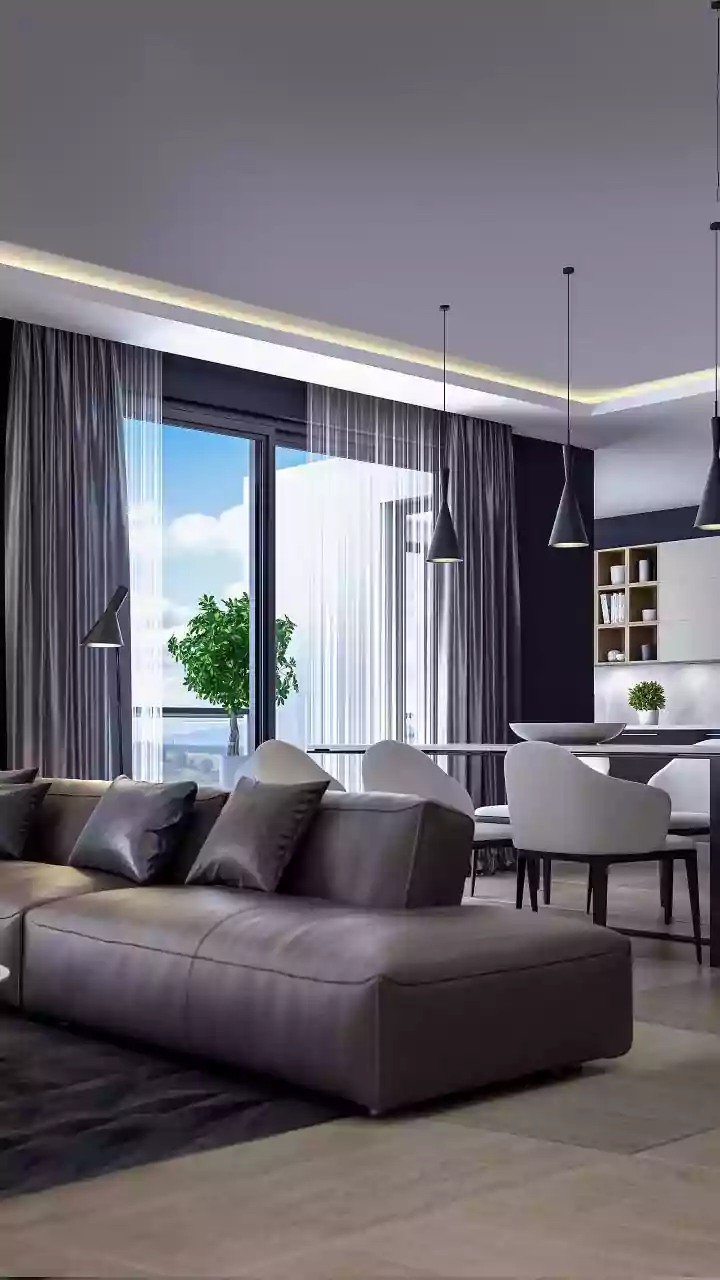
In many homes, a flexible den isn't a separate room but part of a larger, open-plan area. You can still create the feeling of a distinct zone without building walls. Use a large area rug to visually anchor the den space. Strategic lighting—like a floor lamp in a reading corner or task lighting over a desk—can define different activity zones. Movable partitions, such as stylish screens or open-backed bookshelves, can create a sense of separation and privacy when needed, while still allowing light and air to flow. Even a distinct paint colour on an accent wall can effectively mark the space as its own unique area.