


What 'Bean-to-Bar' Really Means
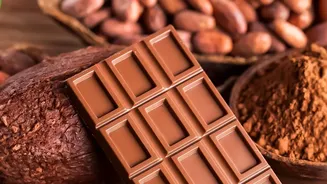
You’ve likely seen the term “bean-to-bar” on beautifully wrapped chocolate bars, but it’s more than just a marketing buzzword. Unlike mass-market manufacturers who often buy processed chocolate liquor, bean-to-bar artisans control every step of the process.
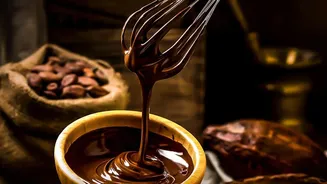
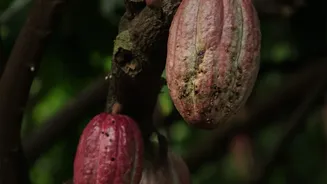
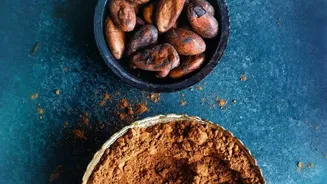
They source cacao beans directly, often from single farms, before roasting, grinding, conching (a process of intense mixing to develop flavour), and tempering them into a finished bar. This meticulous oversight allows chocolatiers to highlight the unique, intrinsic flavours of the cacao bean itself, much like a winemaker expresses the character of a specific grape. It’s a movement away from generic sweetness and towards a nuanced appreciation of origin, process, and taste.
The Terroir of Southern India
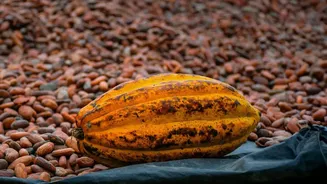
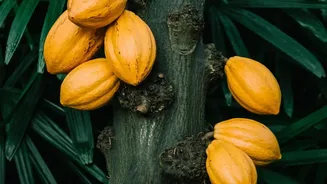
While India produces less than 1% of the world's cocoa, its cultivation is concentrated in the southern states of Kerala, Karnataka, Andhra Pradesh, and Tamil Nadu. Cacao was first introduced here in the 1790s, but commercial farming took off in the 1960s. The region’s tropical climate and fertile soil create a unique terroir. Often grown as an intercrop alongside coconut palms, pepper vines, bananas, and nutmeg trees, the cacao beans absorb subtle flavour notes from their surroundings. Beans from Karnataka might have nutty or spicy notes, while those from Kerala can be more complex and fruity. This diversity gives Indian craft chocolate a distinctive character that sets it apart on the world stage.
Pioneers of the Craft
Several brands have become torchbearers for this movement. Paul and Mike, based in Kochi, is known for its playful yet sophisticated flavour combinations, infusing chocolate with ingredients like jamun, sitaphal (custard apple), and even salted capers. Hyderabad’s Manam Chocolate has gained international acclaim, winning numerous accolades at the Academy of Chocolate Awards. The brand works with farmers to showcase single-estate cacao from regions like West Godavari, treating each harvest as a unique vintage. Then there are purists like Mason & Co in Auroville and Soklet from Tamil Nadu, one of India's few "tree-to-bar" makers that grows its own cacao. These brands focus on minimalist processing to let the raw quality of their organically grown South Indian beans shine through.
From Local Farms to Global Awards
For years, Indian consumers were conditioned to see imported chocolate as the gold standard. Local artisanal brands faced the challenge of changing this perception. Their strategy has been twofold: focusing on quality and embracing a distinctly Indian identity. By working directly with farmers, they not only ensure higher quality beans but also promote fair and sustainable agricultural practices. At the same time, they are not shy about using local flavours, creating products like chai biscuit or Gondhoraj lime-infused chocolates that resonate with the domestic palate. This approach is paying off. Indian brands like Manam, Paul and Mike, and Bon Fiction are now regulars on the winners' lists at prestigious global competitions, proving they can compete with—and even beat—the world's best.
Redefining the Luxury Market
The success of these chocolatiers is part of a broader trend of premiumisation in India. Consumers are increasingly willing to pay for quality, transparency, and a good story, whether in coffee, spirits, or chocolate. The artisanal chocolate segment is growing significantly faster than the mass market. These brands are securing shelf space in high-end retail stores and becoming sought-after gifts, a space once reserved for foreign labels. They are demonstrating that luxury is not about origin, but about craftsmanship. They are not just making chocolate; they are building a new narrative for Indian cacao, one where it is celebrated for its unique identity and exceptional quality.