






Start with the Fridge: The Leftover Audit
The first and most crucial step is to confront the refrigerator. Begin by pulling out all leftover containers. Give everything a quick inspection. Anything that looks or smells off must be tossed. As a general rule, most leftovers should be consumed within
three to four days for safety and quality. Be ruthless with old takeout containers and anything unidentifiable. Consolidate smaller portions into one container to save space. This initial purge not only prevents foodborne illness but also clears space for incoming groceries and helps you take stock of what you actually have, reducing food waste in the long run.
Pantry Patrol: Taming Open Packages
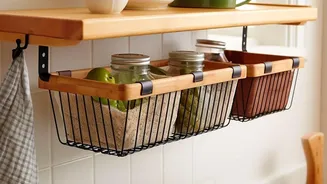
Next, turn your attention to the pantry and cupboards, where half-eaten bags of chips, crackers, pasta, and grains often create clutter. This is the time to consolidate. Combine duplicate open packages of the same item. Transfer items from flimsy bags into airtight containers or seal them securely with clips. This not only looks tidier but also keeps food fresher for longer and prevents pests. Arrange items so that older products are at the front to be used first. This 'first-in, first-out' system is a cornerstone of an efficient kitchen and a powerful tool against waste.
The Surface Sweep: A Functional Clean
A full deep clean isn't necessary for a weekly reset. The goal is to restore a sense of order and hygiene to the most-used areas. Start by clearing your countertops of everything that doesn't belong. Wipe down the counters, stovetop, and the front of your main appliances like the refrigerator and microwave. Give the kitchen sink a good scrub with a grease-cutting cleaner; a clean sink makes the entire kitchen feel fresher. Finally, change out your dish towels and sponges to prevent the spread of bacteria. This quick cleaning routine tackles the high-traffic spots that accumulate the most grime throughout the week.
Reset for the Week: Restock and Prep
With a clean and organized space, the final step is to prepare for the week to come. Based on your fridge and pantry audit, update your grocery list with what you truly need, preventing over-buying. If you have fresh produce, consider washing and chopping some of it now to make meal prep easier during the busy week. Take a moment to think through a couple of meals you plan to make, ensuring you have the key ingredients. This small amount of planning can drastically reduce weeknight stress, save you money on impulse takeout orders, and ensure the food you just bought gets used and enjoyed.