




The Backlash Against Boutique Wellness
For years, the colourful, fruit-packed smoothie has been a symbol of modern wellness culture. Promoted by influencers and sold in boutique cafes for upwards of several hundred rupees, it represents a quick, nutrient-dense fix. But for many, particularly
the financially savvy Gen Z, the cost of this daily ritual is becoming hard to swallow. This generation, facing economic pressures and a desire for authenticity, is increasingly questioning the high price tag of commercialised health. They are seeking wellness solutions that are not only effective but also sustainable, affordable, and transparent, leading them away from branded products and towards DIY traditions.
What is Fermented Rice Water?
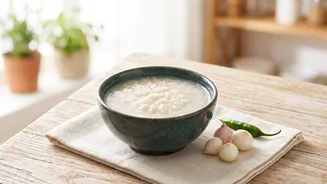
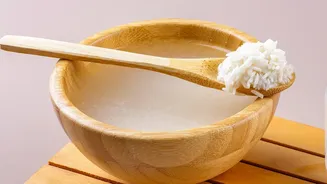
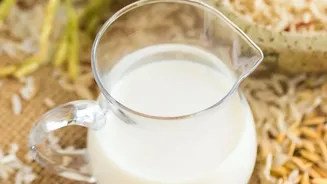
Fermented rice water is not the cloudy liquid from rinsing uncooked rice. It's a traditional probiotic drink made by soaking cooked or raw rice in water and allowing it to ferment, typically overnight or for up to 48 hours. This age-old practice has deep roots across Asia, including India, where it is known by various names like Kanji, Neeraagaaram, or Pazhaya Sadam. The fermentation process cultivates beneficial bacteria, turning simple rice water into a beverage packed with probiotics, vitamins, and antioxidants. Different from the often pungent rice water used for hair, the consumable version is a light, slightly tangy drink valued for its health properties for generations.
A Boost for Gut Health and Immunity
The primary appeal of fermented rice water lies in its gut-friendly properties. The fermentation process creates a natural probiotic, introducing live bacteria that can help balance the gut microbiome. A healthy gut is linked to improved digestion, reduced inflammation, and better nutrient absorption. This traditional drink is also a source of antioxidants and may help strengthen the immune system. In a world where gut health is increasingly seen as the foundation of overall wellness, this simple, homemade tonic offers a direct and natural way to support it, without the added sugars and preservatives found in many commercial drinks.
From Ancient Kitchens to TikTok Feeds
The revival of fermented rice water is being fueled by social media platforms like TikTok, where wellness trends spread rapidly. Videos showcasing how to make and use the drink have garnered millions of views, positioning it as a health 'hack'. While it has been trending for its hair benefits for a while, its internal benefits are now gaining traction. For a generation that values authenticity and peer-to-peer recommendations, seeing real people share their experiences with this ancient practice is more compelling than a slick marketing campaign. It’s a trend that taps into a broader movement of rediscovering and celebrating traditional wisdom in a modern context.
The Allure of Simplicity and Cost
Compared to a daily smoothie habit, which can easily cost thousands of rupees a month, fermented rice water is remarkably economical. It requires only two basic ingredients: rice and water. This makes it an incredibly accessible wellness practice for students and young adults on a budget. Furthermore, the process is simple, requiring no special equipment—just a jar and some patience. This return to simplicity is a powerful counter-narrative to the often complicated and expensive world of wellness products. It empowers individuals to take control of their health using basic, wholesome ingredients from their own pantry.
How to Prepare Your Own
Making your own fermented rice water is straightforward. Start by rinsing half a cup of rice. Then, soak the rice in about two to three cups of filtered water in a clay pot or glass jar. Cover it and let it sit at room temperature for 12 to 48 hours. The duration depends on your room's temperature; a warmer environment will speed up fermentation. You’ll know it’s ready when it develops a slightly sour, tangy aroma. Strain the liquid and store it in the refrigerator. It can be consumed plain or with a pinch of salt. Some traditional Indian preparations, known as Kanjika or Neeraagaaram, involve tempering with mustard seeds or adding curd and chopped onions for flavour.