





The Problem with Prolonged Sitting
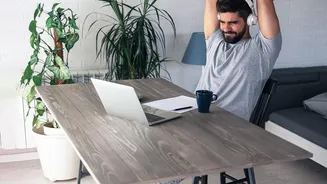
For many, sitting for eight hours a day is an unavoidable reality of professional life. While it may seem harmless, this prolonged state of inactivity places our bodies in an unnatural position that can lead to significant issues over time. When you sit,
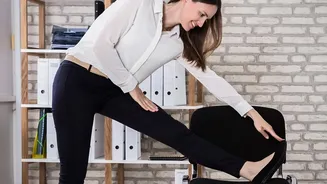
your hip flexors shorten, your glute muscles weaken, and your posture often suffers, placing extra strain on your lower back and neck. This creates muscle imbalances that contribute to chronic tension and discomfort. Furthermore, sitting for long stretches reduces blood flow, especially to your legs, which can cause stiffness and slow the delivery of vital nutrients and oxygen to your muscles and tissues. Over time, what starts as minor stiffness can evolve into reduced mobility, making even simple movements feel like a chore.
How Sitting Impacts Your Joints
Beyond muscle tightness, extended sitting directly affects the health of your joints, particularly weight-bearing ones like the hips and knees. Our joints are designed for movement. They are lubricated by a substance called synovial fluid, which acts like engine oil to reduce friction between the bones and cartilage. This fluid also delivers essential nutrients to the cartilage, which has no direct blood supply. When you stay still for too long, the circulation of this vital fluid slows down. Think of it like a sponge; movement squeezes the 'old' fluid out of the cartilage and allows it to soak up fresh fluid when the pressure is released. Without regular movement, joints become less lubricated, leading to stiffness, discomfort, and potentially accelerated cartilage breakdown.
Walking: A Simple, Powerful Solution
This is where the simple act of walking comes in. Taking short, regular walking breaks is one of the most effective ways to counteract the negative effects of a sedentary day. Walking is a low-impact activity that gets your joints moving through their natural range of motion. This movement stimulates the production and circulation of synovial fluid, which helps keep the joints lubricated and nourished. It also increases blood flow to the muscles and cartilage, delivering the oxygen and nutrients needed for repair and maintenance. By getting up and walking, you are actively decompressing your joints, strengthening the supporting muscles around your knees and hips, and re-engaging muscles that become dormant while sitting, like your glutes. This helps restore balance and reduce the strain on your spine and hip flexors.
Making Walking Breaks a Habit
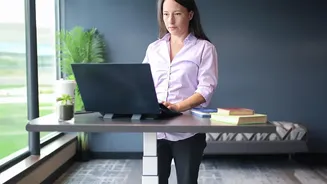
The key to success is consistency, not intensity. The goal is to break up long periods of sitting. Research and health guidelines suggest taking a short break to move every 30 to 60 minutes. One study from Columbia University found that just five minutes of light walking every half hour was highly effective at lowering blood pressure and blood sugar. Another practical approach is the '20-8-2 rule': sit for 20 minutes, stand for eight, and move for two. You could also try the Pomodoro Technique—working for 25 minutes and then taking a five minute break to walk. Don't overthink it; the best strategy is the one you can stick with. Set a timer on your phone or computer as a reminder to get up, take a lap around your office or home, grab a glass of water, or walk up a flight of stairs.
Beyond the Joints: More Reasons to Stroll
The benefits of these 'movement snacks' extend beyond joint health. Regular walking breaks are proven to boost mood and reduce feelings of fatigue. Increased blood flow to the brain can sharpen your focus, enhance creativity, and improve your productivity when you return to your desk. Taking a break from your screen also helps reduce digital eye strain and can alleviate the mental fatigue that often sets in during the afternoon. Far from being a distraction, these short walks are an investment in both your physical well being and your work performance, helping you feel more energised and alert throughout the day.