






A Shift Towards Experiential Spending
While traditional festive purchases like apparel, footwear, and jewellery remain popular, a growing number of Indians are prioritising experiences over products. Instead of focusing solely on new clothes or home goods, many are now earmarking a substantial
portion of their festive funds for travel. This trend reflects a broader cultural shift towards making memories with loved ones, whether it's a family vacation to a new city or a trip back to one's hometown. Articles are already highlighting getaways for the Diwali 2026 holidays, with destinations ranging from domestic scenic spots to nearby international locations like Sri Lanka, Vietnam, and Thailand.
The Soaring Cost of Festive Travel
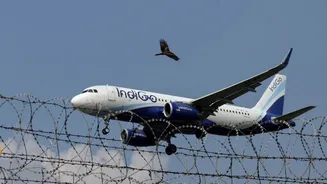
This growing desire to travel during the festive season is colliding with a harsh reality: skyrocketing prices. Airfares on popular domestic routes are seeing sharp increases, in some cases more than doubling. For example, a Delhi-Bengaluru return trip that cost around ₹13,000 two years ago can now exceed ₹20,000 around Diwali. Flights to Kolkata for Durga Puja and to Patna for Chhath Puja are also seeing massive price hikes. This surge is driven by the classic principle of supply and demand; as more people look to travel during the same narrow window, airlines and railways increase their fares to manage the rush. Experts advise booking travel well in advance—ideally 60 to 90 days before your planned departure—to avoid the worst of these price spikes.
Understanding the New Festive Spender
Recent consumer surveys paint a complex picture of the 2026 festive spender. While some reports indicate that fewer Indians overall plan to increase their festive budgets compared to last year, the number of high-ticket consumers—those willing to spend ₹50,000 or more—is on the rise. According to one report, 77% of consumers have increased their festive shopping budgets, with three in five planning to spend over ₹10,000. This suggests a polarisation in spending habits. We're also seeing a trend of last-minute shopping, with a significant percentage of consumers making their purchases within a month, or even just a week, before the festivals begin.
How to Plan Your Refreshed Budget
Navigating this new festive landscape requires a proactive approach to budgeting. Start by having an open conversation with your family about priorities. Is a big trip the main goal this year, or is it more important to focus on local celebrations, gifts, and home festivities? Once you have a clear goal, you can allocate funds accordingly. Use a spreadsheet or a budgeting app to track your projected expenses, from travel tickets and accommodation to gifts, food, and decorations. Creating a separate 'festive fund' and contributing to it for a few months leading up to the season can also ease the financial burden.
Smart Tips for Managing Costs
If travel is a priority, be strategic. Being flexible with your travel dates by even a day or two can lead to significant savings. Flying on the day of Diwali itself is often cheaper than travelling in the days immediately preceding it. Consider alternative airports if possible; flying into a nearby tier-2 city and completing the last leg of the journey by road can sometimes be more cost-effective. For other festive expenses, look for early-bird discounts and make a list to avoid impulse purchases. Remember that brand trust is becoming as important as discounts for many shoppers, so focus on value over just the lowest price. Finally, don't forget to budget for miscellaneous costs like travel insurance, local transport, and those inevitable extra treats that are all part of the festive cheer.