





The Rise of Rest-Focused Travel
Sleep tourism is a travel movement where the primary goal is not sightseeing, but sleeping. Instead of jamming days with activities, travelers are intentionally choosing destinations and accommodations designed to maximize rest and rejuvenation. This
trend has gained significant traction as a direct response to our increasingly fast-paced, burnout-prone culture. After years of prioritizing hustle, many people are realizing that quality rest is the ultimate luxury. According to a Hilton trends report, the number one reason people are traveling is to rest and recharge. Hotels and wellness retreats are responding with everything from pillow menus and blackout curtains to on-site sleep coaches and tech-free zones.
The Mountain Advantage for Sleep
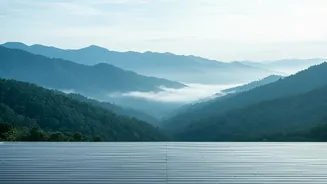
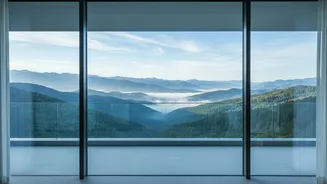
While you can find sleep-focused amenities anywhere, quiet “hill stations”—or, more commonly for U.S. travelers, mountain towns—offer a unique set of environmental factors that create a powerful formula for better rest. It’s not just about getting away; it’s about immersing yourself in an environment that is biologically conducive to sleep. These high-altitude destinations provide a natural escape from the noise, light, and stress of urban life, allowing the body’s internal clock to reset. The combination of crisp air, natural tranquility, and a slower pace of life makes these mountain retreats ideal settings for a true sleep-centric vacation.
The Science of a Silent Night
The single biggest advantage of a remote mountain setting is the profound quiet. Urban and suburban environments are filled with disruptive noises—traffic, sirens, neighbors—that can pull you out of deep, restorative sleep stages, even if you don't fully wake up. True silence allows your nervous system to relax completely. This is complemented by unparalleled darkness. Light is a primary regulator of our sleep-wake cycle, signaling the brain to produce melatonin when it gets dark. Hill stations, far from city light pollution, offer a level of darkness that enhances melatonin production, making it easier to fall and stay asleep. Studies show that creating a dark, quiet, and cool environment is one of the most effective ways to improve sleep quality.
Fresh Air and Altitude
The clean, crisp air found at higher elevations can also contribute to a better night's rest. Free from urban pollutants, fresh mountain air can improve respiratory function and increase oxygen levels in the body, promoting a sense of well-being and relaxation. The altitude itself can play a role, though it’s a complex one. While some people experience initial sleep disruption as their bodies adapt to lower oxygen levels, this adaptation process can lead to physiological changes, like increased red blood cell production, that may enhance sleep quality and overall vitality long-term. Once acclimated, many report sleep that feels deeper and more restorative.
Designing Your Own Sleep Getaway
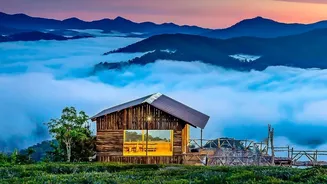
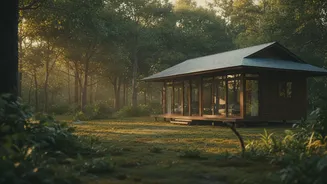
You don't need to book a formal, high-tech “sleep retreat” to reap the benefits. The core principles are simple and accessible. When planning a trip focused on rest, look for accommodations in quiet, natural settings away from city centers. Prioritize places that emphasize tranquility, such as mountain resorts or secluded cabins. Consider a digital detox by leaving laptops and work alerts behind. Engage in relaxing daytime activities like hiking or walking, which have been shown to improve sleep. The goal isn't just to sleep more, but to create the conditions for your body to do what it does best: rest and repair itself.