





A Rakhi That Truly Grows
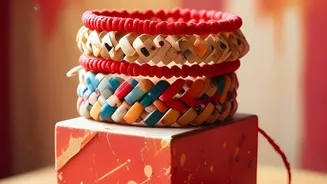
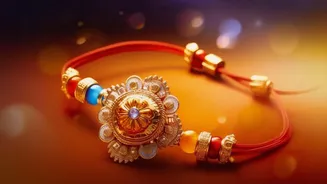
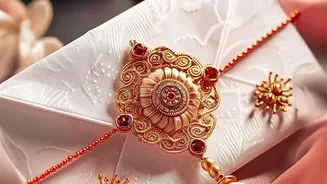
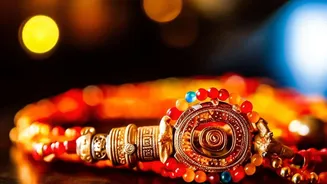
Imagine a rakhi that doesn’t end up in a landfill after the festivities. That’s the simple yet powerful idea behind plantable seed rakhis. These are not your typical decorative threads; they are handcrafted from biodegradable materials like cotton, jute,
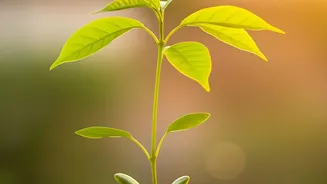
and even recycled paper pulp. Embedded within them are seeds of flowers like marigolds, or herbs like tulsi and basil. After the celebration, instead of being discarded, the rakhi can be planted in a pot of soil. With a little water and care, it sprouts into a living plant, transforming a single-day observance into a lasting symbol of a sibling's bond. This innovative twist on tradition neatly solves the problem of festive waste, where crores of non-biodegradable rakhis are disposed of annually.
The Rise of the Conscious Consumer
So, why the sudden shift? This trend is driven by India's Gen Z and millennial shoppers, who are increasingly making choices that reflect their values. For this generation, which has grown up with heightened awareness of climate change and plastic pollution, sustainability is not just a buzzword; it's a core principle. Studies show a significant portion of young Indian consumers are willing to pay more for eco-friendly products and actively support brands that demonstrate environmental responsibility. They are asking more questions: Where did this come from? Who made it? What is its impact on the planet? This conscious consumerism is redefining festive shopping, turning it into an expression of personal ethics.
More Than Just a Green Choice
While environmental concern is a major driver, the appeal of plantable rakhis goes deeper. It taps into a desire for authenticity and purpose-driven consumption. In a market saturated with mass-produced goods, a handmade, unique rakhi tells a story. Many of these eco-friendly rakhis are crafted by rural artisans and women's self-help groups across the country. Buying one is not just a sustainable choice, but also an act of supporting local communities and preserving traditional crafts. This narrative of social impact resonates strongly with young buyers who want their purchases to have a positive effect. The product becomes a statement of support for a more equitable and mindful economy.
A Symbol of an Evolving Tradition
The plantable rakhi offers a powerful new symbolism. Raksha Bandhan is about the promise of protection and a bond that endures. A rakhi that grows into a plant beautifully mirrors this sentiment—a relationship that needs nurturing to flourish. It transforms the ritual from a momentary gesture into a living, evolving memory. Instead of a thread that gets forgotten in a drawer, siblings have a plant they can watch grow, a constant, green reminder of their connection. This emotional resonance is a key factor in its growing popularity, offering a more profound way to celebrate a deeply personal festival. It connects the traditional with a forward-looking, hopeful vision for the future.
The Digital Push and Modern Aesthetics
Of course, we can't ignore the role of social media. The rustic, earthy aesthetic of plantable and handmade rakhis is perfectly suited for platforms like Instagram. They are visually appealing, tell a compelling story, and carry a cultural badge of honour. Influencers and sustainable lifestyle pages have played a significant role in showcasing these alternatives to a wider audience, moving them from a niche market into the mainstream. Brands have also leaned into this, offering beautifully designed and packaged rakhi sets that feel premium and special, often including complimentary roli-chawal in eco-friendly containers. This combination of meaningful storytelling and modern, shareable aesthetics makes it an easy and attractive choice for the digital-native generation.