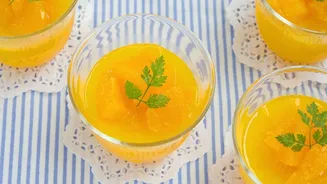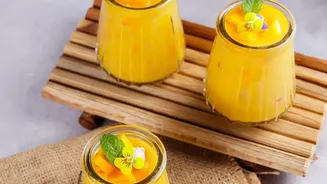


The Allure of Orange Custard
Orange custard strikes a perfect balance between the richness of a classic egg-based dessert and the vibrant, tangy notes of fresh citrus. It's a versatile dish that can be served warm or chilled, enjoyed on its own, or used as a luscious component in
more complex creations like trifles and tarts. The flavour is reminiscent of a creamsicle, making it a nostalgic favourite for many. This guide will walk you through creating a perfect, silky orange custard from scratch, offering a reliable recipe, essential tips, and inspiration for how to serve it.
A Classic Stovetop Orange Custard Recipe
This recipe yields a smooth, rich custard that can be prepared in under 30 minutes. The key ingredients are whole milk, eggs, sugar, and of course, fresh oranges for the best flavour. Ingredients: - 2 cups whole milk - 1/2 cup granulated sugar - 4 large egg yolks - 1/4 cup cornstarch (for thickening) - Zest of 1 large orange - 1/2 cup freshly squeezed orange juice - 1 tablespoon unsalted butter - 1 teaspoon vanilla extract Instructions: 1. In a medium saucepan, whisk together the sugar and cornstarch. Gradually whisk in the milk until the mixture is completely smooth. Heat over medium-low heat, stirring often, until it begins to steam, but do not let it boil. 2. In a separate bowl, beat the egg yolks. Very slowly, pour about a quarter-cup of the warm milk mixture into the egg yolks while whisking constantly. This process, called tempering, prevents the eggs from scrambling. 3. Pour the tempered egg mixture back into the saucepan with the rest of the milk. Continue to cook over medium-low heat, stirring constantly with a spatula or wooden spoon for 5-7 minutes, until the custard thickens enough to coat the back of the spoon. 4. Remove the saucepan from the heat. Immediately stir in the fresh orange juice, orange zest, butter, and vanilla extract until the butter is melted and everything is smooth. 5. Pour the custard into serving dishes or a larger bowl. To prevent a skin from forming, press a piece of plastic wrap directly onto the surface of the custard. Chill in the refrigerator for at least 3-4 hours, or until fully set.
Tips for Perfectly Smooth Custard
Achieving a silky, lump-free custard is the ultimate goal. Lumps typically form when the egg proteins cook too quickly or the starch isn't properly dissolved. Here are a few expert tips to ensure success: - Temper with Patience: Adding the hot milk to the eggs too quickly is a common cause of scrambling. Pour slowly and whisk vigorously. - Low and Slow Heat: Cook the custard over gentle, medium-low heat. High heat will cause it to thicken too fast and potentially curdle or stick to the bottom of the pan. - Stir Constantly: Do not walk away from the stove. Continuous stirring ensures even cooking and prevents lumps from forming. - Strain if Necessary: For guaranteed smoothness, you can strain the custard through a fine-mesh sieve after cooking to remove any small bits of cooked egg or undissolved starch. - Use Fresh Ingredients: Freshly squeezed orange juice and zest provide a far superior flavour compared to bottled juice or extracts.
Creative Variations and Serving Suggestions
While classic orange custard is delicious on its own, it also serves as a fantastic base for other dessert ideas. Baked Orange Custard: For a firmer, richer dessert, try a baked version. Pour the prepared custard mixture into ramekins, place them in a water bath (a larger pan filled with hot water), and bake at a low temperature (around 160°C) until just set but still slightly wobbly in the centre. This method creates a dessert similar to crème caramel or flan. Flavour Pairings: Orange pairs beautifully with other flavours. Consider adding a splash of Grand Marnier or Cointreau for a deeper citrus note. Spices like cinnamon or cardamom also work well. For a decadent twist, serve the custard with a rich chocolate sauce. Serving Ideas: The possibilities are nearly endless. Serve the chilled custard topped with whipped cream and fresh berries. Layer it in a trifle with pound cake and fruit, or use it as a filling for tarts and pies. It is also a wonderful accompaniment to warm apple crumble or a simple slice of cake.