






The Problem with Artificial Scents
We've all been there. You spray a generic 'ocean breeze' or 'spring meadow' air freshener, and instead of feeling refreshed, you're met with an overwhelming, synthetic cloud. Many commercial home fragrances are packed with phthalates and volatile organic
compounds (VOCs) that can irritate the senses and contribute to indoor air pollution. The movement towards 'natural wellness' isn't just about what we put in our bodies, but also what we breathe in our personal spaces. Making the switch to natural scents is about curating an environment that feels clean, authentic, and genuinely calming, rather than just perfumed.
Meet Cedarwood: The Grounding Giant
If you’ve ever walked through a forest after it rains, you have a sense of cedarwood’s power. This classic, woody scent is derived from the wood of cedar trees and has been used for centuries for its aromatic properties. In aromatherapy, cedarwood is celebrated for its grounding and calming effects. Its warm, balsamic notes are believed to reduce stress and anxiety, promoting a sense of stability and security. It’s the perfect fragrance for a living room or study—spaces where you want to feel settled, focused, and at ease. The scent is subtle yet persistent, creating a solid foundation for a tranquil home atmosphere.
Discover Vetiver: The Oil of Tranquility
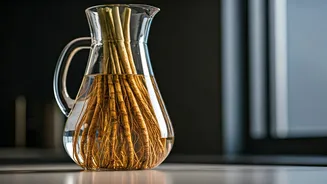
Vetiver is cedarwood’s earthy, complex cousin. Derived from the roots of a perennial grass native to India, vetiver is often called the 'oil of tranquility'. Its fragrance is deep, smoky, and slightly sweet—reminiscent of rich, damp earth. This complexity makes it a favourite in high-end perfumery, but its true strength lies in its restorative properties. Vetiver is renowned in wellness circles for its ability to soothe the mind and cool the body. It’s deeply relaxing without being sedative, making it ideal for a bedroom to help you unwind before sleep or in a bathroom to create a spa-like, restorative experience. If your mind is racing, the deep, grounding aroma of vetiver can help bring you back to the present moment.
Choosing Your Sticks: Incense vs. Diffusers
The term 'sticks' can refer to a couple of popular options, each offering a different experience.
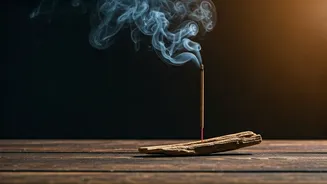
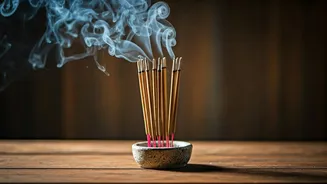
Incense Sticks: These are the traditional choice for a quick and potent release of fragrance. When lit, the burning incense creates a fragrant smoke that permeates a room. This ritual can be very meditative. Look for high-quality, hand-dipped incense made with pure essential oils to avoid the harshness of synthetic fillers. They are great for quickly clearing the energy of a space, but always use them in a well-ventilated area and never leave them unattended.
Reed Diffuser Sticks: For a flame-free, continuous scent, reed diffusers are an excellent option. Rattan or fibre sticks are placed in a bottle of essential oil blend, wicking the oil up and gently dispersing the fragrance into the air. This provides a more subtle, long-lasting aroma. They are perfect for entryways, bathrooms, or any space where you want a constant, welcoming scent without the worry of an open flame.
How to 'Scent-Scape' Your Home
Using fragrance effectively is about more than just lighting a stick. Think of it as 'scent-scaping'—curating a specific mood for each area of your home.
* For the Living Room or Office: Use a cedarwood diffuser to create a stable, focused, and welcoming atmosphere where you and your guests can feel grounded.
* For the Bedroom: Place a vetiver diffuser on your nightstand or burn a vetiver incense stick 30 minutes before bed to signal to your body and mind that it's time to unwind and rest.
* For the Entryway: A combination of both, or a subtle diffuser of either scent, can create an immediate sense of calm the moment you step through the door, leaving the stress of the outside world behind.
Start with one scent in one room and notice how it changes the feel of the space. You can then layer and expand your scent-scape as you become more familiar with what works for you.