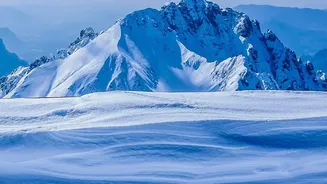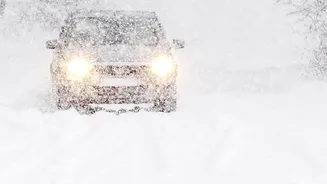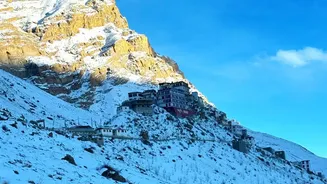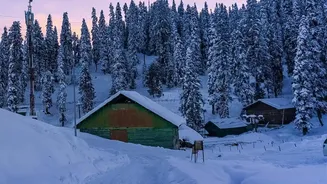

The call of the mountains is irresistible, promising breathtaking vistas and serene escapes. But the key to a truly memorable and safe mountain holiday lies in thorough preparation before you even step out of your home.
Dress in Layers for Changing Weather
Mountain weather is notoriously
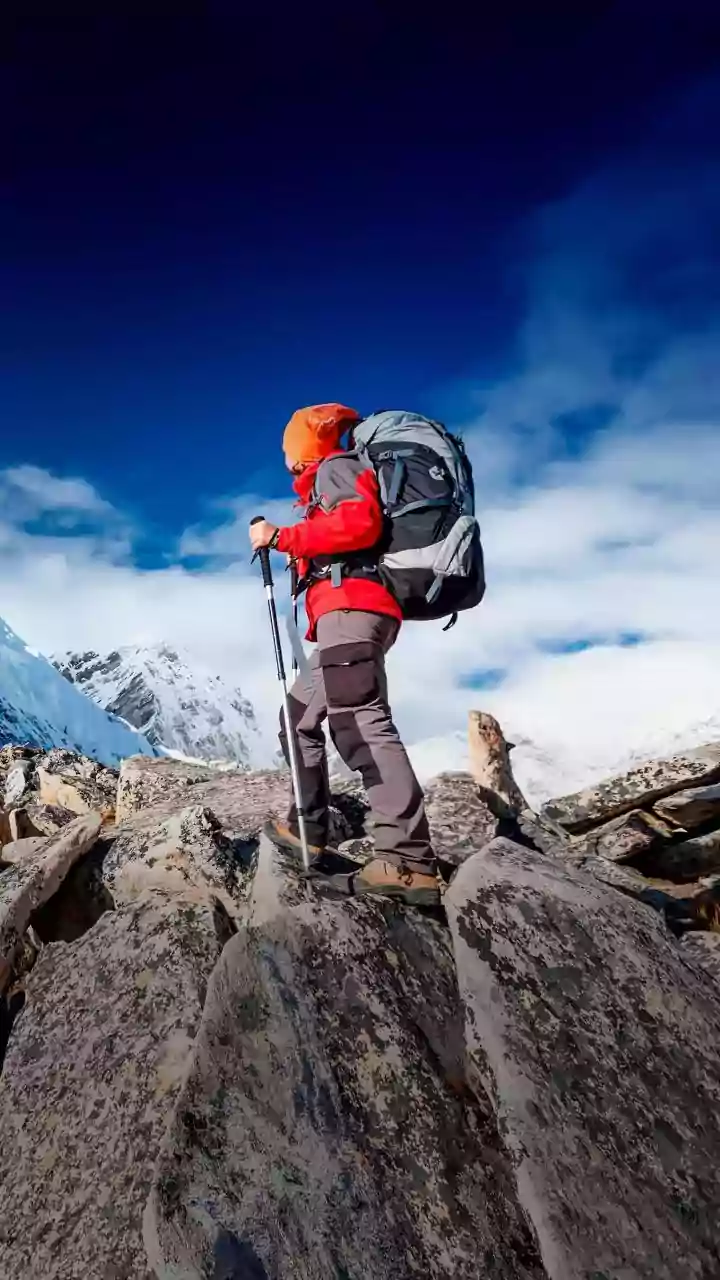
unpredictable. A sunny morning can quickly turn into a chilly, windy afternoon. The most effective way to stay comfortable is by dressing in layers. The 'onion' principle involves three main components. First, a base layer of moisture-wicking fabric like merino wool or synthetic material keeps sweat away from your skin, preventing you from getting cold. Second, an insulating middle layer, such as a fleece or a light down jacket, traps body heat to keep you warm. Finally, a waterproof and windproof outer shell protects you from rain, snow, and wind, ensuring you stay dry and comfortable. This system allows you to add or remove layers as your activity level and the weather change. Don’t forget accessories like a warm hat, gloves, and thick socks, as extremities are most susceptible to the cold.
Prioritise Health and Acclimatisation
High altitude can be a significant shock to the system. Acclimatisation is the process your body undergoes to adjust to lower oxygen levels, and it cannot be rushed. The golden rule is to ascend slowly. If you travel to an altitude above 10,000 feet, experts recommend increasing your sleeping altitude by no more than 1,000 to 1,600 feet per day. It's also wise to take a rest day for every 3,000 feet of elevation gained. The 'climb high, sleep low' strategy, where you hike to a higher altitude during the day and return to a lower elevation to sleep, is highly effective. Staying well-hydrated is crucial; start drinking extra water a few days before your trip. A high-carbohydrate diet can also help your body adjust. Avoid alcohol and tobacco, as they can hinder the acclimatisation process and worsen symptoms of altitude sickness.
Pack Smart and Essential Gear
Beyond clothing, several items are non-negotiable for a mountain trip. Sturdy, comfortable, and broken-in hiking boots with good grip are paramount to prevent slips and support your ankles. Carry a comfortable backpack to hold your essentials for the day, including a reusable water bottle, high-energy snacks like nuts and dried fruit, and any layers you shed. A basic first-aid kit with remedies for cuts, blisters, pain, and any personal medications is a must. Sun protection is vital at high altitudes where UV rays are stronger; pack sunglasses, broad-spectrum sunscreen, and lip balm. A headlamp or torch with extra batteries is essential, as you don't want to be caught in the dark. For navigation, even if you have a GPS, a physical map and compass are reliable backups.
Focus on Safety and Preparedness
Planning is the foundation of mountain safety. Always check the weather forecast right before you head out. Inform someone of your route and your expected return time. Hiking with a partner or in a group is always safer than going alone. Be aware of your physical limits and don't push yourself too hard, especially in the first few days at altitude. It's important to know the early signs of altitude sickness, which can include headache, nausea, and fatigue. If symptoms appear, do not ascend further until you feel better. If they worsen, the only cure is to descend. Finally, ensure you have all necessary permits, identification, and some cash, as digital payments may not always be available in remote areas.