







The Boom in the 'Pet Parent' Economy
India’s pet care market is undergoing a massive transformation. Valued at over ₹30,000 crore in 2024, the sector is projected to grow nearly sevenfold by 2032. This explosive growth is driven by the “pet parent” phenomenon, where pets are seen as integral
family members, not just animals. This emotional shift has fueled a desire to provide the best of everything, leading to a surge in demand for premium products. The market is now flooded with gourmet food, specialized grooming services, designer accessories, and even pet insurance. This trend is particularly strong in urban households, where rising disposable incomes and the humanization of pets are creating a multi-billion-dollar opportunity that brands are eager to capture.
The Seductive Power of Premium Marketing
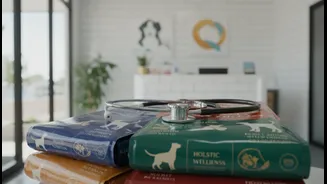
Pet product marketing has become incredibly sophisticated. Brands use powerful, emotionally resonant language, positioning their products as solutions for caring and responsible owners. Labels are filled with appealing terms like “holistic,” “natural,” “organic,” and “human-grade.” One of the most successful marketing narratives has been the “grain-free” trend, with searches for such products rising over 150% on some platforms in India. These terms tap into pet owners' own health aspirations, making them feel they are providing a superior, safer, and more loving choice for their animal companions. The campaigns often feature heartwarming stories and influencer partnerships, creating a powerful sense of community and trust around a brand, independent of scientific validation.
When Well-Intentioned Choices Have Risks
The problem arises when marketing claims are not backed by science, or when a one-size-fits-all product is applied to a specific pet's needs. The grain-free diet trend is a prime example. While marketed as a healthier, more 'natural' option, veterinary cardiologists and the U.S. FDA have investigated a potential link between these diets and a serious heart condition called dilated cardiomyopathy (DCM) in dogs. The irony is that true grain allergies in dogs are very rare; most food allergies are related to protein sources like chicken or beef. Similarly, using a heavily fragranced 'luxury' shampoo on a pet with sensitive skin, or giving a rich, gourmet treat to an animal with a delicate digestive system, can cause harm despite the owner's best intentions. Good marketing can easily lead a pet parent to make a choice that isn't right for their specific animal.
Your Vet: The Ultimate Personalized Guide
This is where a veterinarian's role becomes irreplaceable. A vet provides advice that is not based on marketing trends but on a deep understanding of animal physiology and your pet’s individual health profile. They can assess your pet's age, breed, activity level, and any existing health conditions to recommend a truly appropriate diet and care regimen. While a brand's goal is to sell a product to the masses, a vet's goal is the long-term health of their patient. They can differentiate between a marketing fad and a genuine nutritional requirement, helping you see past the hype. In an age of online information and endless product choices, your veterinarian is the most qualified and trustworthy 'influencer' you can have for your pet's well-being.