




What Exactly Is Community Evidence?
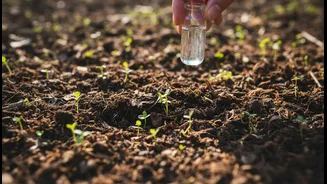
Community evidence isn't a single thing; it's a broad term for information gathered outside of formal scientific institutions. It includes everything from citizen science projects, where volunteers collect data, to the deep, multi-generational knowledge
of Indigenous peoples, often called Traditional Ecological Knowledge (TEK). Think of farmers noticing subtle shifts in monsoon patterns, fishing communities observing changes in water levels, or city dwellers using mobile apps to report air quality. In India, for instance, the SeasonWatch initiative uses schools and volunteers to track the seasonal phases of trees, corroborating anecdotal reports of changing seasons with crowdsourced data. This ground-level information provides a rich, textured understanding of environmental changes as they happen.
Filling the Gaps in Scientific Data
Scientific instruments are powerful but have limitations. They can't be everywhere at once, leaving geographical gaps in data, particularly in remote or hard-to-reach areas. Community evidence helps fill these voids. Volunteers can monitor local ecosystems, track wildlife migrations, or measure rainfall in their own backyards, creating a more detailed and widespread network of observation points than scientists could manage alone. This approach is especially valuable for understanding long-term trends. While modern climate records go back a century or so, the oral histories of Indigenous communities can provide an ecological baseline stretching back hundreds of years, offering invaluable context on changes to biodiversity, weather patterns, and ice conditions.
The Power of Traditional Knowledge
Traditional Ecological Knowledge is a holistic system of understanding the environment that has been accumulated over generations. It connects ecology with culture, spirituality, and survival. Indigenous communities have long used observations of everything from sky colour to animal behaviour to manage agriculture and predict weather. This knowledge was once dismissed as anecdotal, but it is now increasingly recognised by international bodies as a legitimate and useful source for climate research. For example, when glaciers in Pakistan's Hunza Valley began melting at an alarming rate, Indigenous knowledge was crucial in developing a community-based monitoring and early warning system to protect local villages from flooding. This knowledge is not static; it's an adaptive system that has allowed communities to survive and thrive amidst environmental change for millennia.
Citizen Science in the Digital Age
Technology has supercharged the potential of community evidence. Smartphone apps like iNaturalist and eBird allow anyone to become a field researcher, logging observations of plants and animals that are then verified and used by scientists. This real-time data collection can track biodiversity shifts with incredible speed and scale. In India, a UNDP project uses a digital platform to combine satellite imagery with local data to identify air pollution hotspots. Artificial intelligence is also playing a role, helping to automate data cleaning and identify patterns in vast datasets collected by citizens, improving both the accuracy and predictive power of this community-sourced information.
Overcoming the Challenges of Integration
Despite its clear benefits, integrating community evidence with formal science isn't always straightforward. A major hurdle is the power imbalance that often exists between researchers and local communities. For collaboration to be effective, it requires mutual respect and a process where communities help determine what is monitored and how. Another challenge is standardising qualitative data—like oral histories—so it can be used in quantitative climate models. Building trust and ensuring that the knowledge shared by communities is used ethically and benefits them directly is paramount for these partnerships to succeed and provide lasting value.